
How to Improve the Punching Force of Cold Heading Punches
As a trusted supplier of Cold Heading Punches, I've witnessed firsthand the importance of punching force in the cold heading process. A strong punching force can significantly enhance productivity, improve the quality of the final product, and reduce production costs. In this blog post, I'll share some effective strategies to improve the punching force of Cold Heading Punches based on my years of experience in the industry.
1. Select the Right Material
The material of the Cold Heading Punch plays a crucial role in determining its punching force. High - quality materials with excellent hardness, toughness, and wear resistance are essential. For example, carbide is a popular choice for Cold Heading Punches. Carbide has high hardness, which allows it to withstand high - pressure punching operations without significant deformation. It also has good wear resistance, ensuring a longer service life for the punch.
When selecting carbide, pay attention to its grain size and binder content. Fine - grained carbide generally offers better wear resistance and edge retention, which can contribute to a more consistent punching force. The binder content affects the toughness of the carbide. A proper balance between hardness and toughness is necessary to optimize the punching performance. You can find more information about Carbide Cold Heading Dies on our website, which are also made of high - quality carbide materials and can work in harmony with Cold Heading Punches.
2. Optimize the Punch Design
The design of the Cold Heading Punch has a direct impact on its punching force. Here are some key design aspects to consider:
- Punch Tip Geometry: The shape of the punch tip affects the distribution of force during punching. A well - designed punch tip can concentrate the force effectively, reducing the energy required for punching. For example, a pointed punch tip can penetrate the workpiece more easily, increasing the initial punching force. However, it also needs to be balanced with the need to avoid premature wear or breakage of the tip.
- Punch Diameter and Length: The diameter and length of the punch should be carefully selected according to the size and shape of the workpiece. A punch with an appropriate diameter can provide sufficient contact area with the workpiece, ensuring a more uniform force distribution. If the punch is too long, it may be prone to bending or buckling under high punching forces, reducing the punching efficiency.
3. Maintain the Punch Properly
Regular maintenance is essential to keep the Cold Heading Punch in good working condition and maintain its punching force.
- Cleaning: After each use, the punch should be cleaned thoroughly to remove any debris, chips, or lubricants. Accumulated debris can affect the surface finish of the punch and the accuracy of the punching operation. Use appropriate cleaning agents and tools to ensure a clean punch surface.
- Lubrication: Proper lubrication is crucial for reducing friction between the punch and the workpiece. It can lower the punching force required and extend the life of the punch. Choose a lubricant that is suitable for the cold heading process and apply it evenly on the punch surface.
- Inspection and Repair: Regularly inspect the punch for signs of wear, damage, or deformation. If any issues are detected, repair or replace the punch promptly. Minor wear can sometimes be corrected through grinding or re - sharpening, but severe damage may require a new punch.
4. Control the Operating Conditions
The operating conditions of the cold heading machine can also influence the punching force of the Cold Heading Punch.
- Machine Speed: The speed at which the cold heading machine operates affects the punching force. A too - high speed may cause excessive impact on the punch, leading to premature wear or breakage. On the other hand, a too - low speed may reduce the productivity. Find the optimal machine speed based on the material of the workpiece, the design of the punch, and the requirements of the punching operation.
- Workpiece Material and Temperature: Different workpiece materials have different mechanical properties, which can affect the punching force. Harder materials generally require higher punching forces. Additionally, the temperature of the workpiece can also play a role. Pre - heating the workpiece within a certain range can reduce its hardness and make the punching process easier, thus reducing the required punching force.
5. Upgrade the Cold Heading Machine
If possible, consider upgrading the cold heading machine to improve the punching force. A more advanced machine with higher power and better control systems can provide more stable and powerful punching operations.
- Power and Torque: Choose a cold heading machine with sufficient power and torque to meet the punching requirements. A machine with higher power can generate greater punching forces, allowing for more efficient processing of harder and thicker workpieces.
- Control Systems: Modern cold heading machines are equipped with advanced control systems that can precisely control the punching force, speed, and other parameters. These systems can optimize the punching process based on real - time feedback, ensuring consistent punching quality and force.
6. Use Complementary Tools
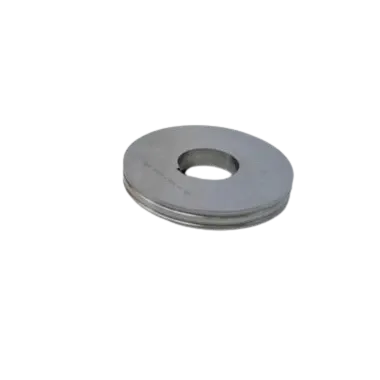
Complementary tools can also help improve the punching force of Cold Heading Punches. For example, Feed Roll can ensure a smooth and accurate feeding of the workpiece, which is essential for a consistent punching operation. A well - functioning feed roll can reduce the resistance during the feeding process, allowing the punch to focus more on the punching operation and improving the overall punching force.
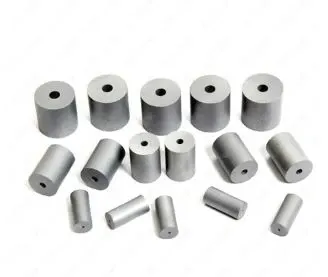
Cold Forming/forging Tools can also be used in combination with Cold Heading Punches to enhance the cold heading process. These tools can perform various pre - processing or post - processing operations, improving the overall quality and efficiency of the production.
In conclusion, improving the punching force of Cold Heading Punches requires a comprehensive approach that includes material selection, punch design, maintenance, operating condition control, machine upgrade, and the use of complementary tools. By implementing these strategies, you can achieve better punching performance, higher productivity, and improved product quality.
If you are interested in our Cold Heading Punches or have any questions about improving punching force, please feel free to contact us for procurement and further discussions. We are committed to providing you with the best solutions and high - quality products.
References
- Smith, J. (2018). Cold Heading Technology and Applications. Industrial Press.
- Johnson, R. (2020). Advanced Materials for Cold Heading Tools. Journal of Materials Science and Engineering, 15(2), 89 - 98.