
Hey there! As a supplier of conical rollers, I've seen firsthand the importance of these little guys in various industries. Conical rollers are used in all sorts of applications, from automotive transmissions to industrial machinery. But like any mechanical component, their performance can sometimes use a little boost. So, in this blog, I'm gonna share some tips on how to improve the performance of conical rollers.
1. Material Selection
The first step in getting top - notch performance from conical rollers is choosing the right material. Different materials have different properties, and these properties can greatly affect how well the rollers work.
High - quality steel is a popular choice for conical rollers. It's strong, durable, and can withstand high loads and pressures. For example, bearing steel like AISI 52100 is often used because it has excellent wear resistance and hardness. This means the rollers can last longer and maintain their shape under heavy use.
Ceramic materials are also becoming more common. They're lighter than steel, which can reduce the overall weight of the system. Plus, ceramics have high heat resistance and low friction coefficients. This results in less energy loss and less wear on the rollers. However, ceramics can be more brittle than steel, so they need to be handled with care.
2. Precision Manufacturing
You know what they say, "You're only as good as your tools." Well, in the case of conical rollers, you're only as good as your manufacturing process. Precision is key when it comes to making conical rollers.
The dimensions of the rollers need to be extremely accurate. Even a tiny deviation in diameter or taper angle can cause uneven wear and reduce performance. Modern manufacturing techniques, like CNC machining, allow for very precise control over the production process. This ensures that each roller meets the exact specifications required for optimal performance.
Surface finish is another important aspect of precision manufacturing. A smooth surface reduces friction between the roller and the raceway. This not only improves efficiency but also reduces the risk of premature wear. Polishing and grinding processes are commonly used to achieve the desired surface finish on conical rollers.
3. Lubrication
Lubrication is like the lifeblood of conical rollers. It reduces friction, dissipates heat, and prevents corrosion. Choosing the right lubricant and applying it correctly is crucial for good performance.
There are different types of lubricants available, such as mineral oils, synthetic oils, and greases. Mineral oils are cost - effective and work well in many applications. Synthetic oils, on the other hand, offer better performance in extreme conditions, like high temperatures or high speeds. Greases are a popular choice because they're easy to apply and can stay in place for longer periods.
The amount of lubricant also matters. Too little lubrication can lead to increased friction and wear, while too much can cause overheating and energy loss. It's important to follow the manufacturer's recommendations regarding lubricant quantity and re - lubrication intervals.
4. Proper Installation
No matter how great your conical rollers are, if they're not installed correctly, their performance will suffer. Installation should be done carefully and following the proper procedures.
First of all, the installation environment needs to be clean. Any dirt or debris can get into the bearing and cause damage to the rollers. Before installation, make sure all the components are clean and free of contaminants.
The rollers need to be installed with the correct pre - load. Pre - loading ensures that the rollers are in proper contact with the raceway and helps to prevent skidding. If the pre - load is too high, it can cause excessive stress on the rollers and lead to premature failure. If it's too low, the rollers may not perform as expected.
5. Regular Maintenance
You can't just install conical rollers and forget about them. Regular maintenance is essential to keep them performing at their best.
Inspections should be carried out regularly to check for signs of wear, damage, or misalignment. Visual inspections can reveal things like cracks or pitting on the rollers. More advanced inspection techniques, like vibration analysis or ultrasound testing, can detect problems that aren't visible to the naked eye.
If any issues are found during the inspection, they should be addressed immediately. This may involve replacing worn - out rollers, adjusting the pre - load, or cleaning and re - lubricating the bearings.
6. Design Optimization
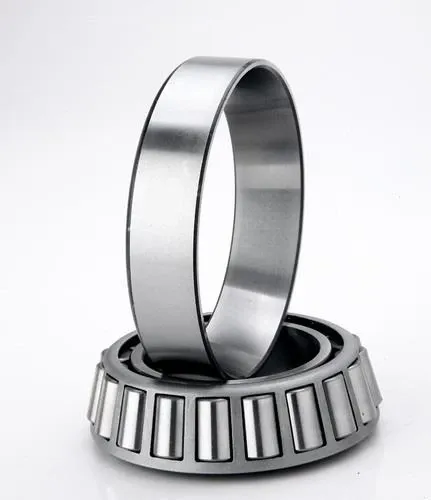
The design of the conical rollers themselves can also be optimized for better performance. For more information on taper roller design, you can check out Taper Roller Disign.
The shape and geometry of the rollers can have a big impact on their performance. For example, a well - designed taper angle can distribute the load more evenly across the roller surface. This reduces stress concentrations and improves the overall durability of the roller.
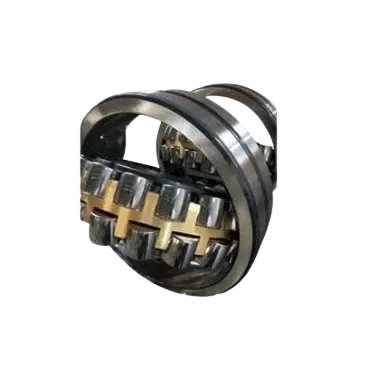
Some other types of rollers, like Spherical Roller and Needle Roller, have different design features that may offer certain advantages in specific applications. Understanding these different designs can help you choose the best option for your needs.
7. Environmental Considerations
The environment in which the conical rollers operate can also affect their performance. Factors like temperature, humidity, and the presence of contaminants need to be taken into account.
In high - temperature environments, the lubricant may break down more quickly, and the materials may expand. This can lead to increased friction and wear. Special high - temperature lubricants and heat - resistant materials may be required in such cases.
In humid or corrosive environments, the rollers are at risk of rust and corrosion. Using corrosion - resistant materials and proper sealing can help protect the rollers from these environmental factors.
Conclusion
Improving the performance of conical rollers is a multi - faceted process. It involves everything from choosing the right materials and manufacturing processes to proper installation, lubrication, and maintenance. By paying attention to these aspects, you can ensure that your conical rollers operate efficiently and last a long time.
If you're in the market for high - performance conical rollers, or if you have any questions about improving the performance of the rollers you already have, don't hesitate to reach out. We're here to help you find the best solutions for your specific needs. Let's have a chat and see how we can work together to get the most out of your conical rollers.
References
- Harris, T. A., & Kotzalas, M. N. (2007). Rolling Bearing Analysis. Wiley.
- Gupta, P. K. (2002). Ball and Roller Bearing Engineering. CRC Press.