
Hey there! As a supplier of Spherical Rollers, I've seen firsthand how important it is for these components to have good impact resistance. In this blog, I'll share some practical tips on how to improve the impact resistance of spherical rollers.
Understanding Spherical Rollers
First off, let's quickly talk about what spherical rollers are. A Spherical Roller is a type of rolling element that's shaped like a sphere segment. It's used in various applications, especially in bearings, where it needs to handle both radial and axial loads. These rollers are pretty awesome because they can self-align, which helps reduce stress on the bearing and the rollers themselves.
Why Impact Resistance Matters
Impact resistance is crucial for spherical rollers. In many industrial settings, rollers are exposed to sudden shocks and impacts. For example, in heavy machinery like mining equipment or construction vehicles, the rollers can take a beating from the rough terrain and heavy loads. If the rollers don't have good impact resistance, they can crack, chip, or even break. This not only leads to costly downtime but can also cause safety hazards.
Factors Affecting Impact Resistance
Before we dive into the ways to improve impact resistance, let's look at the factors that affect it.
Material Quality
The material used to make the spherical rollers plays a huge role. High - quality steel alloys are commonly used because they offer a good balance of strength, hardness, and toughness. For instance, some steels with specific alloying elements like chromium, nickel, and molybdenum can enhance the roller's ability to withstand impacts.
Heat Treatment
Heat treatment is another key factor. Proper heat treatment can change the microstructure of the material, making it more resistant to impacts. Processes like quenching and tempering can increase the hardness and toughness of the rollers. If the heat treatment is done incorrectly, the rollers may become too brittle or too soft, reducing their impact resistance.
Surface Finish
The surface finish of the spherical rollers also matters. A smooth surface can reduce stress concentrations. When a roller has a rough surface, there are tiny peaks and valleys that can act as stress raisers. Under impact, these areas are more likely to crack. So, a good surface finish helps distribute the impact load more evenly across the roller's surface.
Ways to Improve Impact Resistance
Selecting the Right Material
As I mentioned earlier, material quality is crucial. When choosing a material for spherical rollers, look for steels with high impact toughness. Some advanced materials, like case - hardened steels, can be a great option. These steels have a hard outer layer for wear resistance and a tough inner core for impact resistance. You can work with a materials expert to select the best material based on your specific application requirements.
Optimizing Heat Treatment
Getting the heat treatment right is essential. The quenching and tempering process should be carefully controlled. The quenching rate, for example, affects the hardness and microstructure of the roller. A too - fast quenching rate can lead to cracking, while a too - slow rate may not achieve the desired hardness. Tempering after quenching helps relieve internal stresses and improve toughness. You may need to conduct some tests and experiments to find the optimal heat treatment parameters for your spherical rollers.
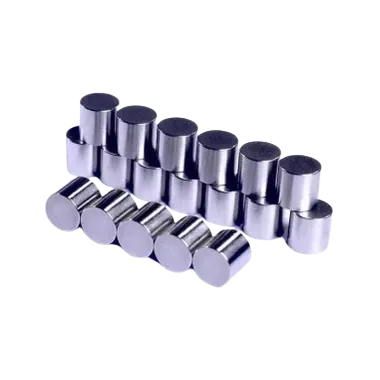

Improving Surface Finish
To improve the surface finish, you can use precision machining techniques. Grinding is a common method to achieve a smooth surface. After grinding, you can also use polishing processes to further enhance the surface quality. Additionally, applying a surface coating can provide an extra layer of protection. Some coatings can reduce friction and wear, which in turn can improve the roller's impact resistance.
Design Considerations
The design of the spherical rollers can also impact their impact resistance. A well - designed roller can distribute the load more evenly. For example, the Taper Roller Disign principles can sometimes be applied to spherical rollers. By optimizing the shape and dimensions of the roller, you can reduce stress concentrations and improve its ability to handle impacts.
Comparing with Conical Rollers
It's interesting to compare spherical rollers with Conical Rollers. Conical rollers are tapered, which allows them to handle different types of loads in a different way. While spherical rollers are great for self - alignment, conical rollers can be more effective in applications where there are high axial loads. However, when it comes to impact resistance, spherical rollers have their own advantages. Their spherical shape can distribute the impact load more evenly in multiple directions, which can be beneficial in some high - impact situations.
Testing and Quality Control
Once you've implemented these measures to improve impact resistance, it's important to have a proper testing and quality control system in place. You can use various testing methods, such as impact testing machines, to evaluate the impact resistance of the spherical rollers. By regularly testing samples from your production batches, you can ensure that the rollers meet the required standards.
Conclusion
Improving the impact resistance of spherical rollers is a multi - faceted process. It involves choosing the right material, optimizing heat treatment, improving surface finish, and considering design factors. By taking these steps, you can ensure that your spherical rollers are more durable and reliable, which is crucial for the smooth operation of your machinery.
If you're in the market for high - quality spherical rollers with excellent impact resistance, I'd love to have a chat with you. Whether you have specific requirements or just want to learn more about our products, don't hesitate to reach out. We're here to help you find the best solutions for your applications.
References
- "Handbook of Bearings: Design, Engineering, and Selection"
- "Materials Science and Engineering: An Introduction"
- Industry research papers on rolling element design and performance.