
Hey there! As a supplier of ball bearing balls, I've dealt with all sorts of questions from customers about evaluating the quality of these little round gems from different suppliers. Today, I'm gonna share some tips and tricks on how you can tell the good from the not - so - good.
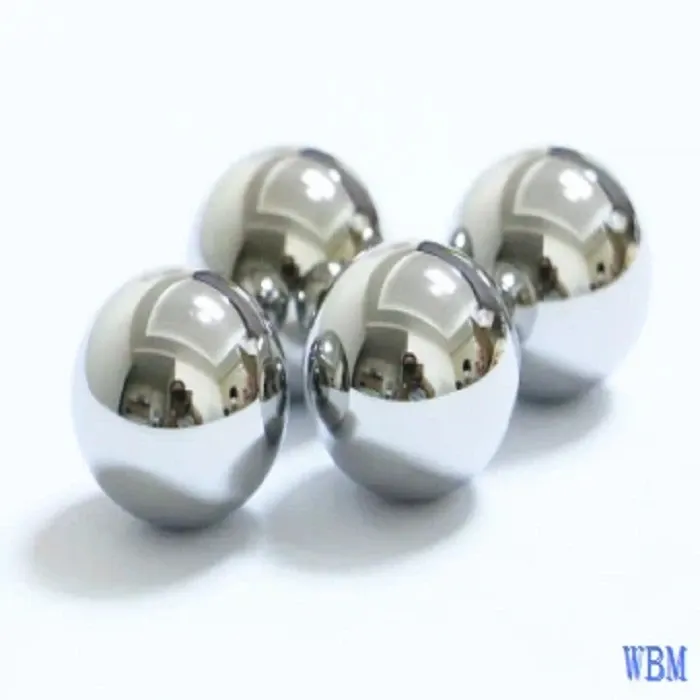
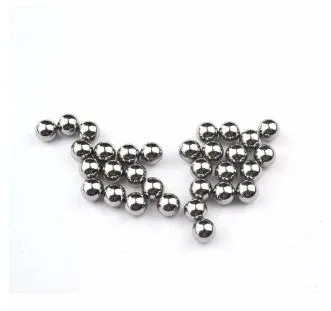
1. Material Quality
First off, the material of the ball bearing balls is super important. Different applications require different materials, and the quality of the material can vary a lot between suppliers.
Steel Balls
Steel is one of the most common materials for ball bearing balls. High - quality steel balls should be made from a well - controlled alloy. For instance, Inch Steel Ball is a popular choice in many industries. The carbon content, for example, can greatly affect the hardness and wear resistance of the ball. A good supplier will have strict control over the chemical composition of the steel. They'll make sure that there are no impurities like sulfur and phosphorus, which can weaken the steel and reduce its performance.
Chrome Steel Balls
Chorme Steel Ball is another great option. Chrome adds hardness and corrosion resistance to the steel. When evaluating chrome steel balls from different suppliers, look for a uniform distribution of chrome throughout the ball. A supplier with good quality control will ensure that the chrome layer is consistent, which helps in preventing premature wear and tear.
Metal Balls
If you're looking at Metal Ball, keep in mind that there are various types of metals used. The purity of the metal is crucial. For example, in some applications, a high - purity aluminum ball might be required. A reliable supplier will be able to provide certificates of material analysis, showing the exact composition of the metal.
2. Dimensional Accuracy
The size and shape of the ball bearing balls matter big time. Even a tiny deviation in diameter or roundness can cause problems in the bearing's performance.
Diameter Tolerance
A high - quality ball should have a very tight diameter tolerance. Most applications require balls to be within a few microns of the specified diameter. When comparing suppliers, ask for their diameter tolerance specifications. A good supplier will have strict manufacturing processes in place to ensure that the balls meet these tight tolerances. For example, in precision bearings used in aerospace applications, the diameter tolerance might be as low as ±0.002 mm.
Roundness
Roundness is also key. A perfectly round ball distributes the load evenly across the bearing, reducing friction and wear. Suppliers use advanced measuring equipment to check the roundness of their balls. You can ask suppliers about their roundness measurement methods and the maximum allowable deviation from a perfect sphere. A top - notch supplier will have a roundness tolerance of less than 0.1 microns for high - precision balls.
3. Surface Finish
The surface finish of the ball bearing balls can have a huge impact on the bearing's performance. A smooth surface reduces friction and noise, and it also helps in preventing the accumulation of dirt and debris.
Surface Roughness
A good supplier will strive for a very low surface roughness. The surface should be free of scratches, pits, and other defects. You can ask suppliers for their surface roughness specifications. In general, for high - performance bearings, the surface roughness should be in the range of 0.01 - 0.05 microns.
Surface Hardness
The surface hardness of the ball is related to its wear resistance. A harder surface can withstand more pressure and wear over time. Suppliers can use heat treatment processes to increase the surface hardness of the balls. When evaluating suppliers, ask about their heat treatment methods and the resulting surface hardness. A reliable supplier will be able to provide consistent surface hardness across all their balls.
4. Testing and Certification
Reputable suppliers will have a comprehensive testing and certification process in place.
Quality Control Tests
Look for suppliers who perform a variety of quality control tests. These can include hardness testing, material analysis, dimensional inspection, and surface finish measurement. A supplier that conducts these tests at multiple stages of the manufacturing process is more likely to produce high - quality balls.
Certifications
Certifications are a great way to gauge a supplier's quality. ISO 9001 certification, for example, indicates that the supplier has a quality management system in place. Other industry - specific certifications can also be a plus. Ask suppliers about their certifications and make sure they are up - to - date.
5. Supplier Reputation and Experience
Don't underestimate the importance of a supplier's reputation and experience in the industry.
Customer Reviews
Check online reviews and testimonials from other customers. A supplier with a lot of positive reviews is more likely to provide good - quality products and excellent customer service. You can also ask for references from the supplier and contact their existing customers directly to get first - hand information about their products and services.
Industry Experience
A supplier with many years of experience in manufacturing ball bearing balls is likely to have a better understanding of the industry and the requirements of different applications. They'll have refined their manufacturing processes over time, resulting in higher - quality products.
6. Cost - Quality Balance
While quality is important, cost is also a factor. You don't want to overpay for ball bearing balls, but you also don't want to sacrifice quality for a lower price.
Value for Money
When evaluating suppliers, look for the best value for money. Consider the quality of the balls, the supplier's reputation, and the price. Sometimes, a slightly higher - priced ball from a reliable supplier can be a better choice in the long run, as it will last longer and perform better.
Pricing Transparency
A good supplier will be transparent about their pricing. They'll break down the cost of the balls, including the material cost, manufacturing cost, and any additional charges. This way, you can make an informed decision about which supplier offers the best deal.
In conclusion, evaluating the quality of ball bearing balls from different suppliers requires a careful consideration of multiple factors. From material quality and dimensional accuracy to surface finish and supplier reputation, every aspect plays a role in determining the overall quality of the balls. If you're in the market for high - quality ball bearing balls, I'd love to have a chat with you. Whether you have questions about our products or want to discuss a specific application, feel free to reach out. We're here to help you find the perfect ball bearing balls for your needs.
References
- "Ball Bearing Handbook" - This comprehensive handbook provides in - depth information about ball bearing design, materials, and manufacturing processes.
- Industry standards such as ISO 3290 for rolling bearings - balls, which outline the requirements for the quality and performance of ball bearing balls.