
Hey there! As a supplier of Cold Heading Dies, I've seen firsthand how crucial it is to ensure the quality of these dies. In this blog, I'm gonna share some tips on how to guarantee the quality of cold heading dies through inspection.
First off, let's talk about why inspection is so important. Cold heading dies are used in the manufacturing process to shape metal parts. If the dies are of poor quality, it can lead to defective parts, production delays, and increased costs. By conducting thorough inspections, we can catch any issues early on and take corrective actions to ensure the dies meet the required standards.
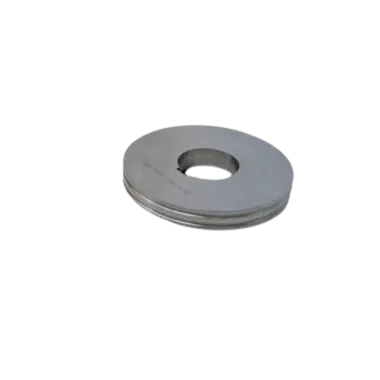

Visual Inspection
The first step in inspecting cold heading dies is a visual check. This is a simple yet effective way to spot any obvious defects. Look for cracks, chips, or any signs of wear and tear on the surface of the die. Pay close attention to the working surfaces, such as the cavity and the punch. Even a small crack can cause the die to fail prematurely, so it's important to be vigilant.
Also, check the alignment of the die components. Misaligned parts can lead to uneven pressure distribution during the cold heading process, resulting in poor-quality parts. Make sure all the components fit together properly and there are no gaps or misalignments.
Dimensional Inspection
Next up is dimensional inspection. Cold heading dies need to be precise to produce accurate parts. Use precision measuring tools like calipers, micrometers, and gauges to check the dimensions of the die. Compare the measured values with the design specifications. Any deviation from the required dimensions can affect the performance of the die and the quality of the finished parts.
For example, if the diameter of the cavity is too large or too small, it can cause the part to be undersized or oversized. Similarly, if the length of the punch is incorrect, it can lead to incomplete forming of the part. By ensuring that the dimensions are within the acceptable tolerance range, we can guarantee the quality of the cold heading dies.
Hardness Testing
Hardness is another important factor in the quality of cold heading dies. The die needs to be hard enough to withstand the high pressures and forces during the cold heading process. However, it also needs to have some degree of toughness to prevent cracking.
There are several methods for testing the hardness of the die, such as the Rockwell hardness test and the Brinell hardness test. These tests involve applying a specific load to the surface of the die and measuring the indentation left behind. By comparing the hardness values with the recommended range for the die material, we can determine if the die has the appropriate hardness.
Material Analysis
The quality of the material used to make the cold heading die is also crucial. Different materials have different properties, and choosing the right material can significantly affect the performance and lifespan of the die.
Material analysis can be done using techniques like spectroscopy or chemical analysis. These methods can identify the chemical composition of the material and determine if it meets the required specifications. For example, tungsten carbide is a popular material for cold heading dies due to its high hardness and wear resistance. By analyzing the material, we can ensure that the die is made of the right grade of tungsten carbide and that there are no impurities or defects in the material.
Performance Testing
In addition to the above inspections, it's also a good idea to conduct performance testing on the cold heading dies. This involves using the die in a real-world or simulated production environment to evaluate its performance.
During performance testing, monitor the quality of the parts produced by the die. Check for any signs of defects, such as cracks, burrs, or inconsistent dimensions. Also, pay attention to the die's durability and how well it withstands the repeated impacts and pressures during the cold heading process. If any issues are detected during performance testing, make the necessary adjustments or repairs to the die.
Using Advanced Inspection Technologies
With the advancement of technology, there are now many advanced inspection technologies available that can provide more accurate and detailed information about the quality of cold heading dies. For example, non-destructive testing methods like ultrasonic testing and X-ray inspection can detect internal defects in the die that may not be visible to the naked eye.
These advanced technologies can help us identify potential problems early on and take preventive measures to avoid die failure. By investing in these inspection technologies, we can improve the quality control process and ensure that our cold heading dies meet the highest standards.
Importance of Documentation
Throughout the inspection process, it's important to keep detailed documentation. This includes recording the inspection results, any corrective actions taken, and the date of the inspection. Documentation not only helps us track the quality of the dies over time but also provides valuable information for future reference.
In case of any disputes or quality issues, the documentation can serve as evidence to prove that the dies were inspected and met the required standards. It also helps in continuous improvement by allowing us to analyze the inspection data and identify any trends or areas for improvement.
Conclusion
Ensuring the quality of cold heading dies through inspection is a multi-step process that requires attention to detail and the use of appropriate inspection methods. By conducting visual inspections, dimensional checks, hardness testing, material analysis, and performance testing, we can identify and address any quality issues before they cause problems in the production process.
Using advanced inspection technologies and maintaining detailed documentation can further enhance the quality control process. As a Cold Heading Dies supplier, I'm committed to providing high-quality dies to my customers. If you're in the market for cold heading dies or have any questions about our products, feel free to reach out for a procurement discussion. I'm here to help you find the best solutions for your manufacturing needs.
References
- ASM Handbook Volume 16: Machining
- Tool and Manufacturing Engineers Handbook (TMEH)
- Metal Forming Handbook: Processes and Applications