
Ensuring dynamic balance in taper roller design is a critical aspect that directly impacts the performance, reliability, and longevity of various mechanical systems. As a Taper Roller Design supplier, we understand the significance of this balance and have developed comprehensive strategies to achieve it. In this blog post, we will delve into the key factors and methods to ensure dynamic balance in taper roller design.
Understanding the Concept of Dynamic Balance in Taper Roller Design
Dynamic balance refers to the state where the rotating components of a taper roller system operate smoothly without excessive vibration or noise. In a taper roller, dynamic balance is crucial because any imbalance can lead to uneven wear, increased friction, and ultimately, premature failure of the roller and the associated machinery. When a taper roller is in dynamic balance, the centrifugal forces generated during rotation are evenly distributed around the axis of rotation, minimizing the stress on the roller and its supporting structures.
Factors Affecting Dynamic Balance in Taper Roller Design
Material Uniformity
The quality and uniformity of the material used in taper roller manufacturing play a vital role in achieving dynamic balance. Variations in material density, hardness, or composition can cause uneven mass distribution, leading to imbalance. As a supplier, we source high - quality materials from trusted suppliers and conduct rigorous quality control checks to ensure material uniformity. For example, we use advanced testing techniques such as ultrasonic testing and X - ray analysis to detect any internal flaws or inhomogeneities in the raw materials.
Geometric Accuracy
Precise geometric dimensions are essential for dynamic balance in taper rollers. Any deviation from the design specifications, such as variations in diameter, length, or taper angle, can result in an imbalance. Our manufacturing process incorporates state - of - the - art machining equipment and precision measurement tools. Computer - Numerical - Control (CNC) machines are used to achieve high - precision machining, and coordinate measuring machines (CMMs) are employed to verify the geometric accuracy of each taper roller. This ensures that the rollers meet the strictest tolerance requirements.
Surface Finish
The surface finish of a taper roller also affects its dynamic balance. A rough surface can cause uneven contact with the raceways, leading to irregular forces during rotation. We use advanced grinding and polishing techniques to achieve a smooth surface finish on our taper rollers. This not only improves the dynamic balance but also reduces friction and wear, enhancing the overall performance of the roller.
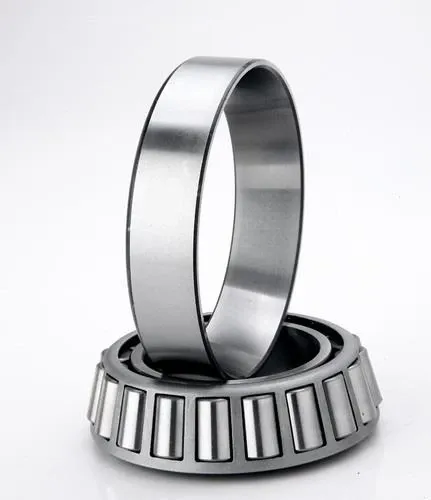
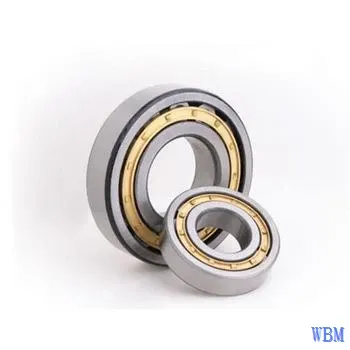
Methods to Ensure Dynamic Balance in Taper Roller Design
Balancing during Manufacturing
During the manufacturing process, we implement balancing techniques to correct any potential imbalances. One common method is the use of dynamic balancing machines. These machines measure the imbalance of the taper roller while it is rotating and identify the location and magnitude of the unbalanced mass. Based on these measurements, material can be removed from the appropriate areas of the roller to achieve balance. This process is highly precise and can significantly improve the dynamic performance of the taper roller.
Assembly Considerations
Proper assembly of the taper roller within the bearing or the mechanical system is crucial for maintaining dynamic balance. We provide detailed assembly instructions to our customers, emphasizing the importance of correct alignment and pre - loading. Incorrect assembly can introduce additional imbalances, even if the individual taper rollers are perfectly balanced. For example, misaligned rollers can cause uneven loading on the raceways, leading to premature failure.
Quality Control and Testing
Quality control is an ongoing process in our taper roller design and manufacturing. We conduct a series of tests on each batch of taper rollers to ensure their dynamic balance. In addition to the dynamic balancing machine tests, we also perform vibration tests and noise tests. Vibration tests measure the level of vibration generated by the rotating roller, while noise tests detect any abnormal noise that may indicate an imbalance or other issues. Only after passing these rigorous tests are our taper rollers approved for shipment.
Comparison with Other Types of Rollers
When considering taper roller design, it is also important to compare it with other types of rollers, such as Needle Roller and Cylindrical Roller. Needle rollers are typically used in applications where space is limited, but they may have different dynamic balance requirements due to their small size and high aspect ratio. Cylindrical rollers, on the other hand, are known for their high radial load - carrying capacity, but their dynamic balance characteristics may vary from those of taper rollers.
Taper rollers offer unique advantages in terms of their ability to handle both radial and axial loads simultaneously. However, achieving dynamic balance in taper roller design requires more complex considerations compared to other types of rollers. For example, the taper angle of the roller affects its contact pattern with the raceways, which in turn impacts the dynamic balance.
The Role of Taper Roller Design in Overall System Performance
The dynamic balance of taper rollers has a direct impact on the overall performance of the mechanical system in which they are used. In automotive applications, for example, well - balanced taper rollers in wheel bearings can improve vehicle handling, reduce vibration, and enhance fuel efficiency. In industrial machinery, such as conveyor systems and machine tools, balanced taper rollers can increase the reliability and productivity of the equipment.
As a Taper Roller Disign supplier, we are committed to providing our customers with high - quality taper rollers that ensure optimal dynamic balance. Our expertise in taper roller design and manufacturing, combined with our strict quality control measures, allows us to deliver products that meet the most demanding requirements.
Conclusion
Ensuring dynamic balance in taper roller design is a multi - faceted process that involves careful consideration of material, geometry, surface finish, and manufacturing techniques. By implementing strict quality control measures, using advanced balancing methods, and providing proper assembly guidance, we can achieve high - quality taper rollers with excellent dynamic balance.
If you are in need of high - performance taper rollers for your application, we invite you to contact us for a detailed discussion. Our team of experts is ready to assist you in selecting the right taper roller design and ensuring its seamless integration into your mechanical system.
References
- Harris, T. A., & Kotzalas, M. N. (2007). Rolling Bearing Analysis. John Wiley & Sons.
- Zaretsky, E. V. (2010). Ball and Roller Bearing Engineering. CRC Press.
- ISO 1940 - 1:2003, Mechanical vibration - Balance quality requirements for rotors in a constant (rigid) state - Part 1: Specification and verification of balance tolerances.