
Hey there! As a supplier of cylindrical rollers, I've seen firsthand how crucial it is to ensure the concentricity of these components during installation. Concentricity plays a huge role in the performance and lifespan of machinery that uses cylindrical rollers. In this blog, I'll share some tips and tricks on how to achieve that perfect concentricity.
First off, let's understand what concentricity means. Concentricity refers to the degree to which the axes of two or more cylindrical components align with each other. When cylindrical rollers are installed with high concentricity, they can rotate smoothly, reducing wear and tear, and improving the overall efficiency of the system.
Pre - installation Checks
Before you even start the installation process, there are a few things you need to do. First, inspect the cylindrical rollers themselves. Look for any visible damage, such as cracks, dents, or scratches. Even a small imperfection can affect concentricity. Check the dimensions of the rollers to make sure they meet the specifications. This includes the diameter, length, and roundness.
Next, examine the housing where the rollers will be installed. The housing should be clean and free of any debris or contaminants. Any dirt or particles can cause misalignment and affect concentricity. Measure the inner diameter of the housing to ensure it is within the correct tolerance range. If the housing is too large or too small, it can lead to problems during installation.
Using the Right Tools
Having the right tools is essential for ensuring concentricity. One of the most important tools is a precision measuring instrument, such as a dial indicator. A dial indicator can be used to measure the run - out of the rollers and the housing. Run - out is the deviation from perfect circular motion, and it can have a significant impact on concentricity.
Another useful tool is a press - fitting tool. When installing cylindrical rollers, it's often necessary to press them into the housing. A proper press - fitting tool ensures that the rollers are installed evenly and without causing any damage. Make sure to use the correct amount of force when pressing the rollers in. Too much force can cause the rollers to deform, while too little force may result in a loose fit.
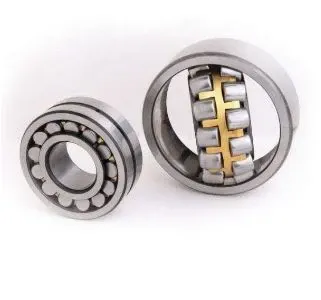
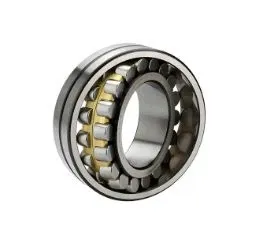
Installation Process
When installing the cylindrical rollers, start by applying a thin layer of lubricant to the rollers and the housing. This helps to reduce friction during installation and also protects the surfaces from damage. Carefully place the roller into the housing, making sure it is centered as much as possible.
Use the press - fitting tool to gradually press the roller into the housing. As you press, use the dial indicator to monitor the concentricity. If you notice any significant deviation, stop the process and make adjustments. You may need to re - position the roller or check for any obstructions in the housing.
It's also important to install the rollers in the correct orientation. Some cylindrical rollers have specific markings or features that indicate the proper direction of installation. Make sure to follow these instructions to ensure optimal performance.
Alignment with Other Components
Cylindrical rollers don't work in isolation. They are often part of a larger system that includes other components, such as shafts and bearings. It's crucial to ensure that all these components are properly aligned.
When installing the rollers in combination with a shaft, make sure the shaft is straight and has the correct diameter. Any misalignment between the shaft and the rollers can cause uneven loading and reduce concentricity. Use alignment tools, such as laser alignment systems, to ensure that the shaft and the rollers are perfectly aligned.
Common Mistakes to Avoid
One of the most common mistakes during installation is over - tightening the components. Over - tightening can cause the rollers to deform and affect concentricity. Make sure to follow the recommended torque specifications when tightening bolts or other fasteners.
Another mistake is not cleaning the components properly. As mentioned earlier, any debris or contaminants can cause misalignment. Take the time to thoroughly clean all the components before installation.
Comparison with Other Types of Rollers
It's interesting to compare cylindrical rollers with other types of rollers, such as Cross Roller, Needle Roller, and Spherical Roller.
Cross rollers are designed to handle high radial and axial loads. They have a unique cross - shaped design that allows them to provide excellent stability. However, their installation requires more precision in terms of alignment compared to cylindrical rollers.
Needle rollers are very thin and long, which makes them suitable for applications where space is limited. But they are more prone to damage during installation, and ensuring their concentricity can be a bit more challenging.
Spherical rollers can accommodate misalignment to some extent. They have a spherical outer surface that allows them to self - align. However, they still need to be installed with a certain degree of concentricity to work effectively.
Conclusion
Ensuring the concentricity of cylindrical rollers during installation is not an easy task, but it's definitely worth the effort. By following the steps outlined above, using the right tools, and avoiding common mistakes, you can achieve high - quality installation and improve the performance of your machinery.
If you're in the market for high - quality cylindrical rollers or have any questions about installation, feel free to reach out. We're here to help you with all your roller needs and ensure that you get the best results for your applications.
References
- "Rolling Bearing Handbook" by SKF
- "Mechanical Design and Manufacturing" textbooks
- Industry - specific technical papers on roller installation and alignment