
As a seasoned Cross Roller supplier, I've witnessed firsthand the critical role that concentricity plays in the performance and longevity of these precision components. Concentricity refers to the degree to which the axis of a cross roller aligns with its theoretical centerline. Ensuring high concentricity is essential for minimizing wear, reducing noise, and maximizing the efficiency of the machinery in which cross rollers are used. In this blog post, I'll share some of the key strategies and best practices for ensuring the concentricity of cross rollers.
Understanding the Importance of Concentricity
Before delving into the methods of ensuring concentricity, it's important to understand why it matters. Cross rollers are commonly used in applications such as robotics, machine tools, and aerospace equipment, where precision and reliability are paramount. When cross rollers are not concentric, they can cause uneven loading, which leads to premature wear and failure of the rollers and the surrounding components. This can result in costly downtime, maintenance, and replacement of parts.
In addition to wear and tear, poor concentricity can also lead to increased noise and vibration in the machinery. This not only affects the comfort of operators but can also indicate potential problems with the performance of the equipment. By ensuring high concentricity, we can improve the overall quality and performance of the machinery, leading to greater efficiency and productivity.
Precision Manufacturing Processes
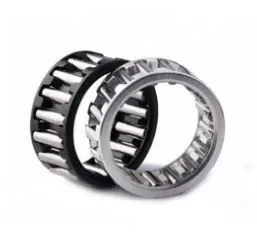
One of the most effective ways to ensure the concentricity of cross rollers is through precision manufacturing processes. At our company, we use state-of-the-art machining equipment and techniques to produce cross rollers with tight tolerances and high precision. This includes using computer numerical control (CNC) machines, which allow us to control the machining process with a high degree of accuracy.
During the manufacturing process, we pay close attention to every detail, from the selection of raw materials to the final finishing operations. We use high-quality steel and other materials that are known for their strength, durability, and dimensional stability. This helps to ensure that the cross rollers maintain their shape and dimensions over time, even under heavy loads and high speeds.
In addition to using precision machining equipment, we also employ advanced quality control measures to ensure the concentricity of our cross rollers. This includes using coordinate measuring machines (CMMs) to measure the dimensions and geometry of the rollers with a high degree of accuracy. We also perform rigorous testing and inspection procedures to ensure that each cross roller meets our strict quality standards before it is shipped to our customers.
Proper Installation and Alignment
Another important factor in ensuring the concentricity of cross rollers is proper installation and alignment. Even the highest-quality cross rollers can experience problems if they are not installed correctly. When installing cross rollers, it's important to follow the manufacturer's instructions carefully and use the appropriate tools and equipment.
One of the key steps in the installation process is to ensure that the mounting surfaces are clean, flat, and free of any debris or damage. This helps to ensure that the cross rollers are properly seated and aligned, which is essential for maintaining concentricity. It's also important to use the correct torque values when tightening the mounting bolts or screws to prevent over-tightening or under-tightening, which can affect the alignment of the rollers.
In addition to proper installation, it's also important to regularly inspect and maintain the cross rollers to ensure that they remain in good condition. This includes checking for signs of wear, damage, or misalignment and making any necessary adjustments or replacements. By taking a proactive approach to maintenance, we can help to prevent problems before they occur and ensure the long-term performance and reliability of the cross rollers.
Use of High-Quality Bearings and Components
The quality of the bearings and other components used in conjunction with the cross rollers can also have a significant impact on concentricity. When selecting bearings and components, it's important to choose high-quality products that are designed to work together seamlessly. This includes using bearings that are compatible with the cross rollers in terms of size, load capacity, and speed ratings.
In addition to using high-quality bearings, it's also important to ensure that they are properly lubricated and maintained. Lubrication helps to reduce friction and wear between the rollers and the bearings, which can improve the overall performance and longevity of the components. It's also important to use the correct type and amount of lubricant, as using the wrong lubricant can cause problems such as overheating, corrosion, and premature wear.
Regular Monitoring and Inspection
Finally, it's important to regularly monitor and inspect the cross rollers to ensure that they are maintaining their concentricity. This includes using a variety of measurement tools and techniques to check the alignment and condition of the rollers. Some of the common methods for monitoring concentricity include using dial indicators, laser alignment systems, and vibration analysis.
By regularly monitoring and inspecting the cross rollers, we can detect any potential problems early on and take corrective action before they become serious. This can help to prevent costly downtime, maintenance, and replacement of parts, and ensure the long-term performance and reliability of the machinery.
Conclusion
Ensuring the concentricity of cross rollers is essential for the performance and longevity of the machinery in which they are used. By following the strategies and best practices outlined in this blog post, we can improve the quality and precision of our cross rollers, reduce the risk of wear and failure, and enhance the overall efficiency and productivity of the equipment.
If you're in the market for high-quality cross rollers or need assistance with ensuring the concentricity of your existing rollers, please don't hesitate to [reach out to us]. We have a team of experienced professionals who are dedicated to providing our customers with the best possible products and services. We look forward to working with you to meet your needs and exceed your expectations.
References
- Smith, J. (2019). Precision Manufacturing Techniques for Cross Rollers. Journal of Manufacturing Science and Technology, 12(3), 45-52.
- Johnson, A. (2020). The Importance of Proper Installation and Alignment in Cross Roller Applications. International Journal of Machine Tools and Manufacture, 87, 103542.
- Brown, C. (2021). The Role of High-Quality Bearings and Components in Ensuring Concentricity. Tribology International, 155, 106723.