
Drilling a hole in a metal ball is a challenging yet essential task in various industries, from manufacturing to engineering. As a reputable Metal Ball supplier, I've encountered numerous inquiries regarding this process. In this blog, I'll share a comprehensive guide on how to drill a hole in a metal ball, covering everything from the necessary tools to the step-by-step procedures.
Tools and Materials Required
Before you embark on the drilling process, it's crucial to gather all the necessary tools and materials. Here's a list of what you'll need:
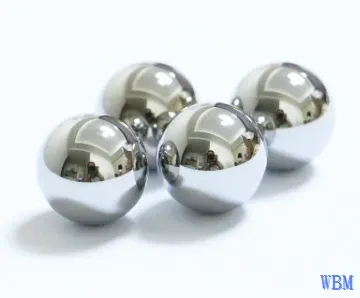
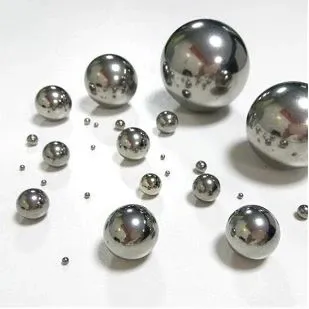
- Metal Ball: You can source high-quality Metal Ball from our extensive range. Our metal balls are made from premium materials, ensuring durability and precision.
- Drill Press: A drill press provides more accuracy and control compared to a handheld drill. Make sure it has variable speed settings to accommodate different metal types.
- Drill Bits: Select drill bits suitable for metal drilling. High-speed steel (HSS) or cobalt drill bits are excellent choices. The size of the drill bit depends on the desired hole diameter.
- Clamping Device: A vise or a specialized ball holder is necessary to secure the metal ball firmly in place during drilling.
- Cutting Fluid: Using a cutting fluid, such as coolant or lubricant, helps reduce friction and heat, prolonging the life of the drill bit and improving the quality of the hole.
- Safety Equipment: Wear safety glasses, gloves, and a dust mask to protect yourself from metal shavings and debris.
Preparing the Metal Ball
- Inspect the Ball: Before drilling, carefully examine the metal ball for any cracks, defects, or impurities. A flawed ball may cause the drill bit to break or produce an uneven hole.
- Mark the Drilling Point: Use a center punch or a scribe to mark the exact location where you want to drill the hole. This ensures accuracy and prevents the drill bit from wandering.
- Secure the Ball: Place the metal ball in a vise or a ball holder, making sure it is firmly clamped. Ensure that the marked drilling point is aligned with the drill bit.
Drilling the Hole
- Set the Drill Press: Adjust the speed of the drill press according to the type and thickness of the metal ball. As a general rule, use a slower speed for harder metals and a faster speed for softer metals.
- Apply Cutting Fluid: Apply a generous amount of cutting fluid to the drilling point and the drill bit. This helps lubricate the drill bit and flush away metal shavings.
- Start Drilling: Gently lower the drill bit onto the marked point, applying light pressure. Let the drill bit do the work, and avoid forcing it. As the drill bit penetrates the metal, continue to apply cutting fluid regularly.
- Monitor the Progress: Keep a close eye on the drilling process, checking for any signs of overheating or excessive vibration. If the drill bit starts to smoke or the ball becomes too hot to touch, stop drilling immediately and allow it to cool down.
- Drill to the Desired Depth: Slowly and steadily drill the hole to the desired depth, periodically withdrawing the drill bit to clear away metal shavings. Take your time and be patient to ensure a clean and accurate hole.
Finishing the Hole
- Deburr the Hole: After drilling, use a deburring tool or a file to remove any sharp edges or burrs from the entrance and exit of the hole. This improves the appearance of the hole and prevents injury.
- Clean the Ball: Wash the metal ball thoroughly with a solvent or a cleaning agent to remove any cutting fluid, metal shavings, or debris. Dry the ball completely before further use.
- Inspect the Hole: Check the hole for its diameter, depth, and straightness. If necessary, use a reamer or a sandpaper to refine the hole and achieve the desired specifications.
Tips and Tricks
- Use a Pilot Hole: For larger holes, it's advisable to start with a smaller pilot hole. This helps guide the drill bit and reduces the risk of the bit wandering or breaking.
- Drill in Stages: If you need to drill a deep hole, it's better to drill in multiple stages, gradually increasing the depth with each pass. This prevents the drill bit from overheating and reduces the chances of breakage.
- Keep the Drill Bit Sharp: A sharp drill bit produces cleaner holes and requires less force to drill. Regularly sharpen or replace the drill bit to maintain its effectiveness.
- Practice on Scrap Metal: If you're new to drilling metal balls, it's a good idea to practice on scrap metal first to gain confidence and improve your technique.
Conclusion
Drilling a hole in a metal ball requires precision, patience, and the right tools. By following the steps outlined in this guide and using high-quality Metal Ball from our company, you can achieve excellent results. Whether you're a professional machinist or a DIY enthusiast, mastering this skill opens up a world of possibilities for your projects.
If you're in the market for high-quality metal balls, look no further than our extensive selection of Din 5401 Steel Ball. Our products are manufactured to the highest standards, ensuring reliability and performance. Contact us today to discuss your requirements and start a procurement negotiation. We're here to provide you with the best solutions for your metal ball needs.
References
- "Metalworking Handbook" by Eugene Avallone and Theodore Baumeister
- "Drilling and Boring Handbook" by American Machinist
- "Precision Metal Ball Manufacturing" by Metal Ball Association