
Diagnosing problems with rolling elements is a crucial aspect of maintaining the efficiency and longevity of various mechanical systems. As a supplier of rolling elements, I understand the significance of accurate problem diagnosis to ensure optimal performance and minimize downtime. In this blog post, I will share some insights on how to diagnose problems with rolling elements effectively.
Understanding Rolling Elements
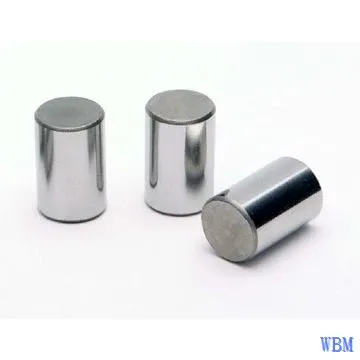
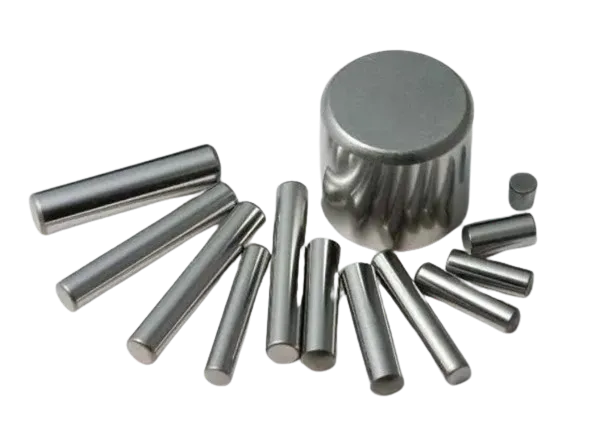
Before delving into problem diagnosis, it's essential to have a basic understanding of rolling elements. Rolling elements, such as balls, rollers, and needles, are components used in bearings to reduce friction between moving parts. They play a vital role in supporting loads, facilitating smooth rotation, and transmitting power in a wide range of applications, including industrial machinery, automotive systems, and wind turbines.
Common Problems with Rolling Elements
Several issues can affect the performance of rolling elements, including:
- Wear and Tear: Over time, rolling elements can experience wear due to friction, fatigue, and contamination. This can lead to reduced performance, increased noise, and eventual failure.
- Lubrication Issues: Inadequate or improper lubrication can cause excessive friction, heat generation, and premature wear of rolling elements. It can also lead to the formation of rust and corrosion, further compromising their integrity.
- Misalignment: Misalignment of the bearing or the shaft can cause uneven loading on the rolling elements, leading to premature wear and failure. It can also result in increased vibration and noise, which can affect the overall performance of the system.
- Contamination: The presence of dirt, dust, debris, or other contaminants in the bearing can cause abrasion, scoring, and pitting of the rolling elements. This can lead to reduced performance, increased friction, and premature failure.
- Overloading: Excessive loads on the rolling elements can cause deformation, cracking, and spalling. This can lead to sudden failure of the bearing and can have serious consequences for the entire system.
Diagnostic Techniques
To diagnose problems with rolling elements, several techniques can be employed, including:
- Visual Inspection: A visual inspection of the rolling elements can provide valuable information about their condition. Look for signs of wear, damage, corrosion, or contamination, such as scratches, pits, cracks, or discoloration. Pay attention to the surface finish, shape, and size of the rolling elements, as well as the condition of the raceways and cages.
- Vibration Analysis: Vibration analysis is a non-invasive technique used to detect and diagnose problems with rolling elements. By measuring the vibration levels and frequencies of the bearing, it is possible to identify the presence of abnormal vibrations, which can indicate the presence of a problem. Vibration analysis can also provide information about the location and severity of the problem, allowing for timely intervention.
- Temperature Monitoring: Monitoring the temperature of the bearing can provide valuable information about its operating condition. An increase in temperature can indicate the presence of excessive friction, which can be caused by a variety of factors, such as inadequate lubrication, misalignment, or overloading. Temperature monitoring can also help to detect the onset of a problem before it becomes severe, allowing for preventive maintenance.
- Lubricant Analysis: Analyzing the lubricant used in the bearing can provide valuable information about its condition. By examining the physical and chemical properties of the lubricant, such as viscosity, acidity, and contamination levels, it is possible to identify the presence of a problem, such as wear, corrosion, or contamination. Lubricant analysis can also help to determine the appropriate lubricant for the application and the optimal lubrication interval.
- Acoustic Emission Testing: Acoustic emission testing is a non-destructive technique used to detect and monitor the release of elastic waves from the bearing. By measuring the acoustic emissions generated by the bearing, it is possible to identify the presence of a problem, such as cracking, spalling, or fatigue. Acoustic emission testing can also provide information about the location and severity of the problem, allowing for timely intervention.
Case Studies
To illustrate the importance of accurate problem diagnosis, let's consider a few case studies:
- Case Study 1: Industrial Machinery A manufacturing plant was experiencing frequent breakdowns of a critical machine due to bearing failures. The maintenance team suspected that the problem was caused by inadequate lubrication, but after a thorough inspection, they discovered that the rolling elements were severely worn and damaged. By using vibration analysis and lubricant analysis, they were able to identify the root cause of the problem and replace the damaged rolling elements. After the replacement, the machine has been running smoothly, and the downtime has been significantly reduced.
- Case Study 2: Automotive System A car owner noticed a strange noise coming from the front wheels of their vehicle. The mechanic suspected that the problem was caused by a worn-out bearing and performed a visual inspection of the rolling elements. The inspection revealed that the rolling elements were severely worn and damaged, and the raceways were scored. By using vibration analysis and temperature monitoring, the mechanic was able to confirm the diagnosis and replace the damaged bearing. After the replacement, the noise disappeared, and the car has been running smoothly.
- Case Study 3: Wind Turbine A wind farm was experiencing a decrease in power output and an increase in vibration levels in one of its turbines. The maintenance team suspected that the problem was caused by a bearing failure and performed a visual inspection of the rolling elements. The inspection revealed that the rolling elements were severely worn and damaged, and the raceways were pitted. By using acoustic emission testing and lubricant analysis, the maintenance team was able to identify the root cause of the problem and replace the damaged bearing. After the replacement, the power output of the turbine increased, and the vibration levels decreased.
Conclusion
Diagnosing problems with rolling elements is a critical aspect of maintaining the efficiency and longevity of various mechanical systems. By understanding the common problems with rolling elements and employing the appropriate diagnostic techniques, it is possible to identify the root cause of the problem and take timely corrective action. As a supplier of rolling elements, I am committed to providing high-quality products and technical support to help my customers diagnose and solve problems with their rolling elements effectively.
If you are experiencing problems with your rolling elements or are interested in learning more about our products and services, please contact us for a consultation. We would be happy to help you find the right solution for your needs.
References
- Harris, T. A., & Kotzalas, M. N. (2007). Rolling Bearing Analysis (4th ed.). Wiley.
- Radzimovsky, R. L. (2003). Handbook of Rolling Bearing Technology (2nd ed.). CRC Press.
- Townsend, D. P. (2016). Dudley's Gear Handbook: Design, Manufacturing, and Applications (3rd ed.). CRC Press.