
Dealing with defective metric steel balls can be a real headache, but as a metric steel ball supplier, I've got some practical tips and strategies to share. In this blog, I'll walk you through the whole process, from identifying the issues to finding the best solutions.
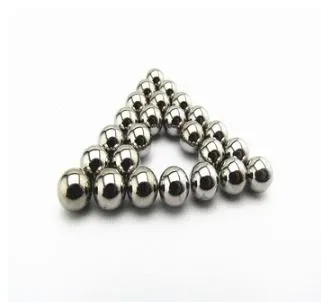
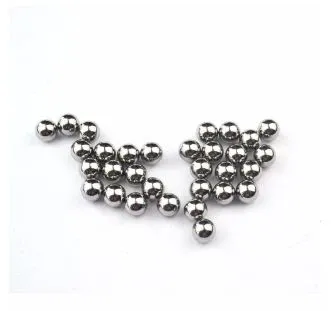
First things first, let's talk about how to spot defective metric steel balls. There are a few common problems you might encounter. One of the most obvious signs is surface defects. These can include cracks, pits, or scratches on the ball's surface. Cracks are a major red flag as they can weaken the ball and cause it to fail prematurely. Pits and scratches can also affect the ball's performance, especially in applications where smooth rolling is crucial.
Another issue to look out for is dimensional inaccuracies. Metric steel balls are supposed to meet specific size and tolerance requirements. If a ball is too big or too small, it won't fit properly in its intended application. This can lead to problems like uneven wear, increased friction, and reduced efficiency. You can use precision measuring tools like micrometers or calipers to check the dimensions of the balls and make sure they're within the acceptable range.
Material quality is also a key factor. Defective steel balls might be made from low - grade materials that don't have the right hardness, strength, or durability. For example, if the steel is too soft, the ball can deform under pressure, while if it's too hard, it might be brittle and prone to cracking. You can perform hardness tests using a hardness tester to get an idea of the material's quality.
Once you've identified the defective metric steel balls, the next step is to figure out what to do with them. One option is to try and rework the balls. For minor surface defects, you can use processes like grinding or polishing to remove the imperfections. This can sometimes restore the ball to an acceptable quality level. However, it's important to note that reworking might not be suitable for all types of defects. For example, if a ball has a deep crack, reworking won't fix the underlying structural problem.
If reworking isn't an option, you'll have to consider scrapping the defective balls. Recycling is a great way to deal with scrap steel balls. The steel can be melted down and reused to make new products. This not only helps to reduce waste but also has environmental benefits. Many recycling facilities are equipped to handle steel balls, and they'll pay you based on the weight and quality of the scrap.
Communication with your customers is crucial when dealing with defective metric steel balls. If you've supplied defective balls to a customer, you need to be upfront and honest with them. Apologize for the inconvenience and explain the steps you're taking to resolve the issue. Offer to replace the defective balls with new, high - quality ones as soon as possible. This can help to maintain a good relationship with your customers and show that you take quality seriously.
As a metric steel ball supplier, I understand the importance of quality control. To prevent defective balls from leaving our facility in the first place, we have a rigorous quality control process in place. We inspect every batch of steel balls at multiple stages of production. From the raw material inspection to the final product testing, we make sure that each ball meets our strict quality standards.
We also invest in the latest technology and equipment to improve the manufacturing process. For example, we use advanced grinding and polishing machines that can produce balls with extremely high precision. This reduces the likelihood of dimensional inaccuracies and surface defects.
In addition to our in - house quality control, we also work closely with our suppliers of raw materials. We carefully select our steel suppliers and conduct regular audits to ensure that they're providing us with high - quality materials. By having a reliable supply chain, we can minimize the risk of getting defective raw materials that could lead to defective steel balls.
Now, let's talk about the different types of metric steel balls we offer. We have Precision Steel Balls that are designed for applications where high precision is required. These balls are manufactured to very tight tolerances and have excellent surface finish, making them ideal for use in bearings, valves, and other precision machinery.
Our Solid Steel Balls are known for their strength and durability. They're made from solid steel and can withstand high loads and pressures. These balls are commonly used in heavy - duty applications such as construction equipment, mining machinery, and automotive parts.
We also offer Inch Steel Ball for customers who prefer the inch measurement system. These balls are available in a wide range of sizes and can be customized to meet specific requirements.
If you're in the market for high - quality metric steel balls, don't hesitate to get in touch with us. Whether you need a small quantity for a prototype or a large order for mass production, we can provide you with the right solution. Our team of experts is always ready to assist you with any questions you might have about our products or the manufacturing process. We're committed to providing you with the best possible service and ensuring that you're satisfied with your purchase.
In conclusion, dealing with defective metric steel balls requires a combination of careful inspection, appropriate reworking or recycling, and effective communication with customers. By implementing strict quality control measures and investing in the right technology, we can minimize the occurrence of defective balls and provide our customers with top - notch products. If you're interested in learning more about our metric steel balls or have any specific requirements, feel free to reach out to us for a purchase negotiation.
References
- "Steel Ball Manufacturing Handbook": A comprehensive guide on the manufacturing process of steel balls, including quality control and defect detection.
- "Materials Science for Engineers": A textbook that covers the properties and behavior of different materials used in steel ball manufacturing.