
Hey there! As a supplier of Taper Rollers, I've seen my fair share of issues with these little guys. One of the most common problems that customers come across is the misalignment of taper rollers. In this blog, I'm gonna share some tips on how to correct this misalignment and keep your machinery running smoothly.
Understanding Taper Rollers
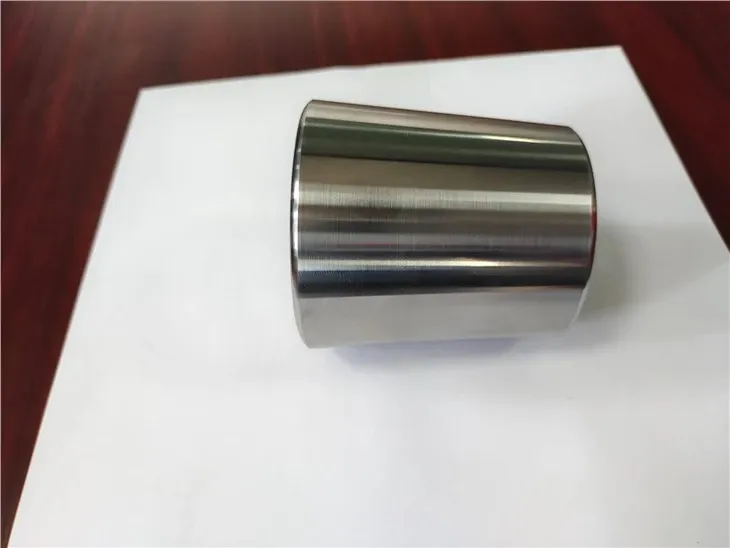
Before we dive into the correction methods, let's quickly understand what taper rollers are. Taper rollers are a type of rolling element that are shaped like a cone. They're used in a variety of applications, from automotive transmissions to industrial machinery. You can check out more about Taper Rollers on our website.
These rollers are designed to handle both radial and axial loads, making them super versatile. But, if they're not aligned properly, it can lead to a whole bunch of problems like increased wear and tear, reduced efficiency, and even premature failure of the machinery.
Causes of Taper Roller Misalignment
There are several reasons why taper rollers might get misaligned. Some of the common causes include:
- Improper Installation: If the rollers aren't installed correctly, they can easily end up misaligned. This could be due to incorrect positioning, improper tightening of the bearings, or using the wrong tools during installation.
- Wear and Tear: Over time, the components of the machinery can wear out. This can cause the rollers to shift out of place and become misaligned.
- External Forces: Things like vibrations, shocks, or uneven loads can also cause the rollers to move and become misaligned.
How to Correct Taper Roller Misalignment
Now that we know what causes misalignment, let's look at some ways to correct it.
Visual Inspection
The first step is to do a visual inspection of the taper rollers. Look for any signs of wear, damage, or misalignment. Check if the rollers are sitting properly in their races and if there are any visible gaps or unevenness.
Measure the Misalignment
Once you've done a visual inspection, you'll need to measure the misalignment. You can use tools like dial indicators or laser alignment tools to get an accurate measurement. These tools will help you determine the extent of the misalignment and where it's occurring.
Adjust the Mounting
If the misalignment is due to improper installation, you'll need to adjust the mounting of the rollers. This might involve loosening and retightening the bearings, or repositioning the rollers to ensure they're sitting correctly. Make sure to follow the manufacturer's instructions when making these adjustments.
Replace Worn Components
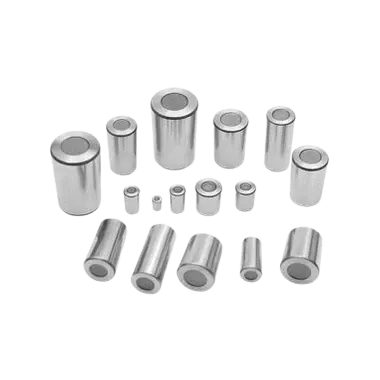
If the misalignment is caused by worn or damaged components, you'll need to replace them. This could include the rollers themselves, the races, or other parts of the bearing assembly. You can find high-quality replacement parts on our website, including our 2022 New product Taper Roller With Hole in The Center.
Balance the Load
Uneven loads can also cause misalignment. To correct this, you'll need to balance the load on the rollers. This might involve redistributing the weight or using additional support structures to ensure that the load is evenly distributed.
Use Alignment Tools
There are a variety of alignment tools available that can help you correct misalignment. These tools can range from simple shims to more advanced laser alignment systems. Using the right alignment tool can make the correction process much easier and more accurate.
Preventing Taper Roller Misalignment
Of course, the best way to deal with misalignment is to prevent it from happening in the first place. Here are some tips to help you prevent taper roller misalignment:
- Proper Installation: Make sure to follow the manufacturer's instructions when installing the taper rollers. Use the right tools and techniques to ensure that the rollers are installed correctly.
- Regular Maintenance: Regular maintenance is key to preventing misalignment. This includes checking the rollers for wear and tear, lubricating them regularly, and making any necessary adjustments.
- Monitor the Load: Keep an eye on the load that the rollers are承受ing. Make sure that the load is within the recommended limits and that it's evenly distributed.
- Use High-Quality Components: Using high-quality taper rollers and other components can help prevent misalignment. You can find a wide range of high-quality Taper Rollers on our website.
Comparing Taper Rollers with Other Types of Rollers
It's also worth comparing taper rollers with other types of rollers, like Cylindrical Roller. While both types of rollers are used in similar applications, they have some key differences.
Taper rollers are better at handling both radial and axial loads, while cylindrical rollers are mainly designed to handle radial loads. This makes taper rollers more versatile, but it also means that they require more precise alignment.
In terms of misalignment, cylindrical rollers are generally less prone to it than taper rollers. However, if misalignment does occur, it can still cause problems like increased wear and reduced efficiency.
Conclusion
Correcting the misalignment of taper rollers is an important part of maintaining your machinery. By following the tips in this blog, you can ensure that your taper rollers are properly aligned and that your machinery is running smoothly.
If you're in the market for high-quality taper rollers or need help with misalignment issues, don't hesitate to reach out. We're here to help you find the right solution for your needs. Whether you're looking for our 2022 New product Taper Roller With Hole in The Center or our standard Taper Rollers, we've got you covered.
So, if you have any questions or want to start a procurement discussion, feel free to get in touch. We look forward to working with you!
References
- Machinery's Handbook, 31st Edition
- Bearing Installation and Maintenance Guide