
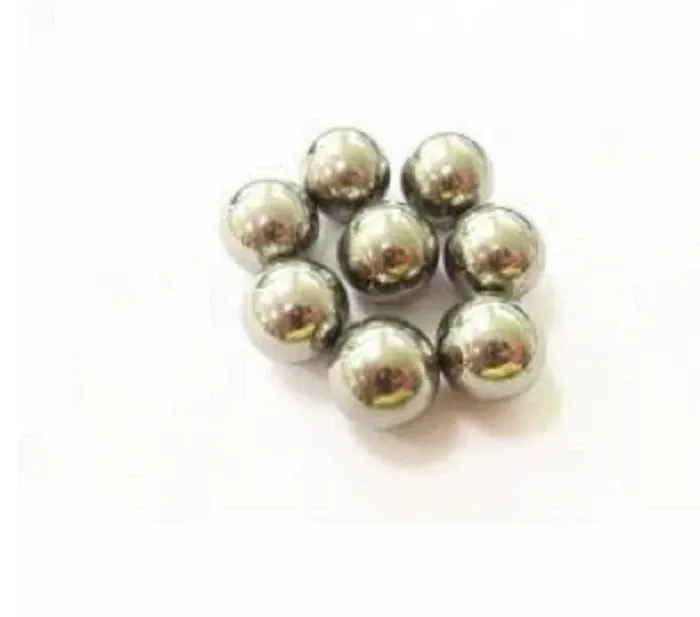
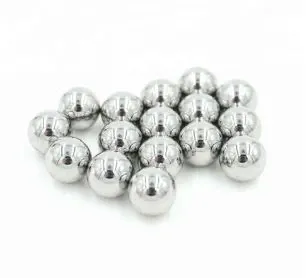
When dealing with solid steel balls, whether you're in the manufacturing, automotive, or any other industry that relies on these high - precision components, keeping them clean is of utmost importance. As a solid steel balls supplier, I understand firsthand the significance of proper cleaning methods to ensure the quality and performance of our products. In this blog, I'll share some effective ways to clean solid steel balls.
Why Cleaning Solid Steel Balls is Necessary
Before diving into the cleaning methods, let's understand why cleaning is so crucial. Solid steel balls are often used in high - precision applications such as ball bearings, valves, and measuring instruments. Any dirt, oil, or debris on the surface of the steel balls can lead to increased friction, wear and tear, and even premature failure of the equipment.
For example, in a ball bearing, if there is dirt between the balls and the raceway, it can cause uneven stress distribution, leading to noise, vibration, and reduced bearing life. In a valve, contaminants on the steel balls can prevent a proper seal, resulting in leakage and inefficiencies. Therefore, maintaining the cleanliness of solid steel balls is essential for the smooth operation and longevity of the equipment they are used in.
Pre - cleaning Inspection
Before starting the cleaning process, it's important to conduct a pre - cleaning inspection. This involves visually examining the steel balls for any signs of damage, corrosion, or heavy soiling. If there are any damaged balls, they should be removed from the batch as they are unlikely to be restored to a usable condition through cleaning.
You should also check the size and hardness of the balls to ensure they meet the required specifications. Any deviation in size or hardness can affect the performance of the final product. By performing this pre - cleaning inspection, you can ensure that the cleaning process is focused on balls that are actually suitable for further use.
Cleaning Methods
1. Solvent Cleaning
Solvent cleaning is one of the most common methods for cleaning solid steel balls. It is effective in removing oil, grease, and light dirt from the surface of the balls. The process involves submerging the steel balls in a suitable solvent, such as mineral spirits or a specialized metal - cleaning solvent.
- Selection of Solvent: When choosing a solvent, consider its solubility properties. A good solvent should be able to dissolve the type of contaminants present on the balls. For example, if the balls are contaminated with heavy grease, a strong - solvent like trichloroethylene might be more suitable. However, it's important to note that some solvents are hazardous to the environment and human health, so proper safety precautions must be taken.
- Cleaning Process: Place the steel balls in a mesh basket or a container with holes to allow the solvent to flow freely around the balls. Immerse the container in the solvent and agitate the balls gently. This can be done manually by stirring the container or using a mechanical agitator. After a few minutes of agitation, remove the container from the solvent and allow the excess solvent to drain off.
2. Ultrasonic Cleaning
Ultrasonic cleaning is a more advanced method that uses high - frequency sound waves to clean the steel balls. This method is particularly effective in removing stubborn contaminants from hard - to - reach areas on the balls' surface.
- How it Works: An ultrasonic cleaner consists of a tank filled with a cleaning solution. When the ultrasonic generator is turned on, it creates high - frequency sound waves that propagate through the solution. These sound waves create tiny bubbles that implode upon contact with the surface of the steel balls. This implosion, known as cavitation, generates a powerful cleaning action that can dislodge dirt and debris from the surface of the balls.
- Benefits: Ultrasonic cleaning can clean a large number of steel balls simultaneously and can reach areas that are difficult to access by other cleaning methods. It is also a relatively gentle cleaning method that does not damage the surface of the balls.
3. Electro - chemical Cleaning
Electro - chemical cleaning is a specialized method that is used when the steel balls are contaminated with rust or other oxidation products. It works by using an electric current to remove the contaminants from the surface of the balls.
- Process: The steel balls are placed in an electrolyte solution and connected to an electric power source. When the current is applied, the contaminants on the surface of the balls break down and dissolve in the electrolyte solution. The polarity of the connection determines whether the contaminants are removed by anodic dissolution or cathodic reduction.
- Precautions: Electro - chemical cleaning requires careful control of the current, voltage, and electrolyte concentration to avoid over - cleaning or damaging the surface of the steel balls.
Post - cleaning Treatment
After the steel balls are cleaned, it's important to perform a post - cleaning treatment to prevent re - contamination and corrosion.
- Rinsing: Rinse the cleaned steel balls thoroughly with clean water to remove any remaining cleaning solution or solvent. This step is crucial as any残留的 cleaning agent can cause corrosion over time.
- Drying: Dry the steel balls completely to prevent the formation of rust. This can be done by air - drying or using a low - temperature oven. Make sure the drying process is uniform to avoid any moisture spots on the balls.
- Coating: In some cases, it may be necessary to apply a protective coating to the steel balls to prevent corrosion. This can be a thin layer of oil, wax, or a specialized anti - corrosion coating.
Quality Control after Cleaning
Once the cleaning and post - cleaning treatment are completed, it's important to perform quality control checks to ensure that the steel balls meet the required standards.
- Visual Inspection: Conduct a visual inspection to check for any remaining dirt, stains, or damage on the surface of the balls. The balls should have a clean, smooth surface without any visible contaminants.
- Dimensional Inspection: Use precision measuring tools to check the size and roundness of the balls. Any deviation from the specified dimensions can affect the performance of the final product.
- Hardness Testing: Perform hardness testing to ensure that the cleaning process has not affected the hardness of the steel balls. This can be done using a hardness tester.
Conclusion
Cleaning solid steel balls is a critical process that requires careful consideration and the use of appropriate methods. As a solid steel balls supplier, we are committed to providing high - quality products to our customers. By following the cleaning methods and quality control procedures outlined in this blog, you can ensure that the steel balls you use or supply are clean, reliable, and meet the highest standards of performance.
If you are interested in purchasing high - quality solid steel balls or need more information about our cleaning processes, Metal Ball, Din 5401 Steel Ball, and Stainless Steel Ball, please feel free to contact us for further discussions and procurement negotiations. We look forward to serving you and meeting your specific needs.
References
- "Handbook of Precision Engineering: Manufacturing and Production Vol. 1" by C. L. Wilson
- "Surface Engineering for Corrosion and Wear Resistance" by John I. partida and A. Taylor