
Hey there! As a tools supplier, I've seen firsthand how crucial it is to choose the right size of tools. It can make or break a project, whether you're a DIY enthusiast or a professional tradesperson. In this blog, I'll share some tips on how to pick the perfect tool size for your needs.
First off, let's talk about why tool size matters. Using the wrong size tool can lead to a whole bunch of problems. For example, if you're using a drill bit that's too small for the job, it might not be able to cut through the material properly, which can result in a weak or uneven hole. On the other hand, if the drill bit is too big, it could damage the material or make the hole too large. The same goes for other tools like wrenches, screwdrivers, and saws. Using the wrong size can make the job more difficult, take longer, and even cause safety issues.
So, how do you go about choosing the right size? Well, the first step is to understand the requirements of your project. What kind of material are you working with? How thick is it? What kind of finish do you need? These are all important questions to ask yourself before you start shopping for tools.
Let's say you're working on a woodworking project. If you're cutting a piece of thin plywood, you'll need a different saw blade than if you're cutting a thick piece of hardwood. For thin plywood, a fine-toothed blade will give you a clean, smooth cut. But for hardwood, you'll need a blade with larger teeth that can handle the tougher material.
Another thing to consider is the size of the workspace. If you're working in a tight space, you might need smaller tools that are more maneuverable. For example, if you're trying to tighten a bolt in a narrow corner, a regular-sized wrench might not fit. In this case, you'll need a stubby wrench or a ratchet with a short handle.
Now, let's take a look at some specific types of tools and how to choose the right size for them.
Drill Bits
Drill bits come in a wide range of sizes, from tiny ones used for jewelry making to large ones used for construction. When choosing a drill bit, the most important thing is to match the size of the bit to the size of the hole you need to make. You can usually find the recommended drill bit size on the packaging of the screws or bolts you're using.
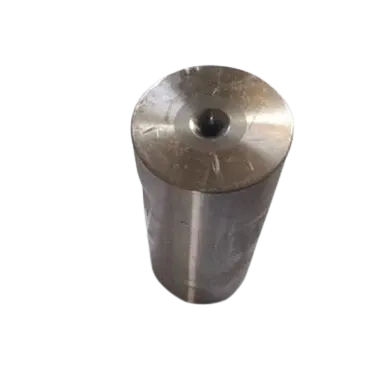
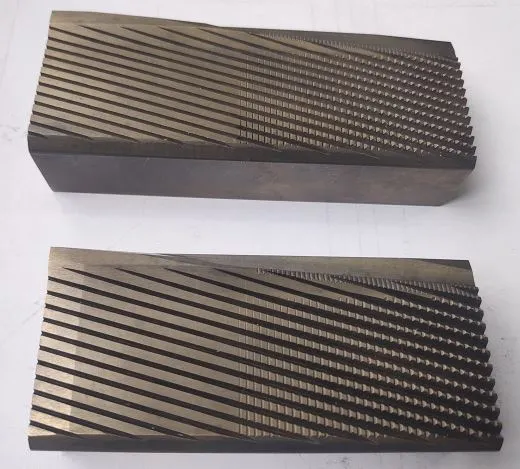
If you're not sure what size drill bit to use, you can start with a smaller bit and gradually increase the size until you get the right fit. It's also a good idea to test the drill bit on a scrap piece of material first to make sure it's working properly.
Wrenches
Wrenches are used to tighten or loosen nuts and bolts. There are several different types of wrenches, including adjustable wrenches, socket wrenches, and combination wrenches. When choosing a wrench, you need to make sure it fits the size of the nut or bolt you're working with.
Most nuts and bolts have a standard size, which is usually measured in millimeters or inches. You can use a wrench size chart to find the right size wrench for your needs. If you're not sure what size nut or bolt you're dealing with, you can use a caliper to measure it.
Screwdrivers
Screwdrivers are used to turn screws. There are two main types of screwdrivers: flathead and Phillips. When choosing a screwdriver, you need to make sure the tip of the screwdriver fits the slot or recess in the screw head.
If the tip of the screwdriver is too small, it might slip out of the screw head and damage the screw or the surrounding material. If the tip is too large, it won't fit into the slot or recess properly, and you won't be able to turn the screw.
Saws
Saws are used to cut through various materials, such as wood, metal, and plastic. There are several different types of saws, including hand saws, circular saws, and jigsaws. When choosing a saw, you need to consider the type of material you're cutting, the thickness of the material, and the type of cut you need to make.
For example, if you're cutting a straight line in a piece of wood, a hand saw or a circular saw might be the best choice. But if you need to make a curved cut, a jigsaw would be more suitable.
Tungsten Carbide Die and Main Die
When it comes to specialized tools like Tungsten Carbide Die and Main Die, the right size is even more critical. These dies are used in a variety of industrial applications, such as metal forming and extrusion. Choosing the wrong size can lead to poor quality products, increased production costs, and even equipment damage.
When selecting a Tungsten Carbide Die or Main Die, you need to consider the dimensions of the workpiece, the type of material being processed, and the specific requirements of the manufacturing process. It's also important to work with a reputable supplier who can provide you with accurate sizing information and technical support.
Taper roller end face grinding tools
Taper roller end face grinding tools are used to grind the end faces of taper rollers, which are commonly used in bearings. The size of these tools is crucial for achieving the correct dimensions and surface finish of the taper rollers.
When choosing taper roller end face grinding tools, you need to consider the size and shape of the taper rollers, as well as the required grinding accuracy. Working with an experienced supplier can help you select the right tools for your specific application.
In conclusion, choosing the right size of tools is essential for getting the job done right. By understanding the requirements of your project, considering the size of the workspace, and matching the tool size to the task at hand, you can ensure that you're using the best tools for the job.
If you're still not sure which size tools to choose, don't hesitate to reach out to us. As a tools supplier, we have the expertise and experience to help you find the perfect tools for your needs. Whether you're a professional tradesperson or a DIY enthusiast, we're here to support you. So, if you're in the market for high-quality tools, give us a call or send us an email. We'd love to help you with your next project.
References
- Tool Handbook: A Comprehensive Guide to Tools and Their Uses
- Machinery's Handbook: A Standard Reference Book for the Mechanical Engineer, Designer, Manufacturing Engineer, Draftsman, Toolmaker, and Machinist