
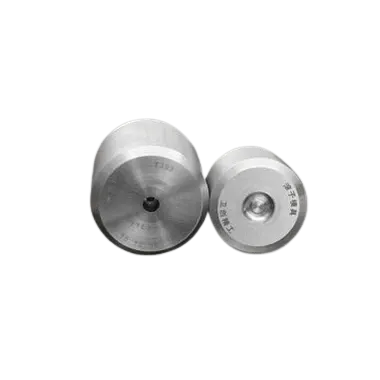
Hey there! I'm a supplier of Cold Heading Dies, and I've seen firsthand how crucial it is to pick the right lubricant for these dies. Cold heading is a process where metal is shaped at room temperature by applying pressure, and using the wrong lubricant can lead to all sorts of problems, like poor die life, sub - par part quality, and increased production costs. So, let's dive into how you can choose the perfect lubricant for your cold heading dies.
Understanding the Basics of Cold Heading Lubricants
First off, you need to know what a cold heading lubricant does. Its main jobs are to reduce friction between the die and the metal being formed, prevent the metal from sticking to the die, and dissipate heat generated during the cold heading process.
There are different types of lubricants available, such as mineral - based, synthetic, and semi - synthetic lubricants. Mineral - based lubricants are often more affordable and have been used for a long time. They're good at reducing friction, but they might not be the best in high - speed or high - pressure cold heading operations.
Synthetic lubricants, on the other hand, are designed for more demanding applications. They can handle higher temperatures and pressures, which is great if you're working with tough metals or running your cold heading machines at a fast pace. They also tend to have better oxidation resistance, meaning they'll last longer without breaking down.
Semi - synthetic lubricants are a blend of mineral and synthetic oils. They offer a balance between cost and performance, making them a popular choice for many cold heading operations.
Factors to Consider When Choosing a Lubricant
1. Metal Type
The type of metal you're cold heading plays a huge role in lubricant selection. For example, softer metals like aluminum and copper are easier to form, and you might be able to get away with a less - expensive lubricant. However, these metals can be more prone to sticking to the dies, so you'll need a lubricant that has good anti - sticking properties.
Harder metals like stainless steel and high - carbon steel require a more heavy - duty lubricant. These metals generate more heat during the cold heading process, and you need a lubricant that can handle the high temperatures and pressures without breaking down.
2. Cold Heading Process
The specific cold heading process you're using also matters. If you're doing simple single - blow operations, a basic lubricant might be sufficient. But for multi - blow operations, where the metal is shaped in multiple steps, you'll need a lubricant that can maintain its performance throughout the entire process.
High - speed cold heading operations put more stress on the lubricant. The lubricant needs to be able to quickly form a protective film between the die and the metal to reduce friction and prevent wear. In these cases, synthetic or semi - synthetic lubricants are usually the way to go.
3. Die Design
The design of your cold heading dies can affect lubricant selection. Dies with complex shapes or tight tolerances require a lubricant that can reach all the nooks and crannies. A lubricant with good flow properties is essential here.
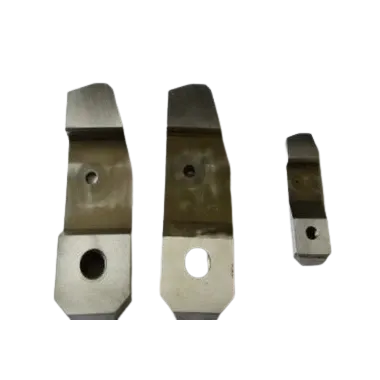
Some dies are also made from special materials like carbide. Carbide dies are very hard and wear - resistant, but they can be more sensitive to the lubricant. You need a lubricant that won't react with the carbide and cause corrosion. You can check out Carbide Cut Off Blade COB for more information on carbide - related cold heading tools.
4. Environmental and Safety Considerations
In today's world, environmental and safety concerns are important. Some lubricants contain harmful chemicals that can be bad for the environment and the health of your workers. Look for lubricants that are environmentally friendly and have low toxicity.
Water - based lubricants are a good option here. They're often biodegradable and have lower levels of volatile organic compounds (VOCs). However, they might not be as effective as oil - based lubricants in some high - performance applications.
Testing and Evaluation
Once you've narrowed down your lubricant options based on the factors above, it's a good idea to test the lubricants in your actual cold heading operation. You can run some trial runs with different lubricants and compare the results.
Look at things like die wear, part quality, and production efficiency. Check if the lubricant is preventing the metal from sticking to the dies, and if it's reducing friction effectively. You can also measure the temperature of the dies during the process to see how well the lubricant is dissipating heat.
Other Cold Heading Tools and Their Relationship with Lubricants
It's not just about the dies; other cold heading tools also interact with the lubricant. For example, Feed Roll is an important part of the cold heading process. The lubricant needs to be compatible with the feed roll material to ensure smooth feeding of the metal. If the lubricant isn't compatible, it could cause the feed roll to wear out prematurely or lead to inconsistent feeding.
Cold heading punches, like the ones you can find at Cold Heading Punches, also rely on proper lubrication. The lubricant helps the punches move smoothly through the metal, reducing wear and tear on the punches and improving the quality of the cold - headed parts.
Cost - Benefit Analysis
Of course, cost is always a factor. You don't want to overspend on a lubricant, but you also don't want to skimp and end up with poor - quality parts or damaged dies. Do a cost - benefit analysis by considering the price of the lubricant, its performance, and how it affects your overall production costs.
A more expensive lubricant might save you money in the long run if it extends the life of your dies, reduces downtime for maintenance, and improves part quality. On the other hand, if you're on a tight budget and your cold heading operation isn't too demanding, a less - expensive lubricant might be the way to go.
Conclusion
Choosing the right lubricant for cold heading dies is a complex but important decision. By considering factors like the metal type, cold heading process, die design, and environmental concerns, you can narrow down your options. Testing the lubricants in your actual operation is also crucial to ensure you're making the best choice.
Remember, the right lubricant can improve the performance of your cold heading dies, increase the quality of your parts, and save you money in the long run. If you're still not sure which lubricant is right for your cold heading operation, don't hesitate to reach out. We're here to help you make the best decision for your business. Whether you have questions about lubricants, Carbide Cut Off Blade COB, Feed Roll, or Cold Heading Punches, we're just a message away. Let's start that conversation and find the perfect solution for your cold heading needs!
References
- "Cold Heading Technology Handbook"
- Industry research reports on cold heading lubricants