
Picking the right inch steel balls for your application can seem like a real head - scratcher. But don't worry! As a seasoned inch steel ball supplier, I'm here to walk you through the whole process.
First off, let's talk about why the size of the steel balls matters. The inch measurement of steel balls is super important because it directly impacts how well they'll work in your specific application. Whether you're using them in a high - precision machine or a simple mechanical device, getting the right size is crucial.
Understanding Your Application
The very first step is to have a clear idea of what you're using the steel balls for. Different applications have different requirements. For example, if you're working on a ball bearing in a high - speed motor, you'll need steel balls that can handle high rotational speeds and have excellent wear resistance. On the other hand, if you're using them in a grinder, the steel balls need to be tough enough to break down materials.
Let's break down some common applications and what to look for in terms of size:
Precision Machinery
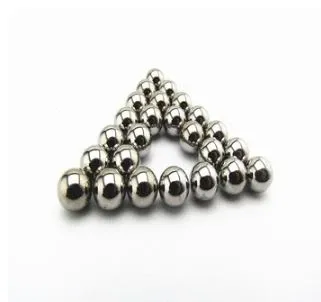
In precision machinery, like those used in the aerospace or medical industries, accuracy is key. You'll typically need smaller inch steel balls, often in the range of 1/16 inch to 1/2 inch. These smaller balls can fit into tight spaces and provide the high - precision movement required. For instance, in a miniature ball bearing in a medical device, a 1/8 - inch steel ball might be the perfect fit. You can find high - quality Carbon Steel Ball options that are suitable for such precision applications.
Heavy - Duty Machinery
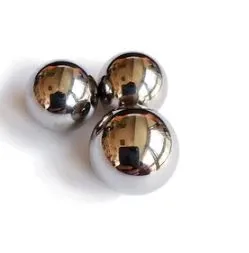
When it comes to heavy - duty machinery, such as construction equipment or large industrial presses, larger steel balls are usually needed. Large Steel Ball sizes can range from 1 inch to several inches. These bigger balls can withstand the high loads and forces associated with heavy - duty operations. For example, in a large - scale mining crusher, 2 - inch or 3 - inch steel balls might be used to crush rocks effectively.
Grinding and Milling
In grinding and milling applications, the size of the steel balls affects the grinding efficiency. Smaller balls are better for fine grinding, as they can access smaller particles and provide a more uniform grind. Larger balls, on the other hand, are great for initial coarse grinding. You might use a combination of different sizes in a grinding mill to achieve the best results. Solid Steel Balls are often preferred in these applications because of their durability.
Material Considerations
The material of the steel balls is just as important as the size. Different materials have different properties, which can impact the performance of the steel balls in your application.
Carbon Steel
Carbon steel balls are a popular choice because they're relatively inexpensive and have good strength. They're suitable for many general - purpose applications, such as in simple ball bearings or in some light - duty grinding operations. However, they may not be the best choice for applications where corrosion resistance is a concern, as carbon steel can rust over time.
Stainless Steel
Stainless steel balls offer excellent corrosion resistance, making them ideal for applications in wet or corrosive environments. They're commonly used in the food and beverage industry, as well as in marine applications. Although they're more expensive than carbon steel balls, their long - term durability can make them a cost - effective choice in the right situations.
Chrome Steel
Chrome steel balls are known for their high hardness and wear resistance. They're often used in high - performance ball bearings, where they can withstand high loads and speeds without deforming. Chrome steel balls are a great option for applications in the automotive and aerospace industries.
Surface Finish
The surface finish of the steel balls can also have a big impact on their performance. A smooth surface finish reduces friction, which is important in applications where low - friction movement is required, such as in ball bearings. On the other hand, a rougher surface finish might be beneficial in some grinding applications, as it can increase the contact area and improve the grinding efficiency.
Tolerance
Tolerance refers to the allowable deviation from the specified size of the steel balls. In high - precision applications, a tight tolerance is required. For example, in a precision ball bearing, the steel balls need to be within a very narrow size range to ensure smooth operation. In less critical applications, a looser tolerance might be acceptable, which can save you some money.
How to Make the Final Decision
Now that you know all the factors to consider, how do you actually choose the right inch steel balls for your application? Here are some steps to follow:
- Define Your Requirements: Clearly outline the requirements of your application, including the load, speed, environment, and precision needed.
- Research Materials: Based on your requirements, research the different materials available and choose the one that best suits your needs.
- Select the Size: Consider the size range that's appropriate for your application, taking into account the space available and the performance requirements.
- Check the Surface Finish and Tolerance: Make sure the surface finish and tolerance of the steel balls meet your application's needs.
- Get Samples: If possible, get samples of the steel balls and test them in your application to see how they perform.
As an inch steel ball supplier, I understand that every application is unique. That's why we offer a wide range of inch steel balls in different sizes, materials, surface finishes, and tolerances. Whether you need a small batch for a prototype or a large quantity for a production run, we can help you find the perfect steel balls for your needs.
If you're still not sure which inch steel balls are right for your application, don't hesitate to reach out. Our team of experts is always ready to assist you. We can provide more detailed information, answer your questions, and even help you with custom solutions. Contact us today to start the conversation about your steel ball requirements and let's work together to find the best fit for your application.
References
- "Handbook of Bearing Design and Application" by Peter J. Blair
- "Materials Science and Engineering: An Introduction" by William D. Callister Jr. and David G. Rethwisch