
How to choose the right conical rollers? As a conical rollers supplier, I've seen firsthand how crucial it is to pick the perfect ones for your needs. Let's dive into the world of conical rollers and figure out what makes a good choice.
1. Understand Your Application
First things first, you gotta know where you're gonna use those conical rollers. Different applications have different requirements. For example, if you're using them in a high - speed machine, you'll need rollers that can handle the rapid movement without overheating or wearing out too quickly.
If it's a heavy - duty industrial application like in a mining machine, the rollers need to be strong enough to withstand huge loads. You don't want them to break under pressure, right? So, identify your application type and the operating conditions such as speed, load, temperature, and environment before you start shopping.
2. Consider the Material
The material of the conical rollers plays a huge role in their performance. The most common material is steel. Steel rollers are tough, durable, and can handle a good amount of stress. But there are different grades of steel, and you need to choose the one that suits your application.
For high - precision applications, you might want to go for a high - quality stainless steel. It offers better corrosion resistance and can maintain its shape and performance over time. On the other hand, if cost is a major factor and the working environment is relatively clean, a standard carbon steel roller could do the job.
There are also other materials like ceramic. Ceramic conical rollers have some unique advantages. They're lightweight, which can reduce the overall weight of the machine and increase the efficiency. Plus, they're highly resistant to heat and corrosion. However, they're usually more expensive than steel rollers, so you need to weigh the pros and cons based on your budget and requirements.
3. Look at the Dimensions
Getting the right dimensions is super important. You need to measure carefully and make sure the conical rollers fit perfectly into your system. The diameter, length, and taper angle all need to match what your machine requires.
If the rollers are too big, they won't fit properly, and it could cause all sorts of problems like jamming or uneven wear. If they're too small, they might not be able to handle the load, leading to premature failure. So, take accurate measurements and double - check the specifications before making a purchase.
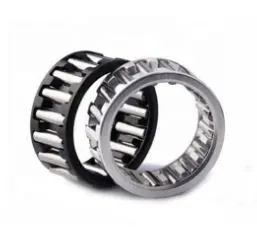

4. Check the Tolerance
Tolerance refers to the allowable deviation from the specified dimensions of the conical rollers. A lower tolerance means higher precision. In applications where precision is key, like in a high - end automotive engine or a precision machining tool, you'll need rollers with a very tight tolerance.
Higher - tolerance rollers ensure smooth operation, less vibration, and better overall performance. However, tighter tolerance usually comes at a higher cost. So, you need to decide how much precision you really need based on your application and whether it's worth paying the extra money for it.
5. Evaluate the Surface Finish
The surface finish of the conical rollers can affect their performance and lifespan. A smooth surface finish reduces friction, which in turn reduces heat generation and wear. This is especially important in high - speed applications where friction can cause overheating and damage to the rollers.
You should look for rollers with a polished surface. The polishing process not only makes the surface smoother but also removes any surface defects that could cause problems down the line. Some rollers also have special surface treatments, such as coatings, to further enhance their performance, like increasing wear resistance or reducing friction even more.
6. Compare with Other Types of Rollers
It's also a good idea to compare conical rollers with other types of rollers, such as Spherical Roller and Needle Roller or Needle Roller.
Spherical rollers are great for applications where there's some misalignment. They can adjust to slight angular deviations, which makes them suitable for a wide range of machinery. Needle rollers, on the other hand, are very thin and long, which allows them to handle high loads in a compact space. They're often used in applications where space is limited.
By comparing different types of rollers, you can better understand the unique features of conical rollers and decide if they're the best choice for your specific needs.
7. Ask for Samples
Before you place a large order, it's a smart move to ask your supplier for samples. This way, you can test the conical rollers in your actual application and see how they perform. You can check for things like fit, smoothness of operation, and how well they handle the load.
If possible, run some tests over a period of time to see if there are any issues like wear, noise, or overheating. This hands - on experience will give you a better idea of whether the rollers are the right fit for your needs.
8. Consider the Supplier's Reputation
The reputation of the supplier matters a lot. A reliable supplier will provide high - quality conical rollers and offer good customer service. They should be able to answer your questions, provide technical support, and stand behind their products.
You can check online reviews, ask for references from other customers, or look at the supplier's track record in the industry. A supplier with a good reputation is more likely to offer consistent quality and reliable delivery.
9. Pricing and Warranty
Of course, pricing is an important factor. You want to get a good deal, but don't just go for the cheapest option. Remember, quality matters, and buying low - quality rollers can end up costing you more in the long run due to frequent replacements and downtime.
On the other hand, a high price doesn't always guarantee high quality. Look for a balance between price and quality. Also, check the warranty offered by the supplier. A good warranty gives you peace of mind and shows that the supplier is confident in their products.
Contact Us for Your Conical Rollers Needs
If you're still unsure about how to choose the right conical rollers or need more information, don't hesitate to reach out. As a conical rollers supplier, we're here to help you make the best decision for your application. We have a wide range of conical rollers to choose from, and our team of experts can provide you with personalized advice and support. Contact us today to start the procurement process and find the perfect conical rollers for your needs.
References
- "Roller Bearing Handbook" - It provides in - depth knowledge about different types of rollers, including conical rollers, and their applications.
- Industry standards and specifications related to conical rollers, which can help understand the requirements for quality and performance.