
Selecting the appropriate ball bearing balls for a machine is a critical decision that can significantly impact the performance, efficiency, and lifespan of the equipment. As a seasoned supplier of high-quality ball bearing balls, I understand the complexities involved in this process. In this blog post, I'll share valuable insights to help you make an informed choice.
Understanding the Basics of Ball Bearing Balls
Ball bearing balls play a pivotal role in reducing friction between moving parts in a machine. They are typically made from various materials, each with its own set of properties and applications. The most common materials include steel, stainless steel, ceramic, and hybrid combinations.
Factors to Consider When Choosing Ball Bearing Balls
1. Material
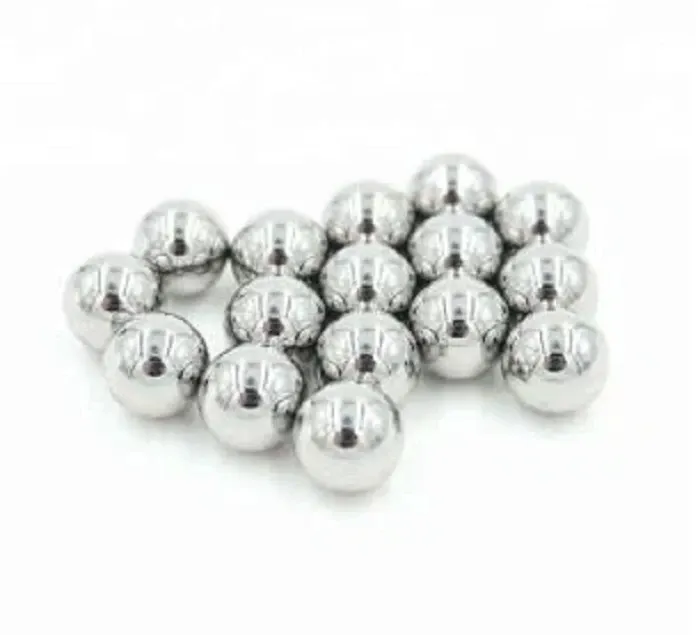
- Steel Balls: Steel is a popular choice for ball bearing balls due to its high strength, durability, and relatively low cost. Din 5401 Steel Ball adheres to specific standards, ensuring consistent quality and performance. These balls are suitable for a wide range of applications, from automotive engines to industrial machinery.
- Stainless Steel Balls: Stainless Steel Ball offer excellent corrosion resistance, making them ideal for applications where exposure to moisture, chemicals, or harsh environments is a concern. They are commonly used in food processing equipment, marine applications, and medical devices.
- Ceramic Balls: Ceramic balls have several advantages over steel balls, including lower density, higher hardness, and better heat resistance. They are often used in high-speed applications, such as aerospace and precision machinery, where reduced weight and increased efficiency are crucial.
- Hybrid Balls: Hybrid ball bearings combine ceramic balls with steel races, offering a balance of performance and cost. They are suitable for applications that require high-speed operation, low friction, and long service life.
2. Size and Tolerance
The size of the ball bearing balls is determined by the design requirements of the machine. It is essential to select balls with the correct diameter and tolerance to ensure proper fit and function. Tolerance refers to the allowable deviation from the specified size, and it can have a significant impact on the performance of the bearing. Tighter tolerances generally result in smoother operation and better load distribution.

3. Load Capacity
The load capacity of the ball bearing balls is another critical factor to consider. It refers to the maximum amount of load that the balls can withstand without experiencing excessive wear or deformation. The load capacity depends on several factors, including the material, size, and number of balls, as well as the design of the bearing. It is important to select balls with a load capacity that is appropriate for the specific application.
4. Speed and RPM
The speed at which the machine operates can also influence the choice of ball bearing balls. High-speed applications require balls with low friction and good heat dissipation properties to prevent overheating and premature failure. Ceramic balls are often preferred for high-speed applications due to their lower density and better heat resistance.
5. Lubrication
Proper lubrication is essential for the smooth operation and longevity of ball bearing balls. The type of lubricant used depends on the application, operating conditions, and material of the balls. Grease is a common lubricant for ball bearings, as it provides good protection against wear and corrosion. However, in some applications, such as high-speed or high-temperature environments, oil lubrication may be required.
6. Environmental Conditions
The environmental conditions in which the machine operates can also affect the performance of the ball bearing balls. Exposure to moisture, chemicals, dust, or extreme temperatures can cause corrosion, wear, and other forms of damage. It is important to select balls that are suitable for the specific environmental conditions to ensure reliable operation.
Application-Specific Considerations
1. Automotive Industry
In the automotive industry, ball bearing balls are used in various applications, including engines, transmissions, steering systems, and suspension systems. The requirements for automotive ball bearings are high, as they need to withstand high loads, high speeds, and harsh operating conditions. Stainless steel or hybrid balls are often used in automotive applications to provide corrosion resistance and long service life.
2. Industrial Machinery
Industrial machinery, such as pumps, compressors, and conveyors, also rely on ball bearing balls for smooth operation. The choice of balls depends on the specific application and the operating conditions. For example, in heavy-duty applications, steel balls with high load capacity may be required, while in high-speed applications, ceramic balls may be preferred.
3. Aerospace Industry
The aerospace industry has stringent requirements for ball bearing balls, as they need to operate in extreme conditions, such as high altitudes, low temperatures, and high speeds. Ceramic balls are often used in aerospace applications due to their high strength, low weight, and excellent heat resistance.
4. Medical Devices
Medical devices, such as surgical instruments, dental equipment, and diagnostic machines, require ball bearing balls that are clean, reliable, and biocompatible. Stainless steel or ceramic balls are commonly used in medical applications to ensure safety and hygiene.
Working with a Reliable Supplier
Choosing the right ball bearing balls for your machine is a complex process that requires careful consideration of several factors. Working with a reliable supplier can help you navigate this process and ensure that you get the best possible product for your application. As a leading supplier of ball bearing balls, we have extensive experience and expertise in the industry. We offer a wide range of high-quality balls, including Stainless Steel Ball, Din 5401 Steel Ball, and Metal Ball, to meet the diverse needs of our customers.
If you're in the market for ball bearing balls, we encourage you to contact us to discuss your specific requirements. Our team of experts will work with you to understand your application and recommend the most suitable balls for your machine. We offer competitive pricing, fast delivery, and excellent customer service to ensure your satisfaction.
References
- "Ball Bearings: Design, Engineering, and Performance" by Terry L. Johnson
- "Handbook of Bearings" by SKF
- "Bearing Selection Guide" by Timken