
Hey there! If you're in the market for stainless steel balls for a ball screw, you've come to the right place. I'm a supplier of Stainless Steel Ball, and I've got some valuable insights to share with you.
First off, let's talk about why stainless steel balls are a great choice for ball screws. Ball screws are used in a wide range of applications, from CNC machines to aerospace equipment. They convert rotational motion into linear motion with high precision and efficiency. Stainless steel balls offer several advantages in this context.
Stainless steel is known for its corrosion resistance. This means that the balls can withstand harsh environments, including exposure to moisture, chemicals, and high temperatures. In applications where the ball screw is exposed to the elements or corrosive substances, stainless steel balls can significantly extend the lifespan of the system.
Another benefit is the high hardness of stainless steel. Harder balls can better withstand the loads and stresses placed on them during operation. This results in less wear and tear, which translates to longer service intervals and reduced maintenance costs.
Now, let's get into the nitty - gritty of how to choose the right stainless steel balls for your ball screw.
Size Matters
The size of the stainless steel balls is crucial. You need to select balls that fit precisely into the ball screw nut and shaft. If the balls are too large, they won't fit properly, and the ball screw may not function smoothly. On the other hand, if the balls are too small, there will be excessive play, which can lead to reduced accuracy and premature failure.
Most ball screw manufacturers specify the required ball size in their product documentation. Make sure to double - check these specifications before making a purchase. If you're not sure, you can always reach out to the ball screw manufacturer or consult with an engineer.
We offer a wide range of sizes for our Stainless Steel Ball. Whether you need small balls for a precision instrument or larger ones for heavy - duty machinery, we've got you covered.
Material Grade
Not all stainless steel is created equal. There are different grades of stainless steel, each with its own unique properties. The most common grades used for ball screws are 304 and 440C.
304 stainless steel is a general - purpose grade. It offers good corrosion resistance and is relatively easy to machine. It's a popular choice for applications where the environment is not extremely harsh.
440C stainless steel, on the other hand, is a high - carbon stainless steel. It has excellent hardness and wear resistance, making it suitable for high - load and high - speed applications. However, it is more expensive than 304 and may require more specialized machining.
When choosing the material grade, consider the operating conditions of your ball screw. If it will be exposed to corrosive substances, 304 might be a good choice. But if you need maximum durability and wear resistance, 440C could be the better option.
Surface Finish
The surface finish of the stainless steel balls can have a significant impact on the performance of the ball screw. A smooth surface finish reduces friction between the balls and the ball screw components. This results in smoother operation, lower energy consumption, and less noise.
Look for balls with a high - quality surface finish. Our manufacturing process ensures that our Stainless Steel Ball have a very smooth surface, which meets the high standards required for ball screw applications.
Roundness and Sphericity
Roundness and sphericity are important factors as well. Round balls ensure even distribution of loads and smooth movement within the ball screw. Any deviation from perfect roundness can cause uneven wear and reduce the accuracy of the ball screw.
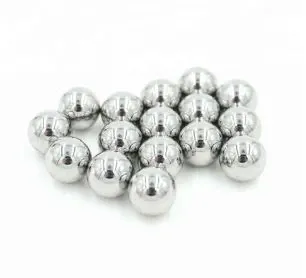
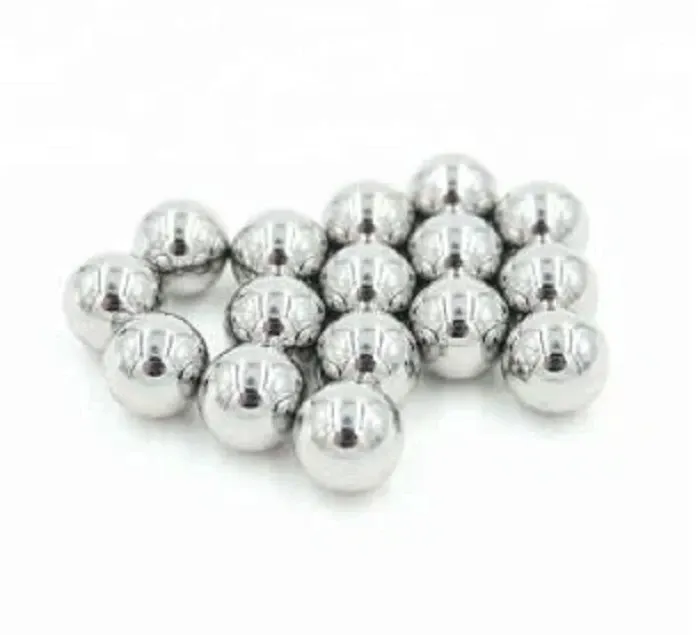
Our quality control process includes rigorous testing of roundness and sphericity. We use advanced measuring equipment to ensure that each ball meets the strictest standards.
Tolerance
Tolerance refers to the allowable deviation from the specified size and other characteristics of the balls. Tighter tolerances generally mean higher precision, but they also come at a higher cost.
For high - precision applications, such as those in the semiconductor or medical industries, you'll need balls with very tight tolerances. In less critical applications, you can opt for balls with slightly looser tolerances to save on costs.
We offer a variety of tolerance levels for our Inch Steel Ball. You can choose the one that best suits your requirements and budget.
Load Capacity
The load capacity of the stainless steel balls is an important consideration. You need to ensure that the balls can handle the loads placed on the ball screw during operation. This includes both static and dynamic loads.
The load capacity depends on factors such as the material grade, size, and hardness of the balls. When selecting balls, make sure to check the load - rating charts provided by the manufacturer. If you're unsure about the load requirements of your application, it's a good idea to consult with an engineer.
Lubrication Compatibility
Proper lubrication is essential for the smooth operation and longevity of the ball screw. The stainless steel balls you choose should be compatible with the lubricant used in the system.
Some lubricants may react with certain types of stainless steel, causing corrosion or other problems. Make sure to check the compatibility of the balls and the lubricant before making a purchase.
Cost - Benefit Analysis
Finally, you need to do a cost - benefit analysis. While it's important to choose high - quality stainless steel balls, you also need to consider your budget. Look for a balance between the quality and cost of the balls.
Our prices are competitive, and we offer high - quality products. We believe that you don't have to break the bank to get the best stainless steel balls for your ball screw.
In conclusion, choosing the right stainless steel balls for a ball screw requires careful consideration of several factors, including size, material grade, surface finish, roundness, tolerance, load capacity, lubrication compatibility, and cost. As a trusted supplier of Stainless Steel Ball, we're here to help you make the right choice.
If you have any questions or need further assistance in selecting the appropriate stainless steel balls for your ball screw, don't hesitate to reach out. We're more than happy to have a detailed discussion with you and help you find the perfect solution for your application. Let's start a procurement conversation and see how we can meet your needs!
References
- ASME Standards on Ball Screws
- Material Science and Engineering textbooks related to stainless steel
- Manufacturer's documentation on ball screws and stainless steel balls