
When dealing with large steel balls, safety is of paramount importance. As a trusted supplier of Large Steel Ball, I understand the potential risks involved in their use and am committed to providing valuable insights on how to avoid accidents. In this blog post, I'll share some practical tips and best practices to ensure the safe handling and utilization of these heavy-duty components.
Understanding the Risks
Large steel balls are incredibly dense and heavy, which means they can cause significant damage if not handled properly. Some of the common risks associated with their use include:
- Physical Injury: Dropping a large steel ball can result in serious injuries, such as fractures, contusions, or even amputations. The impact force can be substantial, especially when the ball is dropped from a height.
- Property Damage: A large steel ball can easily damage floors, walls, and other structures if it is not properly secured or transported. The weight and hardness of the ball can cause dents, scratches, and cracks, leading to costly repairs.
- Chemical Exposure: In some cases, large steel balls may be coated with chemicals or lubricants to enhance their performance. If these substances come into contact with skin or eyes, they can cause irritation, burns, or other health problems.
Safe Handling Practices
To minimize the risks associated with using large steel balls, it's essential to follow these safe handling practices:
- Use Proper Lifting Equipment: When lifting large steel balls, always use appropriate lifting equipment, such as cranes, hoists, or forklifts. Make sure the equipment is in good working condition and rated to handle the weight of the ball.
- Wear Personal Protective Equipment (PPE): When handling large steel balls, it's important to wear appropriate PPE, such as safety glasses, gloves, and steel-toed boots. This will help protect you from potential injuries, such as cuts, abrasions, and impacts.
- Secure the Ball: Before moving or transporting a large steel ball, make sure it is properly secured to prevent it from rolling or falling. Use straps, chains, or other restraints to hold the ball in place.
- Avoid Overloading: Do not overload lifting equipment or storage containers with large steel balls. Make sure the equipment and containers are rated to handle the weight of the balls and do not exceed their maximum capacity.
- Store the Balls Properly: When storing large steel balls, make sure they are stored in a safe and secure location. Use racks, shelves, or other storage systems to keep the balls organized and prevent them from rolling or falling.
Maintenance and Inspection
Regular maintenance and inspection of large steel balls are essential to ensure their safe and reliable operation. Here are some tips to keep in mind:
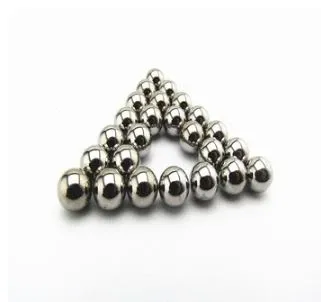
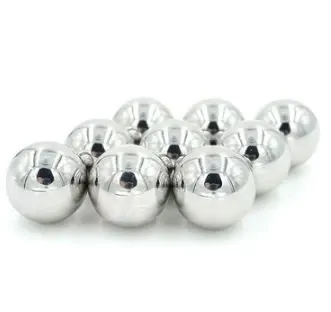
- Inspect the Balls Regularly: Before using a large steel ball, inspect it for signs of damage, such as cracks, chips, or dents. If you notice any damage, do not use the ball and contact your supplier for replacement.
- Clean the Balls: Regularly clean the large steel balls to remove dirt, debris, and other contaminants. This will help prevent corrosion and ensure the balls operate smoothly.
- Lubricate the Balls: If the large steel balls are used in a rolling or sliding application, make sure they are properly lubricated to reduce friction and wear. Use a high-quality lubricant recommended by the ball manufacturer.
- Replace Worn or Damaged Parts: Over time, the components of large steel balls may wear out or become damaged. Make sure to replace any worn or damaged parts promptly to prevent accidents and ensure the safe operation of the balls.
Training and Education
Proper training and education are essential for anyone who works with large steel balls. Here are some tips to ensure your employees are properly trained:
- Provide Comprehensive Training: Make sure your employees receive comprehensive training on the safe handling, maintenance, and inspection of large steel balls. This should include hands-on training and demonstrations.
- Review Safety Procedures Regularly: Regularly review safety procedures with your employees to ensure they are up-to-date and understand the importance of following them.
- Encourage Reporting of Incidents: Encourage your employees to report any accidents, near misses, or safety concerns related to the use of large steel balls. This will help you identify potential hazards and take corrective action to prevent future incidents.
Conclusion
Using large steel balls can be a safe and efficient way to perform a variety of industrial applications. However, it's important to take the necessary precautions to avoid accidents and ensure the safety of your employees and property. By following the tips and best practices outlined in this blog post, you can minimize the risks associated with using large steel balls and ensure their safe and reliable operation.
If you're interested in purchasing Solid Steel Balls or Carbon Steel Ball, please contact us to discuss your specific requirements. Our team of experts is ready to assist you in finding the right solution for your needs.
References
- American Society of Mechanical Engineers (ASME). (2019). B30.9 - Slings.
- Occupational Safety and Health Administration (OSHA). (2017). 29 CFR 1910.179 - Overhead and Gantry Cranes.
- National Fire Protection Association (NFPA). (2018). NFPA 70 - National Electrical Code.