
Cross rollers are precision components widely used in various industrial applications, known for their ability to handle high loads and provide smooth, efficient motion. As a cross roller supplier, I often get asked about the cost of these essential parts. In this blog, I'll explore the factors that influence the price of cross rollers and give you a better understanding of what to expect when considering a purchase.
Understanding Cross Rollers
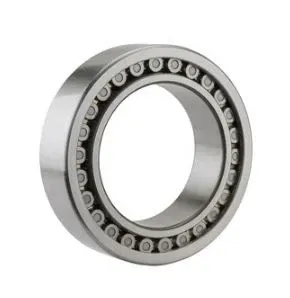
Before delving into the cost, it's important to understand what cross rollers are and how they work. Cross rollers are cylindrical rollers arranged in a crossed pattern within a cage. This design allows them to support both radial and axial loads simultaneously, making them ideal for applications such as machine tools, robotics, and semiconductor manufacturing equipment.
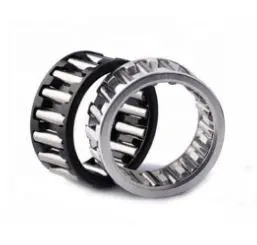
There are different types of cross rollers, each with its own unique characteristics and applications. For example, Cylindrical Roller are commonly used in applications where high radial loads need to be supported, while Needle Roller are more suitable for applications with limited space. The Taper Roller Disign is designed to handle both radial and axial loads, making it a versatile option for many industrial applications.
Factors Affecting the Cost of Cross Rollers
The cost of cross rollers can vary significantly depending on several factors. Here are some of the key factors that influence the price:
1. Material
The material used to manufacture cross rollers is one of the most significant factors affecting their cost. High-quality materials such as bearing steel, stainless steel, and ceramic offer superior performance and durability but come at a higher price. For example, ceramic cross rollers are more expensive than steel ones due to the high cost of raw materials and the complex manufacturing process.
2. Size and Precision
The size and precision requirements of cross rollers also play a crucial role in determining their cost. Larger cross rollers generally cost more than smaller ones due to the increased amount of material required. Additionally, cross rollers with higher precision tolerances are more expensive to manufacture as they require more advanced machining processes and quality control measures.
3. Quantity
The quantity of cross rollers you order can have a significant impact on the unit cost. Generally, the more cross rollers you purchase, the lower the unit price. This is because suppliers can take advantage of economies of scale and reduce the cost of production per unit.
4. Brand and Manufacturer
The brand and manufacturer of cross rollers can also affect their cost. Well-established brands with a reputation for quality and reliability often charge a premium for their products. However, it's important to note that higher-priced brands do not always guarantee better quality. It's essential to do your research and compare different brands and manufacturers to find the best value for your money.
5. Application Requirements
The specific application requirements of cross rollers can also influence their cost. For example, cross rollers used in high-speed or high-temperature applications may require special coatings or heat treatments, which can increase the cost. Similarly, cross rollers used in corrosive environments may need to be made from stainless steel or other corrosion-resistant materials, which are more expensive than standard steel.
Cost Range of Cross Rollers
The cost of cross rollers can range from a few dollars to several hundred dollars per piece, depending on the factors mentioned above. Here is a general overview of the cost range for different types of cross rollers:
- Standard Steel Cross Rollers: These are the most common type of cross rollers and are typically used in general industrial applications. The cost of standard steel cross rollers can range from $5 to $50 per piece, depending on the size and quantity.
- Stainless Steel Cross Rollers: Stainless steel cross rollers are more expensive than standard steel ones due to the higher cost of raw materials. The cost of stainless steel cross rollers can range from $10 to $100 per piece, depending on the size and quantity.
- Ceramic Cross Rollers: Ceramic cross rollers are the most expensive type of cross rollers due to their superior performance and durability. The cost of ceramic cross rollers can range from $50 to $500 per piece, depending on the size and quantity.
It's important to note that these are just general estimates, and the actual cost of cross rollers may vary depending on the specific requirements of your application.
Tips for Reducing the Cost of Cross Rollers
If you're looking to reduce the cost of cross rollers without sacrificing quality, here are some tips to consider:
1. Compare Quotes from Multiple Suppliers
One of the most effective ways to reduce the cost of cross rollers is to compare quotes from multiple suppliers. This will allow you to find the best price for the quality and quantity you need. Make sure to compare not only the price but also the delivery time, warranty, and customer service offered by each supplier.
2. Optimize Your Design
Another way to reduce the cost of cross rollers is to optimize your design. By using the smallest size and precision tolerances that meet your application requirements, you can reduce the amount of material and machining required, which can lower the cost. Additionally, consider using standard sizes and configurations whenever possible, as these are generally more cost-effective than custom-made parts.
3. Order in Bulk
As mentioned earlier, ordering in bulk can significantly reduce the unit cost of cross rollers. If you have a large project or ongoing need for cross rollers, consider placing a larger order to take advantage of economies of scale.
4. Consider Alternative Materials
If cost is a major concern, consider using alternative materials for your cross rollers. For example, some applications may be able to use plastic or composite materials instead of steel or ceramic, which can be more cost-effective. However, it's important to ensure that the alternative material meets the performance requirements of your application.
Conclusion
In conclusion, the cost of cross rollers can vary significantly depending on several factors, including material, size, precision, quantity, brand, and application requirements. By understanding these factors and following the tips mentioned above, you can make an informed decision when purchasing cross rollers and find the best value for your money.
If you're in the market for cross rollers, I encourage you to contact me to discuss your specific requirements. As a trusted cross roller supplier, I can provide you with high-quality products at competitive prices. Whether you need a small quantity for a prototype or a large order for a production run, I'm here to help. Let's work together to find the perfect cross rollers for your application.
References
- "Rolling Element Bearings: Selection, Application, and Maintenance" by Peter J. McPherson
- "Handbook of Bearing Design and Application" by A. A. Raimondi and J. Boyd
- "Mechanical Design Engineering Handbook" by Myer Kutz