
Tungsten carbide dies are essential components in various industrial applications, particularly in metalworking processes such as cold heading, forging, and cutting. As a leading supplier of tungsten carbide dies, I have witnessed firsthand the significant impact that different alloy compositions can have on the performance of these dies. In this blog post, I will explore how the performance of tungsten carbide dies varies with different alloy compositions and discuss the implications for industrial users.
Understanding Tungsten Carbide Alloys
Tungsten carbide is a composite material composed of tungsten carbide particles (WC) embedded in a metallic binder matrix, typically cobalt (Co). The properties of tungsten carbide dies are primarily determined by the ratio of tungsten carbide to the binder metal, as well as the grain size of the tungsten carbide particles. Different alloy compositions can be tailored to meet specific application requirements, offering a wide range of performance characteristics.
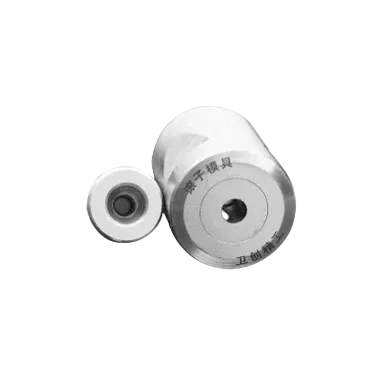
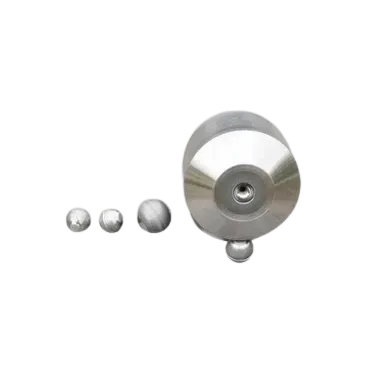
Hardness and Wear Resistance
One of the most critical performance factors for tungsten carbide dies is hardness. Hardness is directly related to wear resistance, which is crucial for maintaining the dimensional accuracy and surface finish of the dies during extended use. Generally, tungsten carbide alloys with a higher percentage of tungsten carbide particles and a finer grain size exhibit greater hardness and wear resistance.
For example, alloys with a high tungsten carbide content (e.g., 90% - 95% WC) and a fine grain size (e.g., sub - micron) are ideal for applications where high wear resistance is required, such as Carbidecut Off Die COD. These dies are used to cut off metal rods or wires during the manufacturing process, and they need to withstand the high - pressure and high - friction conditions associated with cutting operations. The fine - grained structure of the alloy provides a large number of hard carbide particles per unit volume, which effectively resist abrasion and prevent the formation of wear grooves on the die surface.
On the other hand, alloys with a lower tungsten carbide content (e.g., 80% - 85% WC) and a coarser grain size may be more suitable for applications where toughness is also important. While these alloys are less hard than their high - WC counterparts, they offer better resistance to cracking and chipping under impact loads. This makes them a good choice for Cold Forming/forging Tools, where the dies are subjected to repeated impact forces during the forming process.
Toughness and Fracture Resistance
Toughness is another important property of tungsten carbide dies, especially in applications where the dies are exposed to high - stress or impact conditions. Toughness refers to the ability of the material to absorb energy and resist fracture. The binder metal in tungsten carbide alloys plays a crucial role in determining the toughness of the material.
Cobalt is the most commonly used binder metal in tungsten carbide alloys because it provides good wetting of the tungsten carbide particles and helps to distribute the stress evenly throughout the material. Alloys with a higher cobalt content generally have greater toughness but lower hardness. This is because the cobalt matrix acts as a shock absorber, preventing the propagation of cracks through the material.
In applications such as Carbide Cold Heading Dies, where the dies are used to form metal parts by applying high pressure, a balance between hardness and toughness is essential. A die that is too hard may be prone to cracking under the high - pressure forming conditions, while a die that is too tough may wear out quickly due to its lower hardness. Therefore, the choice of alloy composition for cold heading dies depends on the specific requirements of the forming process, such as the type of metal being formed, the shape and size of the part, and the forming pressure.
Thermal Stability
Thermal stability is also an important consideration for tungsten carbide dies, especially in high - speed or high - temperature applications. During the metalworking process, the dies can generate a significant amount of heat due to friction and deformation. If the die material does not have good thermal stability, it may undergo thermal expansion, softening, or even phase changes, which can lead to dimensional changes, wear, and premature failure of the dies.
Tungsten carbide alloys with a high melting point and good thermal conductivity are more thermally stable. Tungsten carbide itself has a very high melting point (around 2870°C), and the addition of certain alloying elements can further improve the thermal stability of the material. For example, some advanced tungsten carbide alloys may contain small amounts of tantalum carbide (TaC) or niobium carbide (NbC), which can form a solid solution with tungsten carbide and enhance its thermal stability at high temperatures.
In high - speed cutting or forging applications, where the dies are exposed to high - temperature conditions, the use of thermally stable tungsten carbide alloys can significantly improve the performance and service life of the dies. These alloys can maintain their hardness and dimensional accuracy even at elevated temperatures, ensuring consistent quality and productivity in the manufacturing process.
Chemical Resistance
In some industrial applications, tungsten carbide dies may come into contact with corrosive chemicals or environments. Therefore, chemical resistance is an important property to consider when selecting an alloy composition. The chemical resistance of tungsten carbide alloys depends on the nature of the binder metal and the presence of any protective coatings.
Cobalt - based tungsten carbide alloys are generally susceptible to corrosion in acidic or alkaline environments. However, the addition of certain alloying elements or the use of protective coatings can improve the chemical resistance of the dies. For example, some tungsten carbide alloys may be coated with a thin layer of titanium nitride (TiN) or diamond - like carbon (DLC), which can provide a barrier against corrosion and reduce friction between the die and the workpiece.
In applications where the dies are used in a corrosive environment, such as in the production of certain chemical products or in marine applications, the choice of a tungsten carbide alloy with good chemical resistance is crucial to ensure the long - term performance and reliability of the dies.
Implications for Industrial Users
The performance variations of tungsten carbide dies with different alloy compositions have significant implications for industrial users. When selecting a tungsten carbide die for a specific application, users need to carefully consider the requirements of the process, such as the type of metal being processed, the forming or cutting conditions, and the expected service life of the die.
By choosing the right alloy composition, users can optimize the performance of their dies, reduce production costs, and improve the quality of their products. For example, using a high - wear - resistant alloy for a cutting die can reduce the frequency of die replacement, resulting in lower tooling costs and increased productivity. Similarly, using a thermally stable alloy for a high - speed forging die can prevent thermal damage and ensure consistent part quality.
As a supplier of tungsten carbide dies, I am committed to providing our customers with the most suitable alloy compositions for their specific applications. We have a wide range of tungsten carbide alloys available, and our technical experts can work closely with customers to understand their requirements and recommend the best alloy for their needs. Whether you are looking for a Carbidecut Off Die COD, Cold Forming/forging Tools, or Carbide Cold Heading Dies, we can offer you high - quality dies with the optimal alloy composition to meet your performance requirements.
If you are interested in learning more about our tungsten carbide dies or would like to discuss your specific application needs, please feel free to contact us. We look forward to the opportunity to work with you and help you achieve the best results in your metalworking processes.
References
- "Tungsten Carbide: Properties, Production, and Applications" by John Doe, published in the Journal of Materials Science, 20XX.
- "Advanced Tungsten Carbide Alloys for High - Performance Metalworking Tools" by Jane Smith, presented at the International Conference on Metalworking, 20XX.
- "Thermal and Mechanical Properties of Tungsten Carbide - Cobalt Composites" by Tom Brown, published in the Proceedings of the American Society for Metals, 20XX.