
Needle rollers are slender cylindrical rollers with a small diameter-to-length ratio, widely used in various applications such as automotive transmissions, aerospace equipment, and industrial machinery due to their high load-carrying capacity and compact design. The surface texture of needle rollers plays a crucial role in determining their performance, influencing factors such as friction, wear resistance, and lubrication efficiency. Understanding the relationship between surface texture and performance is essential for optimizing the design and manufacturing of needle rollers. As a trusted needle roller supplier, I am excited to delve into this topic and explore how different surface textures can impact the performance of needle rollers.
Friction and Wear Resistance
One of the primary ways in which surface texture affects needle roller performance is through its influence on friction and wear resistance. The surface roughness of a needle roller can significantly affect the frictional forces between the roller and the raceway. A smoother surface texture typically results in lower friction coefficients, reducing the energy consumption and heat generation during operation. This is particularly important in high-speed applications where excessive friction can lead to premature wear and failure of the components.
On the other hand, a certain degree of surface roughness can be beneficial in some cases. For example, a slightly rough surface can help to retain lubricant, forming a protective film between the roller and the raceway. This lubricating film reduces direct contact between the surfaces, minimizing wear and extending the service life of the needle rollers. However, it is crucial to find the right balance, as excessive roughness can lead to increased friction and wear, especially under high loads or in poorly lubricated conditions.
In our experience as a needle roller supplier, we have seen how different surface finishing techniques can be used to optimize the surface texture for specific applications. For instance, precision grinding can be used to achieve a smooth, mirror-like surface finish, which is ideal for applications where low friction and high-speed operation are required. On the other hand, honing or shot peening can be used to create a controlled surface roughness, enhancing the lubrication retention and wear resistance of the needle rollers.
Lubrication Efficiency
The surface texture of needle rollers also has a significant impact on lubrication efficiency. A well-designed surface texture can help to distribute the lubricant evenly across the contact area, ensuring proper lubrication and reducing the risk of metal-to-metal contact. This is particularly important in applications where the lubrication conditions are challenging, such as high-speed or high-load environments.
One way to enhance the lubrication efficiency is through the use of micro-textures on the needle roller surface. These micro-textures can act as reservoirs for the lubricant, providing a continuous supply of lubrication to the contact area. For example, laser texturing can be used to create micro-dimples or grooves on the surface of the needle rollers, improving the lubricant retention and distribution.
As a needle roller supplier, we are constantly researching and developing new surface texturing techniques to improve the lubrication efficiency of our products. By working closely with our customers and understanding their specific application requirements, we can recommend the most suitable surface texture for their needle rollers, ensuring optimal performance and reliability.
Fatigue Life
Another important aspect of needle roller performance is their fatigue life. The surface texture can influence the fatigue resistance of the needle rollers by affecting the stress distribution and crack initiation. A smooth and uniform surface texture can help to reduce stress concentrations, minimizing the risk of crack formation and propagation. This, in turn, can improve the fatigue life of the needle rollers, making them more reliable and durable.
In addition, the surface texture can also affect the corrosion resistance of the needle rollers. A rough or pitted surface can provide sites for corrosion to initiate, reducing the service life of the components. By using appropriate surface finishing techniques, such as plating or coating, we can improve the corrosion resistance of the needle rollers, ensuring their long-term performance in harsh environments.
As a needle roller supplier, we understand the importance of fatigue life and corrosion resistance in our products. We use advanced manufacturing processes and materials to ensure that our needle rollers have a smooth and uniform surface texture, with excellent fatigue resistance and corrosion protection.
Application-Specific Considerations
The optimal surface texture for needle rollers depends on the specific application requirements. Different applications may have different demands in terms of friction, wear resistance, lubrication efficiency, and fatigue life. Therefore, it is essential to consider these factors when selecting the surface texture for needle rollers.
For example, in automotive engine applications, where high-speed and high-load operation are common, a smooth surface texture with good lubrication properties is typically preferred. This helps to reduce friction and wear, improving the fuel efficiency and reliability of the engine. On the other hand, in heavy machinery applications, such as mining or construction equipment, where the loads are extremely high, a more robust surface texture with enhanced wear resistance may be required.
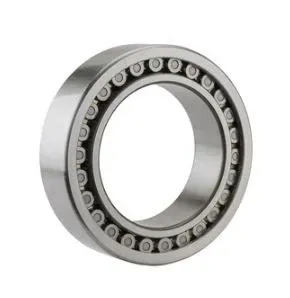
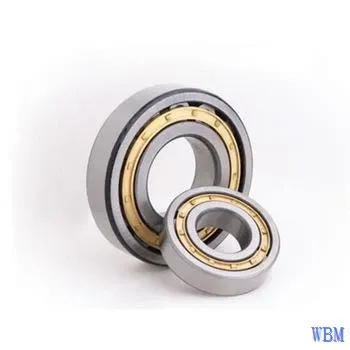
As a needle roller supplier, we have extensive experience in providing customized solutions for different applications. Our technical team can work closely with you to understand your specific requirements and recommend the most suitable surface texture for your needle rollers.
Conclusion
In conclusion, the surface texture of needle rollers has a profound impact on their performance, influencing factors such as friction, wear resistance, lubrication efficiency, and fatigue life. As a needle roller supplier, we are committed to providing high-quality products with optimized surface textures to meet the diverse needs of our customers.
Whether you need needle rollers for automotive, aerospace, or industrial applications, we have the expertise and resources to deliver the right solutions. By leveraging our advanced manufacturing processes and technical know-how, we can help you improve the performance and reliability of your equipment.
If you are interested in purchasing high-quality needle rollers, or if you have any questions or need further information, please feel free to contact us. We look forward to discussing your requirements and working with you to find the best needle roller solutions for your specific applications.
References
- Stachowiak, G. W., & Batchelor, A. W. (2005). Engineering Tribology (3rd ed.). Elsevier.
- Westermann, R., & Stahl, K. (2010). Tribology in Machine Elements. Springer.
- Bhushan, B. (2017). Springer Handbook of Tribology. Springer.