
Hey there! I'm a supplier in the taper roller design business, and today I wanna chat about how surface finish can have a huge impact on taper roller design.
Let's start with the basics. Surface finish refers to the texture or quality of the surface of the taper roller. It can range from a very smooth finish to a rougher one, and this seemingly small detail can actually make a big difference in how the taper roller performs.
Impact on Friction and Wear
One of the most significant ways surface finish affects taper roller design is in terms of friction and wear. A smoother surface finish generally means less friction between the taper roller and the raceway. When there's less friction, the roller can move more freely, which is great for reducing energy loss. For example, in high - speed applications, a smooth - finished taper roller can help the machinery run more efficiently, saving on power consumption.
On the flip side, if the surface finish is too rough, it can cause increased friction. This extra friction generates heat, which can lead to premature wear of the taper roller and the raceway. Over time, this wear can cause the taper roller to lose its shape and performance, leading to potential failures in the machinery. So, as a taper roller design supplier, we always have to find the right balance in surface finish to minimize friction and wear.
Influence on Load - Carrying Capacity
Surface finish also plays a crucial role in the load - carrying capacity of taper rollers. A well - finished surface can distribute the load more evenly across the roller. When the load is evenly distributed, the taper roller can handle higher loads without deforming or failing.
Imagine a taper roller with a rough surface. The unevenness can cause stress concentrations at certain points. These stress concentrations can weaken the roller and reduce its ability to carry heavy loads. In contrast, a smooth and uniform surface finish allows the load to spread out, enhancing the overall strength and load - carrying capacity of the taper roller. This is especially important in applications where the taper rollers are subjected to high loads, such as in heavy - duty machinery or automotive transmissions.
Effects on Noise and Vibration
Another aspect where surface finish matters is in noise and vibration. A poor surface finish can lead to increased noise and vibration during the operation of the machinery. When the taper roller has an uneven surface, it can cause irregular movements and impacts as it rolls along the raceway. These irregularities result in vibrations, which can then generate noise.
For example, in a precision - engineered machine, excessive noise and vibration can be a sign of a problem. It can also affect the overall quality of the product being manufactured. As a taper roller design supplier, we aim to provide rollers with a high - quality surface finish to minimize noise and vibration, ensuring a smooth and quiet operation of the machinery.
Comparison with Other Roller Types
Now, let's compare taper rollers with other types of rollers like Cylindrical Roller, Cross Roller, and Spherical Roller. Each type of roller has its own unique characteristics, and surface finish affects them differently.
Cylindrical rollers are mainly used for applications where high radial loads need to be carried. A smooth surface finish on cylindrical rollers can improve their rolling performance and reduce friction. However, since they have a different contact geometry compared to taper rollers, the impact of surface finish on load - distribution might be slightly different.
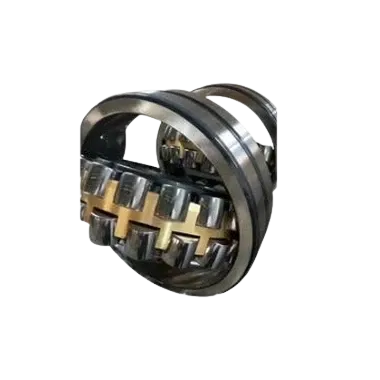
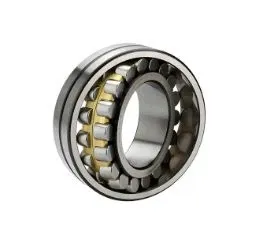
Cross rollers are designed to handle both radial and axial loads. The surface finish of cross rollers needs to be carefully controlled to ensure proper alignment and smooth movement. Any roughness on the surface can cause misalignment and affect the performance of the entire system.
Spherical rollers are known for their ability to accommodate misalignment. A good surface finish on spherical rollers helps in maintaining the smooth rolling motion even when there is some misalignment. But again, the specific requirements for surface finish can vary depending on the application and the level of misalignment expected.
Considerations in Taper Roller Design
As a taper roller design supplier, we take several factors into account when determining the ideal surface finish. First, we consider the application of the taper roller. If it's for a high - speed, low - load application, a very smooth surface finish might be the best choice. On the other hand, for a low - speed, high - load application, a slightly rougher surface finish that can better distribute the load might be more appropriate.
We also look at the material of the taper roller. Different materials respond differently to surface finishing processes. For example, some materials might be more prone to corrosion, so we need to choose a surface finish that can protect the roller from corrosion while still maintaining its performance.
The manufacturing process is another important consideration. The method used to finish the surface can affect the quality and consistency of the finish. We use advanced manufacturing techniques to ensure that each taper roller has a uniform and high - quality surface finish.
Importance of Quality Control
Quality control is essential when it comes to surface finish in taper roller design. We have strict quality control measures in place to ensure that every taper roller we supply meets the required standards. This includes using precision measuring tools to check the surface roughness and other surface characteristics.
By maintaining high - quality standards, we can guarantee that our taper rollers will perform well in various applications. This not only builds trust with our customers but also helps in reducing the number of product returns and failures.
Contact for Purchase and Collaboration
If you're in the market for high - quality taper rollers, I'd love to have a chat with you. Whether you have specific requirements for surface finish or need advice on the best taper roller design for your application, I'm here to help. Feel free to reach out and let's start a conversation about how we can work together to meet your needs.
References
- "Rolling Bearing Analysis" by Tedric A. Harris
- "Mechanical Design and Manufacturing" textbooks
- Industry research papers on roller bearing performance