
The performance of needle rollers is a critical aspect in various mechanical applications, and one factor that significantly influences this performance is the viscosity of the lubricant used. As a needle roller supplier, I have witnessed firsthand the impact that lubricant viscosity can have on the efficiency, durability, and overall functionality of needle rollers. In this blog post, we will delve into the intricate relationship between lubricant viscosity and the performance of needle rollers, exploring how different viscosities can affect various aspects of their operation.
Understanding Lubricant Viscosity
Before we discuss the impact of lubricant viscosity on needle rollers, it is essential to understand what viscosity is. Viscosity is a measure of a fluid's resistance to flow. In simpler terms, it describes how thick or thin a lubricant is. Lubricants with high viscosity are thicker and flow more slowly, while those with low viscosity are thinner and flow more easily. The viscosity of a lubricant is typically measured in centistokes (cSt) at a specific temperature, usually 40°C or 100°C.
Effects of Lubricant Viscosity on Needle Roller Performance
1. Film Formation
One of the primary functions of a lubricant in a needle roller system is to form a protective film between the rolling elements and the raceways. This film prevents direct metal-to-metal contact, reducing friction and wear. The viscosity of the lubricant plays a crucial role in the formation and maintenance of this film.

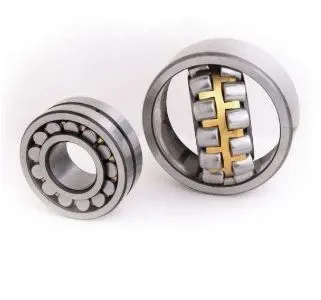
A lubricant with the appropriate viscosity will form a continuous and stable film that can withstand the loads and pressures exerted on the needle rollers. If the viscosity is too low, the lubricant may not be able to form a thick enough film, leading to increased friction and wear. On the other hand, if the viscosity is too high, the lubricant may not flow easily enough to reach all the necessary areas, resulting in incomplete film formation and potential lubrication breakdown.
For example, in high-speed applications, a lower viscosity lubricant may be preferred as it can quickly form a thin but effective film. However, in heavy-load applications, a higher viscosity lubricant may be necessary to ensure a thick and durable film that can withstand the greater pressures.
2. Friction and Power Loss
The viscosity of the lubricant also affects the amount of friction generated in the needle roller system. Higher viscosity lubricants generally result in higher friction due to the increased resistance to flow. This increased friction can lead to higher power losses, reducing the overall efficiency of the system.
In applications where energy efficiency is a priority, such as in electric vehicles or industrial machinery, choosing a lubricant with the optimal viscosity is crucial. A lubricant with too high a viscosity can cause excessive power consumption, while a lubricant with too low a viscosity may not provide sufficient lubrication, leading to increased wear and potentially higher long-term costs.
3. Heat Generation
Friction in a needle roller system generates heat, and the viscosity of the lubricant can influence the amount of heat produced. As mentioned earlier, higher viscosity lubricants tend to generate more friction, which in turn leads to more heat generation. Excessive heat can have a detrimental effect on the performance of the needle rollers, causing thermal expansion, reduced lubricant effectiveness, and even premature failure.
Proper lubricant viscosity selection can help manage heat generation in the system. By choosing a lubricant with the right viscosity, it is possible to minimize friction and heat while still providing adequate lubrication. In some cases, additional cooling mechanisms may also be required to maintain the optimal operating temperature.
4. Wear and Fatigue
The wear and fatigue life of needle rollers are directly related to the quality of lubrication. A lubricant with the appropriate viscosity can significantly reduce wear and extend the service life of the needle rollers. As the lubricant film protects the rolling elements and raceways from direct contact, it reduces the risk of surface damage, such as pitting and spalling.
In addition, a well-lubricated system is less likely to experience fatigue failure. Fatigue failure occurs when the material of the needle rollers or raceways weakens over time due to repeated loading. By reducing friction and wear, a properly viscous lubricant can help prevent the development of fatigue cracks and prolong the life of the components.
Selecting the Right Lubricant Viscosity
Selecting the right lubricant viscosity for a needle roller application is not a one-size-fits-all approach. It requires careful consideration of several factors, including the operating conditions, load, speed, and temperature.
- Operating Conditions: The environment in which the needle rollers operate can have a significant impact on lubricant viscosity requirements. For example, in a dusty or dirty environment, a higher viscosity lubricant may be needed to prevent contaminants from entering the system. In a wet or humid environment, a lubricant with good water resistance may be preferred.
- Load: The amount of load the needle rollers are expected to carry is a critical factor in viscosity selection. Heavy loads require a higher viscosity lubricant to ensure a thick and durable lubricant film. Light loads, on the other hand, may allow for the use of a lower viscosity lubricant.
- Speed: The speed at which the needle rollers rotate also affects viscosity requirements. High-speed applications typically require a lower viscosity lubricant to reduce friction and heat generation. Low-speed applications may be able to tolerate a higher viscosity lubricant.
- Temperature: Temperature has a significant effect on lubricant viscosity. As the temperature increases, the viscosity of the lubricant decreases. Therefore, it is important to choose a lubricant with a viscosity that remains stable over the expected temperature range of the application.
Comparing with Other Types of Rollers
It is also interesting to compare the lubricant viscosity requirements of needle rollers with other types of rollers, such as Interroll Tapered Roller, Cylindrical Roller, and Spherical Roller.
- Interroll Tapered Roller: Tapered rollers are designed to handle both radial and axial loads. They typically require a lubricant with a viscosity that can provide sufficient film strength to withstand the complex loading conditions. In general, the viscosity requirements for tapered rollers may be similar to those of needle rollers in heavy-load applications.
- Cylindrical Roller: Cylindrical rollers are mainly used for radial loads. The lubricant viscosity for cylindrical rollers may be slightly lower than that for needle rollers in some cases, especially in high-speed applications where minimizing friction is crucial.
- Spherical Roller: Spherical rollers are designed to accommodate misalignment. They require a lubricant that can maintain a stable film even under misaligned conditions. The viscosity requirements for spherical rollers may vary depending on the degree of misalignment and the load conditions.
Conclusion
In conclusion, the viscosity of the lubricant has a profound impact on the performance of needle rollers. From film formation and friction reduction to wear prevention and heat management, choosing the right lubricant viscosity is essential for ensuring the efficient and reliable operation of needle roller systems.
As a needle roller supplier, I understand the importance of providing our customers with not only high-quality needle rollers but also the knowledge and support to select the appropriate lubricant. If you are in need of needle rollers or have questions about lubricant viscosity and its impact on performance, I encourage you to contact us for a detailed discussion. Our team of experts is ready to assist you in finding the best solutions for your specific applications.
References
- Jones, A. (2018). Lubrication Fundamentals for Rolling Element Bearings. Industrial Lubrication and Tribology.
- Smith, B. (2019). The Role of Lubricant Viscosity in Machine Performance. Journal of Tribology.
- Taylor, C. (2020). Selecting the Right Lubricant for Needle Rollers. Bearing Engineering Magazine.