
Hey there! As a supplier of spherical rollers, I've been getting a lot of questions lately about how damping capacity affects the performance of these little wonders. So, I thought I'd sit down and share some insights on this topic.
First off, let's talk about what damping capacity is. In simple terms, damping capacity refers to a material's ability to absorb and dissipate energy when it's subjected to vibration or shock. Think of it like a shock absorber in a car. When you hit a bump, the shock absorber absorbs the energy and prevents it from being transferred to the rest of the car, giving you a smoother ride. Similarly, in spherical rollers, damping capacity helps to reduce vibrations and noise, which can have a big impact on their performance.
One of the key ways that damping capacity affects the performance of spherical rollers is by improving their durability. When a roller is subjected to high levels of vibration, it can cause wear and tear on the roller surface and the bearing housing. Over time, this can lead to premature failure of the roller, which can be costly and time-consuming to replace. By having a high damping capacity, the roller can absorb and dissipate the energy from the vibrations, reducing the stress on the roller and the bearing housing. This can significantly extend the lifespan of the roller, saving you money in the long run.
Another important aspect of damping capacity is its effect on noise reduction. In many industrial applications, noise can be a major problem. Excessive noise can not only be a nuisance to workers but can also lead to hearing damage over time. Spherical rollers with high damping capacity can help to reduce the noise generated during operation. When the roller absorbs the energy from the vibrations, it reduces the amount of noise that is transmitted through the bearing and into the surrounding environment. This can create a more comfortable and safer working environment for your employees.
In addition to durability and noise reduction, damping capacity can also improve the overall performance of spherical rollers in terms of precision and accuracy. In applications where precise movement is required, such as in machine tools or robotics, vibrations can cause the roller to deviate from its intended path. This can lead to errors in the final product or reduce the efficiency of the machine. By having a high damping capacity, the roller can maintain its stability and accuracy, even under high levels of vibration. This can result in better quality products and increased productivity.
Now, let's compare spherical rollers with other types of rollers in terms of damping capacity. For example, the Gravity Taper Roller and the Cylindrical Roller are two common types of rollers used in various applications. While these rollers have their own advantages, spherical rollers generally have better damping capacity due to their unique design. The spherical shape of the roller allows it to distribute the load more evenly and absorb vibrations more effectively. On the other hand, the Interroll Tapered Roller is also a popular choice, but again, spherical rollers tend to outperform them in terms of damping.
So, how do we measure the damping capacity of spherical rollers? There are several methods available, but one of the most common is the logarithmic decrement method. This method involves measuring the decay of vibrations over time and calculating the logarithmic decrement, which is a measure of the damping capacity. Another method is the half-power bandwidth method, which measures the width of the resonance peak in the frequency response of the roller. These methods allow us to accurately quantify the damping capacity of the roller and compare different materials and designs.
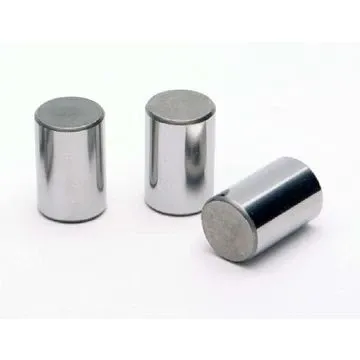
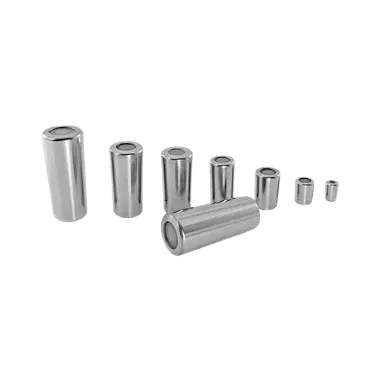
When it comes to choosing the right spherical roller for your application, damping capacity should be one of the key factors to consider. However, it's important to note that damping capacity is not the only factor that affects the performance of the roller. Other factors such as load capacity, speed rating, and lubrication also play important roles. Therefore, it's essential to work with a knowledgeable supplier who can help you select the right roller based on your specific requirements.
As a spherical roller supplier, I'm always here to help you make the best choice for your application. Whether you need a roller with high damping capacity for a high-vibration environment or a roller with other specific characteristics, I can provide you with the right solution. If you're interested in learning more about our spherical rollers or have any questions about damping capacity, feel free to reach out to me. We can have a detailed discussion about your needs and see how we can work together to improve the performance of your equipment.
In conclusion, damping capacity is a crucial factor that affects the performance of spherical rollers in many ways. It can improve durability, reduce noise, enhance precision and accuracy, and ultimately save you money and improve productivity. By understanding the importance of damping capacity and choosing the right spherical roller for your application, you can ensure the smooth and efficient operation of your equipment. So, if you're in the market for spherical rollers, don't overlook the importance of damping capacity. Contact me today to discuss your requirements and let's find the perfect solution for your business.
References
- Harris, T. A. (2001). Rolling Bearing Analysis. Wiley.
- Gupta, P. K. (2002). Handbook of Bearings. CRC Press.