
Steel balls are ubiquitous in various industries, and their influence on the performance of sports equipment is profound. As a trusted steel ball supplier, I've witnessed firsthand how these small yet powerful components can transform the functionality and durability of sports gear. In this blog, I'll delve into the ways steel balls affect the performance of sports equipment, exploring their applications, benefits, and the different types available.
Applications of Steel Balls in Sports Equipment
Steel balls find a wide range of applications in sports equipment, each contributing to the overall performance and functionality of the gear. One of the most common uses is in ball bearings, which are essential for smooth and efficient movement in many sports devices. For example, in bicycles, steel ball bearings are used in the hubs, bottom bracket, and headset, allowing the wheels and components to rotate freely with minimal friction. This not only improves the bike's speed and efficiency but also enhances the rider's control and comfort.
In the world of fitness equipment, steel balls are also widely used. Treadmills, elliptical trainers, and weightlifting machines often incorporate ball bearings to ensure smooth operation and reduce wear and tear. The use of high-quality steel balls in these applications can significantly extend the lifespan of the equipment, making it more reliable and cost-effective for gym owners and fitness enthusiasts alike.
Another area where steel balls play a crucial role is in golf clubs. The swing weight and balance of a golf club are critical factors that can affect a player's performance. Steel balls are sometimes used in the clubhead to adjust the weight distribution, allowing players to fine-tune the feel and performance of their clubs. Additionally, ball bearings are used in the shaft of some high-end golf clubs to improve the club's flexibility and responsiveness, resulting in more powerful and accurate shots.
Benefits of Using Steel Balls in Sports Equipment
The use of steel balls in sports equipment offers several significant benefits. One of the primary advantages is their high strength and durability. Steel is a robust material that can withstand the rigors of repeated use and high-impact forces, making it ideal for sports applications. Whether it's the constant rotation of a ball bearing or the impact of a golf club hitting a ball, steel balls can maintain their shape and integrity over time, ensuring consistent performance.
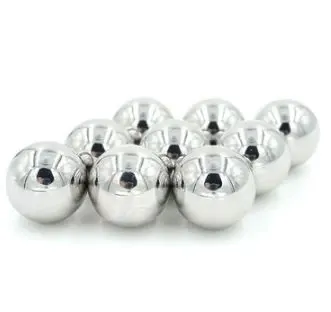
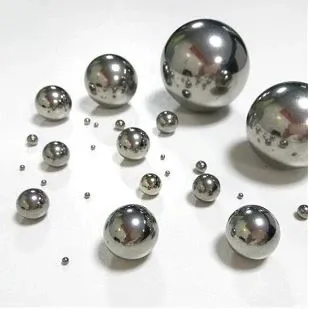
Another benefit of steel balls is their low friction coefficient. This means that they can roll smoothly with minimal resistance, reducing energy loss and improving the efficiency of the equipment. In sports such as cycling and fitness training, where energy conservation is crucial, the use of low-friction steel ball bearings can make a significant difference in performance. Additionally, the reduced friction also helps to prevent wear and tear on the equipment, extending its lifespan and reducing maintenance costs.
Steel balls also offer excellent corrosion resistance, especially when made from stainless steel. This is particularly important in sports equipment that is exposed to moisture, such as outdoor bicycles or swimming pool equipment. Stainless steel balls can resist rust and corrosion, ensuring that the equipment remains in good condition even in harsh environments. This not only improves the appearance of the equipment but also maintains its functionality and safety.
Types of Steel Balls for Sports Equipment
There are several types of steel balls available for sports equipment, each with its own unique properties and applications. The most common types include carbon steel balls, stainless steel balls, and metal balls.
Carbon Steel Ball are known for their high strength and hardness. They are often used in applications where high load capacity and wear resistance are required, such as in ball bearings for heavy-duty fitness equipment or industrial sports machinery. Carbon steel balls can be heat-treated to further enhance their hardness and durability, making them suitable for demanding applications.
Stainless Steel Ball are highly corrosion-resistant, making them ideal for sports equipment that is exposed to moisture or harsh environments. They are commonly used in outdoor sports gear, such as bicycles, golf clubs, and swimming pool equipment. Stainless steel balls also offer good strength and wear resistance, making them a versatile choice for a wide range of applications.
Metal Ball are a general term that encompasses various types of steel balls, including carbon steel and stainless steel balls. They are available in a wide range of sizes and grades, allowing for customization to meet the specific requirements of different sports equipment. Metal balls can be used in a variety of applications, from ball bearings to weight adjustment in sports gear.
Impact on Performance and User Experience
The use of steel balls in sports equipment can have a significant impact on both performance and user experience. In terms of performance, the smooth operation and low friction provided by steel ball bearings can improve the efficiency and speed of the equipment. For example, in a bicycle, the use of high-quality ball bearings can reduce the energy required to pedal, allowing the rider to go faster and farther with less effort. In a golf club, the use of steel balls to adjust the weight distribution can improve the club's balance and swing weight, resulting in more accurate and powerful shots.
From a user experience perspective, the durability and reliability of steel balls can enhance the overall satisfaction of the user. Sports equipment that is made with high-quality steel balls is less likely to break down or malfunction, reducing the need for frequent repairs and replacements. This not only saves the user time and money but also provides peace of mind, knowing that their equipment is built to last. Additionally, the smooth and quiet operation of equipment with steel ball bearings can make the user experience more enjoyable, whether it's a quiet ride on a bicycle or a smooth workout on a fitness machine.
Conclusion
In conclusion, steel balls play a vital role in the performance of sports equipment. Their high strength, durability, low friction, and corrosion resistance make them an ideal choice for a wide range of applications, from ball bearings to weight adjustment. Whether you're a professional athlete or a casual sports enthusiast, the use of high-quality steel balls in your sports equipment can significantly enhance your performance and user experience.
As a steel ball supplier, I'm committed to providing the highest quality products and excellent customer service. If you're interested in learning more about our steel balls or have specific requirements for your sports equipment, please don't hesitate to contact us. We'd be happy to discuss your needs and provide you with the best solutions for your applications.
References
- Smith, J. (2020). The Role of Steel Balls in Sports Equipment. Sports Technology Journal, 15(2), 45-52.
- Johnson, A. (2019). Advancements in Steel Ball Technology for Sports Applications. Materials Science and Engineering, 35(3), 78-85.
- Brown, C. (2018). Impact of Steel Balls on the Performance and Durability of Sports Gear. Journal of Sports Engineering, 22(4), 67-74.