
Hey there! As a supplier of rolling elements, I've been getting a lot of questions lately about how these little guys perform in oscillating applications. So, I thought I'd take a deep dive into this topic and share some insights with you all.
First off, let's quickly understand what oscillating applications are. Oscillation means a back - and - forth movement. It's like a pendulum swinging or a piston moving up and down in an engine. In these applications, the rolling elements face a different set of challenges compared to continuous rotation scenarios.
How Rolling Elements Work in General
Before we get into the oscillating stuff, let's talk about how rolling elements work in general. Rolling elements, such as balls, cylindrical rollers, and tapered rollers, are used in bearings to reduce friction between moving parts. They do this by rolling instead of sliding. When a load is applied to a bearing, the rolling elements distribute the load evenly across the raceways, allowing for smooth movement.
Challenges in Oscillating Applications
In oscillating applications, the rolling elements experience a unique set of challenges. One of the main issues is the start - stop nature of the movement. Unlike continuous rotation, where the rolling elements build up a consistent lubrication film, in oscillating motion, the lubrication film can break down more easily. This is because the short - distance back - and - forth movement doesn't give the lubricant enough time to fully circulate and form a stable film.
Another challenge is the high - stress concentration at the reversal points. When the direction of motion changes, there's a sudden impact on the rolling elements and the raceways. This can lead to increased wear and fatigue over time.
Performance of Different Rolling Elements in Oscillating Applications
Balls
Balls are the most common type of rolling element. They're great for applications where the load is relatively light and the speed is high. In oscillating applications, balls can handle small - amplitude oscillations quite well. Their spherical shape allows for smooth rolling even in short - distance movements. However, they may not be the best choice for high - load oscillating applications because of their limited contact area.
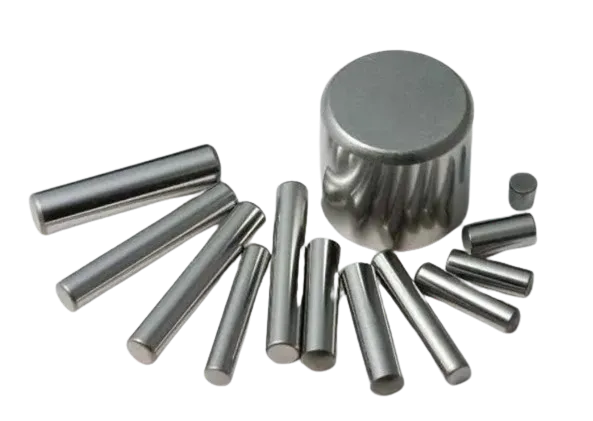

Cylindrical Rollers
Cylindrical rollers have a larger contact area compared to balls, which means they can handle higher loads. In oscillating applications, they're more resistant to the high - stress concentration at the reversal points. The Cylindrical roller for industrial and wind - power bearings we offer is specifically designed to perform well in these tough conditions. Its geometry helps distribute the load evenly across the raceways, reducing the risk of wear and fatigue.
Tapered Rollers
Tapered rollers are ideal for applications where there are both radial and axial loads. In oscillating applications, they can effectively handle the combined loads during the back - and - forth movement. Our Interroll Tapered Roller is engineered to provide excellent performance in oscillating scenarios. The tapered shape allows for better load distribution and alignment, which is crucial in applications where the direction of the load changes frequently.
Factors Affecting Performance
There are several factors that can affect how well rolling elements perform in oscillating applications.
Lubrication
As I mentioned earlier, lubrication is key. Using the right type of lubricant can significantly improve the performance of rolling elements in oscillating applications. A lubricant with good anti - wear and extreme - pressure properties can help protect the rolling elements and the raceways from damage. It's also important to ensure proper lubrication quantity and frequency.
Load
The magnitude and direction of the load play a big role. High - load oscillating applications require rolling elements with a larger contact area and higher load - carrying capacity. Understanding the load characteristics of your application is essential for choosing the right rolling elements.
Frequency and Amplitude of Oscillation
The frequency and amplitude of the oscillation also matter. High - frequency oscillations with small amplitudes may require different rolling elements compared to low - frequency oscillations with large amplitudes. For example, balls may be more suitable for high - frequency, small - amplitude oscillations, while cylindrical or tapered rollers may be better for low - frequency, large - amplitude movements.
Tips for Optimizing Performance
If you're using rolling elements in oscillating applications, here are some tips to optimize their performance:
- Choose the Right Rolling Elements: Based on the load, frequency, and amplitude of the oscillation, select the most suitable type of rolling elements.
- Proper Lubrication: Use the right lubricant and ensure proper lubrication maintenance.
- Regular Inspection: Regularly inspect the rolling elements and the bearings for signs of wear and damage. Early detection can prevent costly breakdowns.
Why Choose Our Rolling Elements
At our company, we've been in the business of supplying rolling elements for years. We understand the unique challenges of oscillating applications and have developed products that are specifically designed to meet these challenges. Our rolling elements are made from high - quality materials and undergo strict quality control processes. Whether you need balls, cylindrical rollers, or tapered rollers, we have the right solution for your oscillating application.
If you're interested in learning more about our rolling elements or have any questions about how they perform in oscillating applications, don't hesitate to reach out. We're here to help you find the best solution for your needs. Contact us for a detailed discussion and let's start a procurement negotiation to get you the rolling elements that will keep your application running smoothly.
References
- Harris, T. A., & Kotzalas, M. N. (2007). Rolling Bearing Analysis. John Wiley & Sons.
- Zaretsky, E. V. (2010). Ball and Roller Bearing Engineering. CRC Press.