
Rolling elements play a crucial role in a wide range of mechanical systems, from simple household appliances to complex industrial machinery. As a leading supplier of rolling elements, I have witnessed firsthand how these components interact with other parts of a system to ensure smooth and efficient operation. In this blog post, I will delve into the various ways rolling elements interact with other components in a system, exploring the science behind their functionality and the importance of proper selection and maintenance.
The Basics of Rolling Elements
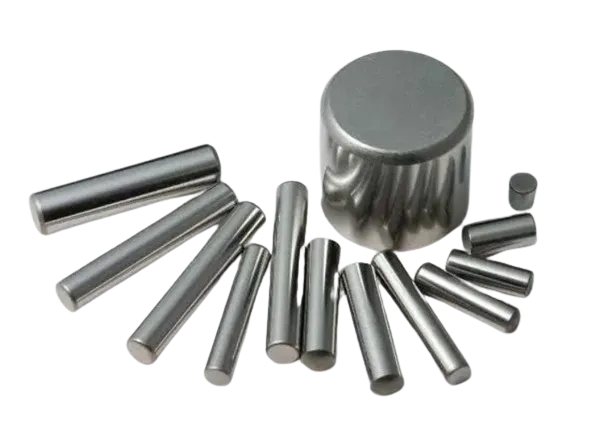
Before we dive into the interactions, let's first understand what rolling elements are. Rolling elements are components that reduce friction between moving parts by rolling instead of sliding. Common types of rolling elements include balls, rollers (such as cylindrical, tapered, and spherical rollers), and needles. These elements are typically used in bearings, which are devices that support and guide rotating or linear motion.
Interaction with Bearings
The most obvious interaction of rolling elements is with bearings. Bearings consist of an inner ring, an outer ring, and a set of rolling elements held in place by a cage. The rolling elements roll between the inner and outer rings, allowing the two rings to rotate relative to each other with minimal friction.
In a ball bearing, for example, the balls distribute the load evenly across the bearing surfaces. When a radial load is applied, the balls transfer the force from the inner ring to the outer ring, enabling smooth rotation. The design and material of the rolling elements are crucial in determining the bearing's load capacity, speed rating, and durability. For instance, high - quality steel balls can withstand heavy loads and high - speed rotations, making them suitable for industrial applications.
The cage in a bearing also interacts closely with the rolling elements. Its main function is to keep the rolling elements evenly spaced and prevent them from colliding with each other. A well - designed cage ensures that the rolling elements can move freely and maintain their proper position within the bearing, which is essential for reducing wear and noise.
Interaction with Shafts and Housings
Rolling elements, through the bearings they are part of, interact with shafts and housings. The inner ring of a bearing is usually mounted on a shaft, and the outer ring is installed in a housing. When the shaft rotates, the rolling elements within the bearing allow the shaft to turn smoothly within the housing.
The fit between the bearing and the shaft/housing is critical. An improper fit can lead to excessive stress on the rolling elements, causing premature wear or failure. For example, if the inner ring of the bearing is too loose on the shaft, it may slip, resulting in uneven loading on the rolling elements. On the other hand, an overly tight fit can cause the bearing to deform, restricting the movement of the rolling elements and increasing friction.
Interaction in Gear Systems
In gear systems, rolling elements can also play an important role. Bearings with rolling elements are often used to support the shafts on which gears are mounted. This allows the gears to rotate smoothly and transfer power efficiently. The rolling elements in these bearings help reduce the friction between the rotating shafts and the stationary parts of the gearbox, minimizing energy losses.
Moreover, the smooth operation of the rolling elements ensures that the gears maintain proper alignment. Misaligned gears can cause uneven wear on the gear teeth and the rolling elements in the supporting bearings. By providing stable support for the shafts, the rolling elements contribute to the overall reliability and performance of the gear system.
Interaction in Conveyor Systems
Conveyor systems are another area where rolling elements interact with other components. For example, in a belt conveyor, rollers are used to support the conveyor belt. These rollers can be considered as a type of rolling element. They reduce the friction between the belt and the supporting structure, allowing the belt to move smoothly.
The quality of the rolling elements in conveyor rollers is essential for the efficiency of the conveyor system. High - precision rollers with well - designed rolling elements can reduce the power consumption of the conveyor by minimizing friction. Additionally, they can extend the lifespan of the conveyor belt by providing a smooth and stable surface for it to run on.
Importance of Compatibility
When selecting rolling elements for a system, compatibility with other components is of utmost importance. Different applications require different types of rolling elements based on factors such as load, speed, and operating environment. For example, in high - temperature applications, special materials may be needed for the rolling elements to prevent thermal expansion and deformation.
It is also important to consider the compatibility between the rolling elements and the lubricant used in the system. The lubricant helps reduce friction and wear between the rolling elements and other components. However, not all lubricants are suitable for all types of rolling elements. Some lubricants may react with the material of the rolling elements, causing corrosion or other damage.
Maintenance and Monitoring
Proper maintenance and monitoring of the interaction between rolling elements and other components are essential for the long - term performance of the system. Regular lubrication of the rolling elements is necessary to ensure smooth operation and prevent wear. Over time, the lubricant may break down or become contaminated, which can affect the performance of the rolling elements.
In addition, monitoring the condition of the rolling elements and other components can help detect potential problems early. Techniques such as vibration analysis and temperature monitoring can be used to identify abnormal behavior of the rolling elements, such as excessive wear or misalignment. By taking proactive measures based on the monitoring results, the system can be kept in optimal condition, reducing the risk of unexpected breakdowns.
Our Products and Their Applications
As a supplier of rolling elements, we offer a wide range of products to meet the diverse needs of different industries. Our Interroll Tapered Roller is designed for applications that require high - load capacity and precise alignment. These tapered rollers are widely used in automotive transmissions, industrial machinery, and heavy - duty equipment.
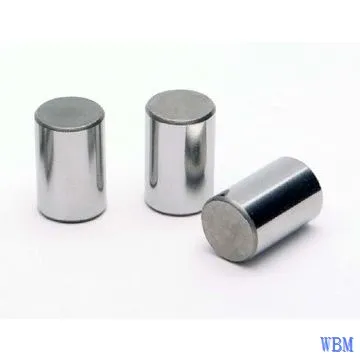
Our Cylindrical roller for industrial and wind - power bearings is another popular product. With its high - precision design and excellent material properties, it is suitable for high - speed and high - load applications in industrial and wind - power sectors. These cylindrical rollers can withstand the harsh operating conditions in wind turbines, ensuring reliable and efficient power generation.
Conclusion
In conclusion, rolling elements interact with other components in a system in multiple ways, and their proper selection, installation, and maintenance are crucial for the overall performance and reliability of the system. Whether it is in bearings, shafts, housings, gear systems, or conveyor systems, rolling elements play a vital role in reducing friction, supporting loads, and enabling smooth motion.
If you are in need of high - quality rolling elements for your application, we are here to help. Our team of experts can assist you in selecting the most suitable rolling elements based on your specific requirements. Contact us today to start a discussion about your needs and explore how our products can enhance the performance of your system.
References
- Harris, T. A., & Kotzalas, M. N. (2007). Rolling Bearing Analysis. Wiley.
- Zorzi, C., & Giacopini, A. (2012). Rolling Element Bearings: Fatigue Life Prediction under Multiaxial Loading. Springer.
- ASME Standards on Rolling Bearings. American Society of Mechanical Engineers.