
Rolling elements, such as balls, rollers, and needles, are fundamental components in a wide range of mechanical systems. As a supplier of rolling elements, I have witnessed firsthand how these small yet crucial parts can significantly impact the reliability of a product. In this blog post, I will delve into the various ways in which rolling elements influence product reliability, drawing on industry knowledge and real - world examples.
1. Reducing Friction and Wear
One of the primary functions of rolling elements is to reduce friction between moving parts. In a traditional sliding contact, the friction force can be quite high, leading to rapid wear and energy loss. Rolling elements, on the other hand, transform the sliding motion into a rolling motion. For instance, in a ball bearing, the balls roll between the inner and outer races, minimizing the contact area and thus reducing friction.
Lower friction not only improves the efficiency of the system but also extends the lifespan of the components. When there is less friction, there is less heat generated. Excessive heat can cause material deformation, lubricant degradation, and ultimately, premature failure of the product. By using high - quality rolling elements, we can ensure that the frictional forces are kept to a minimum, enhancing the overall reliability of the product.
Our Interroll Tapered Roller is designed with precision to provide smooth rolling action. The tapered shape allows for better load distribution and reduced friction, making it an ideal choice for applications where high reliability is required, such as in heavy - duty machinery.
2. Load Distribution
Rolling elements play a crucial role in distributing loads evenly across the bearing or the mechanical system. In a well - designed bearing, the rolling elements share the load, preventing excessive stress on any single point. This is particularly important in applications where high loads are involved, such as in industrial machinery, automotive engines, and aerospace components.
For example, cylindrical rollers are often used in applications where radial loads are predominant. Our Cylindrical roller for industrial and wind - power bearings is engineered to handle large radial loads effectively. The cylindrical shape provides a large contact area with the races, allowing the load to be distributed over a wider surface. This even load distribution reduces the risk of localized wear and fatigue, which can lead to bearing failure and compromise the reliability of the entire system.
3. Precision and Tolerance
The precision and tolerance of rolling elements are critical factors in determining the reliability of a product. High - precision rolling elements are manufactured to very tight tolerances, ensuring that they fit perfectly within the bearing or the mechanical assembly. This precise fit is essential for maintaining the alignment of the components and reducing vibration.
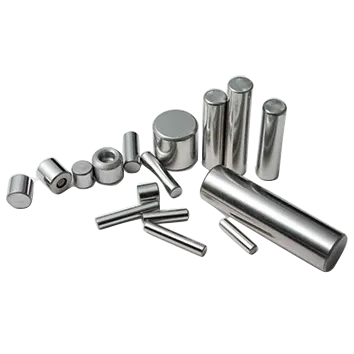
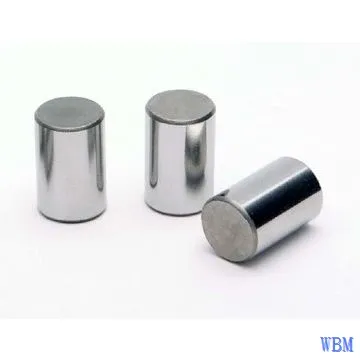
Vibration can cause a variety of problems in a mechanical system, including noise, accelerated wear, and even structural damage. By using rolling elements with high precision and tight tolerances, we can minimize vibration and ensure smooth operation. Our manufacturing processes are designed to produce rolling elements with extremely high precision, meeting the strictest industry standards.
4. Material Selection
The choice of material for rolling elements is another key factor that affects product reliability. Different materials have different properties, such as hardness, toughness, and corrosion resistance. For example, steel is a commonly used material for rolling elements due to its high strength and good wear resistance. However, in some applications where corrosion is a concern, such as in marine or food - processing environments, stainless steel or ceramic materials may be more suitable.
Ceramic rolling elements, for instance, offer several advantages over traditional steel elements. They are lighter, harder, and more resistant to corrosion and high - temperature environments. These properties make them ideal for applications where high reliability is required under extreme conditions, such as in high - speed bearings or in aerospace applications.
5. Lubrication and Contamination Resistance
Rolling elements rely on proper lubrication to function effectively. Lubrication reduces friction, dissipates heat, and protects the surfaces of the rolling elements and the races from wear and corrosion. As a supplier, we understand the importance of providing rolling elements that are compatible with different types of lubricants.
In addition to lubrication, contamination resistance is also crucial for product reliability. Contaminants such as dust, dirt, and moisture can enter the bearing and cause damage to the rolling elements and the races. Our rolling elements are designed with features that help prevent contamination, such as seals and shields. These protective features ensure that the internal components of the bearing remain clean and lubricated, extending the service life of the product.
6. Impact on Product Maintenance
The reliability of rolling elements can also have a significant impact on product maintenance. High - quality rolling elements that are designed for long - term use can reduce the frequency of maintenance and replacement. This not only saves time and money but also minimizes downtime, which is crucial for many industries.
For example, in a manufacturing plant, a breakdown of a critical machine due to bearing failure can result in significant production losses. By using reliable rolling elements, the risk of such breakdowns can be greatly reduced, allowing the plant to operate more efficiently.
7. Real - World Examples
To illustrate the impact of rolling elements on product reliability, let's consider a few real - world examples. In the automotive industry, the reliability of the engine and transmission systems depends heavily on the performance of the rolling elements in the bearings. A failure of a bearing in the engine can lead to catastrophic damage and expensive repairs. By using high - quality rolling elements, automotive manufacturers can ensure the long - term reliability of their vehicles.
In the wind - power industry, the reliability of wind turbines is crucial for maximizing energy production. The bearings in the gearbox and the generator are subject to high loads and harsh environmental conditions. Our Cylindrical roller for industrial and wind - power bearings has been proven to provide reliable performance in these demanding applications, helping to reduce maintenance costs and increase the lifespan of the wind turbines.
8. Conclusion
In conclusion, rolling elements have a profound impact on the reliability of a product. From reducing friction and wear to distributing loads evenly, from precision manufacturing to proper material selection, every aspect of rolling element design and production plays a crucial role in ensuring the long - term performance of a mechanical system.
As a supplier of rolling elements, we are committed to providing our customers with the highest - quality products that meet their specific requirements. Whether you are in the automotive, industrial, aerospace, or any other industry, we have the expertise and the products to help you improve the reliability of your products.
If you are interested in learning more about our rolling elements or would like to discuss your specific needs, please feel free to contact us. We are ready to assist you in finding the best solutions for your applications and look forward to the opportunity to engage in a procurement discussion with you.
References
- Harris, T. A., & Kotzalas, M. N. (2007). Rolling Bearing Analysis. Wiley.
- Gupta, P. K. (2002). Ball and Roller Bearing Engineering. CRC Press.
- Zaretsky, E. V. (1998). Rolling - Element Bearing Fatigue Life Prediction. CRC Press.