
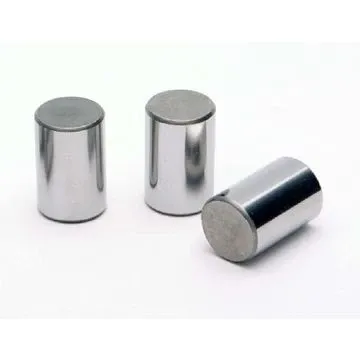
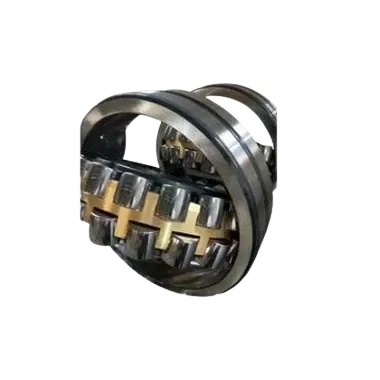
Gravity taper rollers are a specialized type of roller that plays a crucial role in various industrial applications. As a supplier of gravity taper rollers, I have witnessed firsthand the unique advantages they offer when compared to other types of rollers. In this blog post, I will delve into a detailed comparison between gravity taper rollers and other common roller types, such as the Interroll Tapered Roller Interroll Tapered Roller, Spherical Roller Spherical Roller, and Cross Roller Cross Roller.
1. Structural Design
The structural design of a roller significantly impacts its performance. Gravity taper rollers have a conical shape, which is a key differentiator. This tapered design allows for smooth and efficient movement along a curved path. When goods are placed on a conveyor system using gravity taper rollers, the conical shape helps to guide the items naturally towards a specific direction, especially useful in sorting and diverting applications.
In contrast, the Interroll Tapered Roller, as the name suggests, also has a tapered design. However, the manufacturing process and the specific taper angle may vary. Interroll Tapered Rollers are often engineered for high - precision applications in conveyor systems. Their design focuses on providing consistent and reliable performance in continuous operation.
Spherical rollers, on the other hand, have a spherical outer surface. This design enables them to accommodate misalignment and angular deflection. They are suitable for applications where the shaft or the mounting surface may not be perfectly aligned. The spherical shape allows the roller to self - adjust, reducing stress on the bearing and increasing the overall lifespan of the system.
Cross rollers consist of cylindrical rollers arranged in a cross - pattern. This design provides high rigidity and load - carrying capacity. Cross rollers are commonly used in applications that require precise linear motion, such as in machine tools and automation equipment.
2. Load - Carrying Capacity
Load - carrying capacity is an important factor to consider when choosing a roller. Gravity taper rollers are designed to handle a moderate to high load. The tapered shape distributes the load evenly across the surface of the roller, reducing the stress concentration at any single point. This makes them suitable for applications where relatively heavy items need to be transported, such as in logistics and warehousing.
The Interroll Tapered Roller also has a good load - carrying capacity. Their advanced design and high - quality materials ensure that they can withstand continuous heavy - duty operation. They are often used in large - scale conveyor systems in industries like automotive manufacturing and food processing.
Spherical rollers are known for their ability to handle both radial and axial loads simultaneously. The spherical shape allows them to distribute the load over a larger area, making them suitable for applications with complex load conditions. For example, in wind turbines, spherical rollers can handle the combined radial and axial forces generated by the rotating blades.
Cross rollers have an extremely high load - carrying capacity in the radial direction. The cross - pattern arrangement of the cylindrical rollers provides a large contact area with the raceway, enabling them to support heavy loads. They are often used in precision machinery where high - load and high - precision movement are required.
3. Friction and Efficiency
Friction is a critical factor that affects the efficiency of a roller system. Gravity taper rollers are designed to minimize friction. The smooth surface of the tapered roller and the proper lubrication ensure that the items can move freely along the conveyor. The natural guiding effect of the tapered shape also reduces the need for additional guiding mechanisms, further improving the overall efficiency of the system.
The Interroll Tapered Roller is engineered to have low friction as well. Their high - quality materials and precise manufacturing process result in a smooth rolling surface. This low - friction design helps to reduce energy consumption and increase the lifespan of the conveyor system.
Spherical rollers typically have a relatively low coefficient of friction. The spherical shape allows for smooth rolling, even under misaligned conditions. However, in some cases, the self - adjusting mechanism may introduce a small amount of additional friction compared to other types of rollers.
Cross rollers generally have a low friction coefficient in the direction of motion. The cross - pattern arrangement ensures that the rollers roll smoothly without excessive sliding. However, the high - precision nature of cross - roller systems may require more careful maintenance to keep the friction at a minimum.
4. Application Scope
Gravity taper rollers are widely used in gravity - fed conveyor systems. They are ideal for applications such as sorting, diverting, and accumulation of goods in warehouses, distribution centers, and postal services. The natural guiding effect of the tapered rollers simplifies the design of the conveyor system and reduces the need for complex control mechanisms.
The Interroll Tapered Roller is commonly used in industrial conveyor systems. Their high - precision and reliable performance make them suitable for applications in industries such as automotive, electronics, and food processing. They are often used in high - speed conveyor lines where consistent and efficient operation is required.
Spherical rollers are mainly used in applications where misalignment is a concern. They are commonly found in heavy - duty machinery, such as mining equipment, construction machinery, and power generation equipment. The ability to handle misalignment and complex loads makes them indispensable in these industries.
Cross rollers are primarily used in precision linear motion applications. They are commonly used in machine tools, robotics, and semiconductor manufacturing equipment. The high rigidity and load - carrying capacity of cross rollers ensure precise and stable movement in these high - precision applications.
5. Cost - Effectiveness
Cost - effectiveness is an important consideration for any business. Gravity taper rollers offer a good balance between performance and cost. Their relatively simple design and manufacturing process make them more affordable compared to some other types of rollers. They are a cost - effective solution for many medium - scale logistics and warehousing applications.
The Interroll Tapered Roller, due to its high - precision manufacturing and advanced design, may be more expensive than gravity taper rollers. However, the long - term reliability and efficiency they provide often justify the higher cost, especially in large - scale industrial applications.
Spherical rollers can be relatively expensive due to their complex design and the need for high - quality materials. However, their ability to handle complex load conditions and misalignment can save costs in the long run by reducing equipment downtime and maintenance requirements.
Cross rollers are also on the higher end of the cost spectrum. Their high - precision manufacturing and the need for tight tolerances contribute to the higher cost. However, in applications where high - precision and high - load performance are critical, the cost is often considered a necessary investment.
6. Maintenance Requirements
Maintenance is an important aspect of any roller system. Gravity taper rollers are relatively easy to maintain. Regular cleaning and lubrication are usually sufficient to keep them in good working condition. The simple design also makes it easy to replace individual rollers if necessary.
The Interroll Tapered Roller requires regular maintenance to ensure its long - term performance. This includes checking for wear and tear, lubricating the rollers, and inspecting the conveyor system for any signs of misalignment. However, the high - quality construction of Interroll Tapered Rollers means that they generally have a longer maintenance interval compared to some other types of rollers.
Spherical rollers may require more frequent inspection due to their complex load - handling capabilities. The spherical shape and the self - adjusting mechanism need to be checked regularly to ensure that they are functioning properly. Lubrication is also crucial to prevent excessive wear and tear.
Cross rollers require very precise maintenance. The high - precision nature of the cross - pattern arrangement means that any misalignment or contamination can significantly affect their performance. Regular cleaning, lubrication, and alignment checks are essential to keep cross rollers in optimal condition.
Conclusion
In conclusion, gravity taper rollers have their own unique advantages when compared to other types of rollers such as the Interroll Tapered Roller, Spherical Roller, and Cross Roller. They are a cost - effective and efficient solution for many logistics and warehousing applications, offering good load - carrying capacity, low friction, and easy maintenance.
However, the choice of roller ultimately depends on the specific requirements of the application. If high - precision and continuous heavy - duty operation are required, the Interroll Tapered Roller may be a better choice. For applications with complex load conditions and misalignment, spherical rollers are more suitable. And for high - precision linear motion applications, cross rollers are the preferred option.
If you are looking for reliable gravity taper rollers for your business, I encourage you to contact me for more information and to discuss your specific needs. We can work together to find the best solution for your application.
References
- "Rolling Bearing Handbook", SKF Group
- "Conveyor Systems Design Manual", Christopher J. Hendrickson