
Hey there! I'm a supplier of taper rollers, and today I'm super excited to take you behind the scenes and show you how these nifty little components are manufactured. Taper rollers are pretty crucial in a whole bunch of industries, from automotive to heavy machinery. So, let's dive right in!
The Basics of Taper Rollers
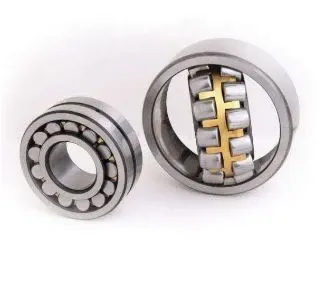
First off, what exactly are taper rollers? Well, they're these cone - shaped rolling elements that are used in tapered roller bearings. These bearings are designed to handle both radial and axial loads, which makes them super versatile. You can find them in all sorts of applications, like car axles, industrial conveyor systems, and even in some high - end consumer products.
There are different types of rollers in the market, like the Interroll Tapered Roller and Spherical Roller. But today, we're focusing on how our taper rollers are made.
Step 1: Material Selection
The very first step in manufacturing taper rollers is choosing the right material. We usually go for high - quality bearing steel, which has excellent hardness, toughness, and wear resistance. This steel is specifically formulated to withstand the high stresses and loads that taper rollers experience during operation.
The steel comes in the form of bars or rods, and we carefully inspect each batch to make sure it meets our strict quality standards. Any material that doesn't measure up is sent back. After all, the quality of the final product depends heavily on the quality of the raw material.
Step 2: Cutting the Blanks
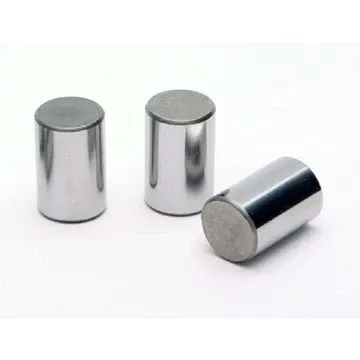
Once we've got the right steel, it's time to cut it into blanks. We use precision cutting machines to slice the steel bars into small, cylindrical pieces. These blanks are the starting point for our taper rollers. The size and dimensions of the blanks are carefully calculated based on the specifications of the final taper roller.
The cutting process is really important because any inaccuracies at this stage can lead to problems later on. We use advanced cutting tools and techniques to ensure that each blank is cut to the exact size and shape we need.
Step 3: Forming the Taper
Now comes the fun part - forming the taper. We use special forging or machining processes to shape the blanks into the characteristic cone - shape of taper rollers.
In the forging process, we heat the blanks to a high temperature and then use a forging press to deform them into the right shape. This process not only gives the rollers their taper but also improves their internal structure, making them stronger and more durable.
Alternatively, we can use machining processes like turning and grinding. Turning involves rotating the blank on a lathe and using cutting tools to remove material and create the taper. Grinding, on the other hand, is used to achieve a very smooth and precise surface finish. We follow the Taper Roller Disign guidelines to ensure that the taper angle and dimensions are just right.
Step 4: Heat Treatment
After the rollers are formed, they go through a heat treatment process. This is a critical step that helps to improve the hardness, strength, and wear resistance of the rollers.
We heat the rollers to a specific temperature and then cool them down at a controlled rate. This process, called quenching and tempering, changes the internal structure of the steel, making it harder and more resistant to deformation.
The heat treatment process is closely monitored to ensure that the rollers achieve the desired mechanical properties. Any variations in temperature or cooling rate can affect the quality of the rollers, so we use state - of - the - art equipment to keep everything in check.
Step 5: Machining and Finishing
Once the heat treatment is done, the rollers are ready for some final machining and finishing touches. We use grinding machines to further refine the shape and surface finish of the rollers. This helps to ensure that they have a smooth, uniform surface, which is essential for reducing friction and wear in the bearing.
We also perform some additional operations like chamfering and deburring to remove any sharp edges or burrs from the rollers. This not only makes the rollers safer to handle but also improves their performance in the bearing.
Step 6: Quality Control
Quality control is a big deal in our manufacturing process. We have a whole team of quality control experts who inspect every single taper roller before it leaves our factory.
We use a variety of inspection methods, including dimensional measurement, hardness testing, and surface finish analysis. Any roller that doesn't meet our quality standards is rejected. We take pride in our products, and we want to make sure that our customers get only the best.
Step 7: Packaging and Shipping
Once the rollers pass the quality control checks, they're ready to be packaged. We use special packaging materials to protect the rollers during transportation. The packaging is designed to prevent any damage or contamination, so the rollers arrive at our customers' facilities in perfect condition.
We then ship the rollers to our customers all over the world. We work with reliable shipping partners to ensure that the delivery is fast and efficient.
Why Choose Our Taper Rollers?
Now, you might be wondering why you should choose our taper rollers over others in the market. Well, there are a few reasons. First of all, we have a long - standing reputation for quality. Our strict quality control measures ensure that every taper roller we produce is of the highest standard.
Secondly, we offer competitive pricing. We understand that cost is an important factor for our customers, so we strive to keep our prices reasonable without compromising on quality.
Finally, we have excellent customer service. Our team is always ready to answer your questions and provide you with the support you need. Whether you're looking for technical advice or need help with an order, we're here for you.
If you're in the market for high - quality taper rollers, I'd love to talk to you. We can discuss your specific requirements and see how we can meet them. Don't hesitate to reach out if you're interested in starting a procurement discussion. We're ready to work with you to find the perfect taper roller solution for your needs.
References
- "Bearing Steel Handbook"
- Industry standards for taper roller manufacturing
So, that's a wrap on how taper rollers are manufactured. I hope you found this blog interesting and informative. If you have any questions or comments, feel free to leave them below!