
Steel balls are fundamental components in the automotive industry, playing crucial roles in various applications that ensure the smooth, efficient, and reliable operation of vehicles. As a dedicated steel ball supplier, I've witnessed firsthand the diverse and essential functions these small yet mighty components serve in automotive systems. In this blog post, I'll delve into the different ways steel balls are used in automotive applications, highlighting their importance and the specific types of steel balls that are commonly employed.
Transmission Systems
One of the primary areas where steel balls are used in automotive applications is in transmission systems. Transmissions are responsible for transferring power from the engine to the wheels, allowing the vehicle to move at different speeds and in different directions. Steel balls are used in both manual and automatic transmissions, serving several key functions.
In manual transmissions, steel balls are used in the synchronizer mechanism. Synchronizers are responsible for matching the speed of the gears before they are engaged, ensuring smooth and precise shifting. The steel balls in the synchronizer mechanism help to transmit the force from the shift fork to the synchronizer ring, allowing it to engage the gear smoothly. This reduces wear and tear on the gears and ensures a longer lifespan for the transmission.
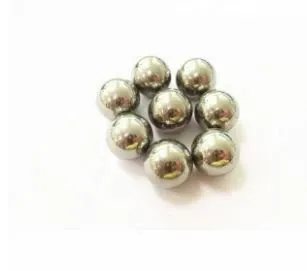
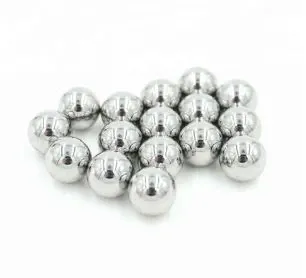
In automatic transmissions, steel balls are used in the valve body. The valve body is a complex network of valves and passages that control the flow of hydraulic fluid within the transmission. Steel balls are used as check valves, preventing the backflow of hydraulic fluid and ensuring that the transmission operates smoothly. These check valves are critical for maintaining the proper pressure and flow of hydraulic fluid, which is essential for the proper operation of the transmission.
Steering Systems
Another important application of steel balls in the automotive industry is in steering systems. Steering systems are responsible for controlling the direction of the vehicle, allowing the driver to turn the wheels left or right. Steel balls are used in several components of the steering system, including the steering gearbox and the tie rod ends.
In the steering gearbox, steel balls are used in the ball screw mechanism. The ball screw mechanism is a type of linear actuator that converts rotational motion into linear motion. Steel balls are used between the screw and the nut, reducing friction and allowing for smooth and precise movement. This mechanism is commonly used in power steering systems, where it helps to amplify the driver's steering input and make it easier to turn the wheels.
In the tie rod ends, steel balls are used in the ball joint. The ball joint is a flexible joint that allows the steering linkage to move up and down and side to side. Steel balls are used in the ball joint to provide a smooth and durable connection between the tie rod and the steering knuckle. This connection is critical for maintaining the proper alignment of the wheels and ensuring that the vehicle steers correctly.
Suspension Systems
Suspension systems are responsible for providing a smooth and comfortable ride, as well as maintaining the stability and handling of the vehicle. Steel balls are used in several components of the suspension system, including the shock absorbers and the control arms.
In shock absorbers, steel balls are used in the damping mechanism. The damping mechanism is responsible for controlling the movement of the shock absorber, ensuring that it absorbs the energy from bumps and vibrations in the road. Steel balls are used in the damping mechanism to provide a precise and consistent damping force, which helps to improve the ride quality and handling of the vehicle.
In control arms, steel balls are used in the ball joint. Similar to the ball joint in the steering system, the ball joint in the control arm allows the control arm to move up and down and side to side. Steel balls are used in the ball joint to provide a smooth and durable connection between the control arm and the steering knuckle or the suspension upright. This connection is critical for maintaining the proper alignment of the wheels and ensuring that the vehicle handles correctly.
Braking Systems
Braking systems are responsible for slowing down and stopping the vehicle, ensuring the safety of the driver and passengers. Steel balls are used in several components of the braking system, including the brake calipers and the brake master cylinder.
In brake calipers, steel balls are used in the piston assembly. The piston assembly is responsible for applying pressure to the brake pads, which in turn press against the brake rotor to slow down or stop the vehicle. Steel balls are used in the piston assembly to provide a smooth and consistent force, ensuring that the brake pads apply even pressure to the brake rotor. This helps to improve the braking performance and reliability of the vehicle.
In the brake master cylinder, steel balls are used as check valves. The brake master cylinder is responsible for generating the hydraulic pressure that is used to operate the brakes. Steel balls are used as check valves to prevent the backflow of hydraulic fluid, ensuring that the brakes operate smoothly and reliably. These check valves are critical for maintaining the proper pressure and flow of hydraulic fluid, which is essential for the proper operation of the braking system.
Types of Steel Balls Used in Automotive Applications
There are several types of steel balls that are commonly used in automotive applications, each with its own unique properties and characteristics. The most common types of steel balls used in the automotive industry include carbon steel balls, chrome steel balls, and stainless steel balls.
Carbon steel balls are the most commonly used type of steel balls in automotive applications. They are made from high-quality carbon steel, which provides excellent hardness and wear resistance. Carbon steel balls are relatively inexpensive and are suitable for a wide range of applications, including transmission systems, steering systems, suspension systems, and braking systems.
Chrome steel balls are another popular type of steel balls used in automotive applications. They are made from high-quality chrome steel, which provides excellent hardness, wear resistance, and corrosion resistance. Chrome steel balls are more expensive than carbon steel balls but are suitable for applications that require higher performance and durability, such as high-performance engines and transmissions.
Stainless steel balls are used in automotive applications where corrosion resistance is a critical factor. They are made from high-quality stainless steel, which provides excellent corrosion resistance and is suitable for use in harsh environments, such as marine applications and off-road vehicles. Stainless steel balls are more expensive than carbon steel and chrome steel balls but are essential for applications where corrosion resistance is a must. You can explore our Stainless Steel Ball options for more details.
In addition to these common types of steel balls, there are also specialized steel balls that are used in specific automotive applications. For example, Din 5401 Steel Ball conform to specific standards and are often used in applications that require precise dimensions and high-quality materials. You can also find our Din 5401 Steel Ball factory information for more insights into our manufacturing capabilities.
Conclusion
Steel balls are essential components in the automotive industry, playing crucial roles in various applications that ensure the smooth, efficient, and reliable operation of vehicles. From transmission systems and steering systems to suspension systems and braking systems, steel balls are used in a wide range of components to provide smooth and precise movement, reduce friction, and ensure the proper operation of the vehicle.
As a steel ball supplier, I understand the importance of providing high-quality steel balls that meet the specific requirements of the automotive industry. We offer a wide range of steel balls, including carbon steel balls, chrome steel balls, and stainless steel balls, as well as specialized steel balls that are designed for specific automotive applications. Our steel balls are manufactured to the highest standards of quality and precision, ensuring that they provide reliable performance and durability in even the most demanding automotive applications.
If you're in the automotive industry and are looking for a reliable steel ball supplier, I encourage you to contact us to discuss your specific requirements. We'll be happy to provide you with more information about our products and services and to help you find the right steel balls for your automotive applications.
References
- Automotive Engineering Handbook. Society of Automotive Engineers (SAE).
- Fundamentals of Vehicle Dynamics. Thomas D. Gillespie.
- Modern Automotive Technology. James D. Halderman.