
Stainless steel balls are essential components used in a wide range of industries, from automotive and aerospace to consumer goods and medical devices. As a leading supplier of stainless steel balls, I'm often asked about the manufacturing process behind these versatile products. In this blog post, I'll take you through the step-by-step journey of how stainless steel balls are manufactured, shedding light on the precision and expertise involved in creating these high-quality components.
Raw Material Selection
The manufacturing process of stainless steel balls begins with the careful selection of raw materials. Stainless steel is a popular choice due to its excellent corrosion resistance, high strength, and durability. Different grades of stainless steel are available, each with its own unique properties and applications. At our company, we source high-quality stainless steel rods or wires from trusted suppliers to ensure the integrity and performance of our products.
The most commonly used grades of stainless steel for ball manufacturing include 304 and 316. Grade 304 stainless steel is a versatile alloy that offers good corrosion resistance and mechanical properties, making it suitable for a wide range of applications. Grade 316 stainless steel, on the other hand, contains molybdenum, which enhances its corrosion resistance in harsh environments, such as marine and chemical applications.
Cold Heading
Once the raw materials have been selected, the next step is to shape them into ball blanks. This is typically done through a process called cold heading, which involves using a cold heading machine to compress the stainless steel rod or wire into a spherical shape. The cold heading machine consists of a series of dies and punches that work together to form the ball blank.
During the cold heading process, the stainless steel rod or wire is fed into the machine, where it is cut to the appropriate length. The cut piece is then placed in a die, and a punch is used to apply pressure to the material, forcing it to take on the shape of the die. This process is repeated multiple times to achieve the desired size and shape of the ball blank.
Cold heading is a highly efficient and cost-effective method of manufacturing ball blanks, as it allows for high production rates and minimal material waste. It also results in a ball blank with a smooth surface finish and precise dimensions, which is essential for the subsequent manufacturing processes.
Grinding and Polishing
After the ball blanks have been formed, they undergo a series of grinding and polishing operations to achieve the desired size, shape, and surface finish. Grinding is the process of removing excess material from the ball blank using abrasive wheels to improve its dimensional accuracy and surface finish. Polishing, on the other hand, is the process of smoothing and shining the surface of the ball using a polishing compound and a polishing wheel.
The grinding and polishing operations are typically carried out in multiple stages, each using a different grit size of abrasive wheel or polishing compound. This allows for a gradual improvement in the surface finish and dimensional accuracy of the ball. The final grinding and polishing stage is usually done using a fine grit abrasive wheel or polishing compound to achieve a mirror-like surface finish.
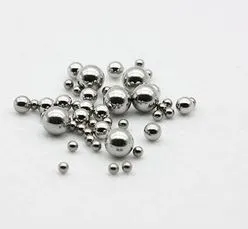
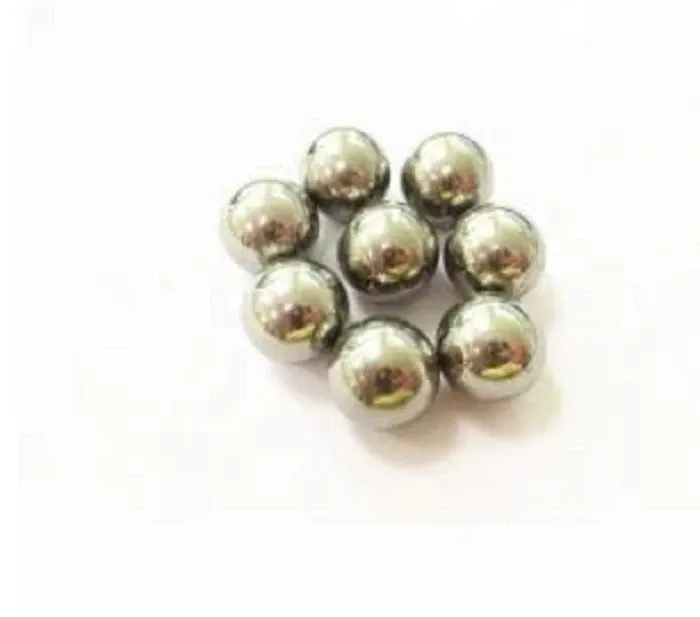
Grinding and polishing are critical steps in the manufacturing process of stainless steel balls, as they determine the final quality and performance of the product. A smooth surface finish and precise dimensions are essential for ensuring proper functioning of the ball in its intended application, such as reducing friction and wear in bearings or providing accurate measurement in gauges.
Heat Treatment
In some cases, stainless steel balls may undergo a heat treatment process to improve their mechanical properties, such as hardness and strength. Heat treatment involves heating the balls to a specific temperature and then cooling them at a controlled rate to achieve the desired microstructure and properties.
The most common heat treatment process used for stainless steel balls is quenching and tempering. Quenching involves heating the balls to a high temperature, typically above the critical temperature of the stainless steel, and then rapidly cooling them in a quenching medium, such as oil or water. This rapid cooling process causes the stainless steel to transform into a hard and brittle martensitic structure.
After quenching, the balls are tempered to reduce their brittleness and improve their toughness. Tempering involves heating the balls to a lower temperature, typically below the critical temperature of the stainless steel, and then holding them at that temperature for a specific period of time. This process allows the martensitic structure to transform into a more stable and ductile structure, which improves the mechanical properties of the balls.
Heat treatment is a complex and critical process that requires careful control of the heating and cooling rates to ensure the desired properties are achieved. It is typically carried out by a specialized heat treatment facility using advanced equipment and techniques.
Inspection and Quality Control
Throughout the manufacturing process, the stainless steel balls are subject to rigorous inspection and quality control measures to ensure that they meet the required specifications and standards. This includes visual inspection, dimensional inspection, and material testing.
Visual inspection involves examining the balls for any visible defects, such as cracks, pits, or surface imperfections. Dimensional inspection is carried out using precision measuring instruments, such as micrometers and calipers, to ensure that the balls meet the specified size and shape requirements. Material testing is used to verify the chemical composition and mechanical properties of the stainless steel, such as hardness, tensile strength, and corrosion resistance.
In addition to these inspections, we also conduct a series of performance tests on the stainless steel balls to ensure that they meet the requirements of our customers' applications. These tests may include wear testing, fatigue testing, and corrosion testing, among others.
Packaging and Shipping
Once the stainless steel balls have passed all the inspection and quality control measures, they are ready to be packaged and shipped to our customers. We use high-quality packaging materials to ensure that the balls are protected during transit and arrive at their destination in perfect condition.
Our packaging options include plastic bags, cardboard boxes, and wooden crates, depending on the size and quantity of the order. We also offer custom packaging solutions to meet the specific requirements of our customers.
We work with reliable shipping partners to ensure that the stainless steel balls are delivered to our customers in a timely and efficient manner. We offer a range of shipping options, including air freight, sea freight, and express delivery, to meet the needs of our customers' schedules and budgets.
Conclusion
In conclusion, the manufacturing process of stainless steel balls is a complex and precise operation that requires a combination of advanced technology, skilled labor, and strict quality control measures. From raw material selection to packaging and shipping, every step of the process is carefully monitored to ensure that the final product meets the highest standards of quality and performance.
As a leading supplier of stainless steel balls, we are committed to providing our customers with the highest quality products at competitive prices. We offer a wide range of stainless steel balls in various sizes, grades, and finishes to meet the diverse needs of our customers' applications. Whether you need Weldable Steel Balls, Din 5401 Steel Ball, or Precision Steel Balls, we have the expertise and resources to meet your requirements.
If you are interested in purchasing stainless steel balls for your application, please don't hesitate to contact us. Our team of experts will be happy to assist you with your inquiry and provide you with a competitive quote. We look forward to working with you and helping you find the perfect stainless steel balls for your needs.
References
- ASM Handbook, Volume 13A: Corrosion: Fundamentals, Testing, and Protection. ASM International, 2003.
- Metals Handbook, Volume 1: Properties and Selection: Irons, Steels, and High-Performance Alloys. ASM International, 1990.
- Tool and Manufacturing Engineers Handbook, Volume 4: Metal Cutting and Finishing. Society of Manufacturing Engineers, 1984.