
Hey there! I'm a supplier of Carbon Steel Balls, and I'm super excited to take you through the manufacturing process of these little wonders. Carbon steel balls are used in a wide range of industries, from automotive to aerospace, and even in our everyday household items. So, let's dive right in and see how these balls are made.
Starting with the Raw Materials
The first step in manufacturing carbon steel balls is selecting the right raw materials. Carbon steel is an alloy made primarily of iron and carbon, with small amounts of other elements like manganese, silicon, and sulfur. The quality of the raw material is crucial as it directly affects the properties of the final product.
We source high - quality carbon steel rods from trusted suppliers. These rods come in various diameters depending on the size of the balls we want to produce. The carbon content in the steel can vary, and we choose the appropriate grade based on the specific requirements of our customers. For example, if a customer needs balls with high hardness, we'll go for a steel grade with a higher carbon content.
Cutting the Rods
Once we have the carbon steel rods, the next step is to cut them into small pieces. We use precision cutting machines that can cut the rods into lengths that are just right for making the balls. The length of these pieces is calculated based on the desired diameter of the final ball.
The cutting process is important because it sets the foundation for the shape and size of the ball. Any inaccuracies in cutting can lead to balls that are out of spec, so we pay close attention to this step. After cutting, these small pieces are called blanks.
Forming the Balls
Now comes the exciting part - forming the blanks into balls. We use a process called cold heading or hot forging, depending on the size and properties of the balls we're making.
Cold Heading
For smaller carbon steel balls, cold heading is often the preferred method. In cold heading, the blanks are placed in a die, and a punch is used to apply high pressure. This pressure deforms the blank into a spherical shape. Cold heading is a fast and efficient process, and it can produce balls with a high level of precision. The advantage of cold heading is that it doesn't require heating the steel, which saves energy and reduces the risk of oxidation.
Hot Forging
For larger balls or balls that require specific mechanical properties, hot forging is used. In hot forging, the blanks are heated to a high temperature, usually above 1000°C. At this temperature, the steel becomes malleable, and it can be easily shaped into a ball. The heated blanks are then placed in a forging die, and a hammer or press is used to shape them. Hot forging can improve the internal structure of the steel, making the balls stronger and more durable.
Heat Treatment
After the balls are formed, they go through a heat treatment process. Heat treatment is essential as it can significantly improve the hardness, toughness, and wear resistance of the carbon steel balls.
The most common heat treatment processes for carbon steel balls are quenching and tempering. In quenching, the balls are heated to a specific temperature and then rapidly cooled by immersing them in a quenching medium, such as oil or water. This rapid cooling hardens the steel. However, quenching can also make the steel brittle. That's where tempering comes in.
In tempering, the quenched balls are heated to a lower temperature and held there for a certain period. This process reduces the brittleness of the steel and improves its toughness. The exact temperature and time for quenching and tempering depend on the grade of carbon steel and the desired properties of the balls.
Grinding and Polishing
Once the heat treatment is done, the balls are still a bit rough and may have some surface imperfections. To make them smooth and accurate, we use grinding and polishing processes.
Grinding
Grinding is used to remove any excess material and to achieve the desired size and roundness of the balls. We use grinding machines with abrasive wheels that can precisely shape the balls. The grinding process is carried out in multiple stages, with each stage using a finer abrasive to gradually improve the surface finish of the balls.
Polishing
After grinding, the balls go through a polishing process. Polishing gives the balls a smooth and shiny surface. We use polishing compounds and special polishing machines to achieve a high - quality finish. A polished surface not only looks good but also reduces friction, which is important in many applications, such as in bearings.
Quality Control
Quality control is a crucial part of the manufacturing process. We have a strict quality control system in place to ensure that every carbon steel ball we produce meets the highest standards.
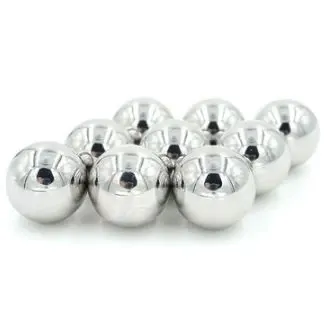
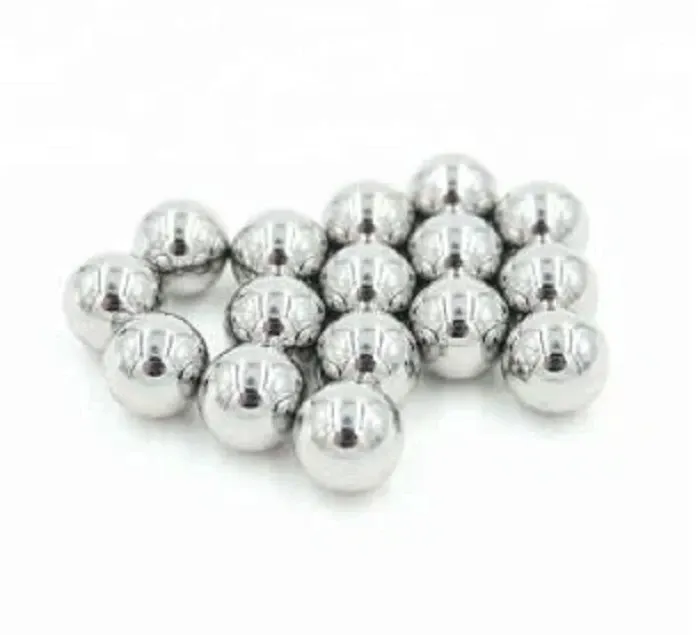
We use a variety of inspection methods, including dimensional inspection, hardness testing, and surface inspection. For dimensional inspection, we use precision measuring tools like calipers and micrometers to check the diameter, roundness, and other dimensions of the balls. Hardness testing is done using hardness testers to ensure that the balls have the right level of hardness. Surface inspection is carried out using optical microscopes to detect any surface cracks or other defects.
Any balls that don't meet our quality standards are rejected and recycled. This ensures that only the best - quality balls are sent to our customers.
Applications of Carbon Steel Balls
Carbon steel balls have a wide range of applications. They are commonly used in bearings, where they help reduce friction and support loads. In the automotive industry, carbon steel balls are used in steering systems, transmissions, and engines. They are also used in the aerospace industry for various components, such as landing gear and control systems.
In addition to industrial applications, carbon steel balls are used in some household items, like ballpoint pens and door locks. Their versatility and durability make them a popular choice in many different fields.
Comparing with Other Types of Steel Balls
While carbon steel balls are widely used, it's worth comparing them with other types of steel balls, such as Stainless Steel Ball and High Chrome Steel Balls.
Stainless steel balls are known for their corrosion resistance. They are made from stainless steel, which contains chromium and other elements that form a protective oxide layer on the surface. This makes them suitable for applications where corrosion is a concern, such as in marine environments or food processing industries.
High chrome steel balls, on the other hand, have a high chromium content, which gives them excellent hardness and wear resistance. They are often used in high - stress applications, such as in heavy - duty machinery and mining equipment.
Carbon steel balls, however, offer a good balance between cost and performance. They are more affordable than stainless steel and high chrome steel balls in many cases, and they still have good mechanical properties for a wide range of applications.
Conclusion
So, there you have it - the process of manufacturing carbon steel balls. It's a complex and precise process that involves multiple steps, from selecting the raw materials to quality control. As a Carbon Steel Ball supplier, we take pride in producing high - quality balls that meet the diverse needs of our customers.
If you're in the market for carbon steel balls or have any questions about our products, don't hesitate to reach out. We're always happy to discuss your requirements and find the best solutions for you. Whether you need a small quantity for a prototype or a large order for a production line, we've got you covered.
References
- ASM Handbook Volume 14A: Metalworking: Bulk Forming
- Machinery's Handbook, 31st Edition
- Journal of Materials Processing Technology