
Hey there! As a supplier of Metric Steel Balls, I often get asked about their corrosion resistance. It's a crucial question, especially for industries where steel balls are used in harsh environments. So, let's dive right in and explore whether metric steel balls have good corrosion resistance.
First off, it's important to understand that not all metric steel balls are created equal when it comes to corrosion resistance. There are different types of steel used to make these balls, and each has its own properties.
Carbon Steel Balls
Let's start with Carbon Steel Ball. Carbon steel is a common choice for making steel balls because it's relatively inexpensive and has good mechanical properties. However, when it comes to corrosion resistance, carbon steel doesn't fare too well. Carbon steel contains iron, and when exposed to oxygen and moisture, it forms rust. Rust is essentially iron oxide, and it can weaken the steel ball over time, leading to premature failure.
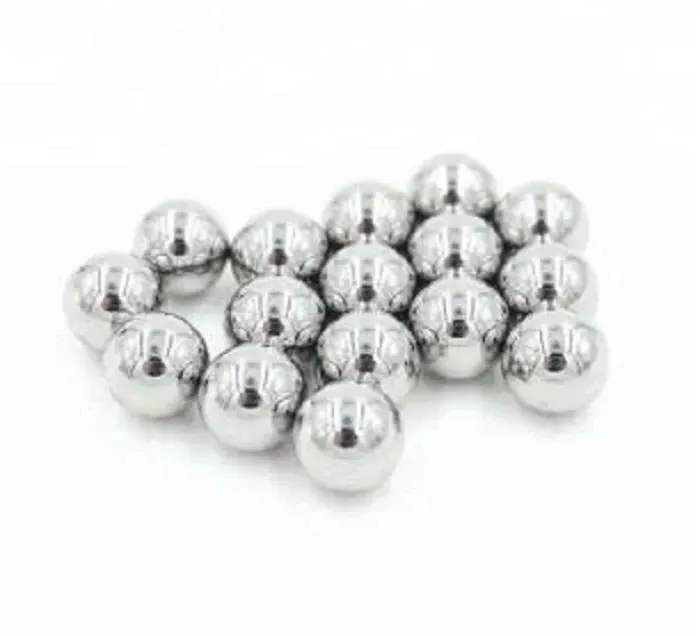
In environments where there's a lot of moisture, such as in marine applications or near bodies of water, carbon steel balls are not the best option. Even in indoor environments with high humidity, carbon steel balls can start to corrode. To improve their corrosion resistance, carbon steel balls can be coated with various substances like oil, paint, or zinc. These coatings act as a barrier between the steel and the corrosive environment, but they are not foolproof. Over time, the coating can wear off, leaving the steel exposed to corrosion.
Stainless Steel Balls
On the other hand, Stainless Steel Ball are known for their excellent corrosion resistance. Stainless steel contains chromium, which forms a thin, invisible layer of chromium oxide on the surface of the steel. This layer acts as a protective barrier, preventing oxygen and moisture from reaching the underlying steel and causing corrosion.
Stainless steel balls are highly resistant to rust and corrosion in a wide range of environments, including those with high humidity, exposure to chemicals, and even in saltwater. They are commonly used in applications where corrosion resistance is a top priority, such as in the food and beverage industry, medical equipment, and aerospace applications.
However, it's important to note that not all stainless steel is created equal. There are different grades of stainless steel, and some are more corrosion-resistant than others. For example, austenitic stainless steels, such as 304 and 316, are known for their excellent corrosion resistance in most environments. Grade 316 stainless steel, in particular, contains molybdenum, which further enhances its resistance to pitting and crevice corrosion, making it suitable for use in more aggressive environments like marine applications.
DIN 5401 Steel Balls
Din 5401 Steel Ball are another type of metric steel balls that are often used in various industries. DIN 5401 is a German standard that specifies the requirements for steel balls used in rolling bearings. These balls can be made from different types of steel, including carbon steel and stainless steel.
If DIN 5401 steel balls are made from carbon steel, their corrosion resistance will be similar to that of regular carbon steel balls. They will be prone to rusting in the presence of moisture and oxygen. However, if they are made from stainless steel, they will have the same excellent corrosion resistance as other stainless steel balls.
Factors Affecting Corrosion Resistance
Apart from the type of steel used, there are other factors that can affect the corrosion resistance of metric steel balls. One of the most important factors is the environment in which the balls are used. As mentioned earlier, environments with high humidity, exposure to chemicals, and saltwater are more corrosive than dry, clean environments.
The surface finish of the steel balls also plays a role in their corrosion resistance. A smooth surface finish is less likely to trap moisture and debris, which can lead to corrosion. Additionally, the presence of scratches or defects on the surface of the steel balls can provide sites for corrosion to start.
Another factor is the temperature. Higher temperatures can accelerate the corrosion process, especially in the presence of moisture and oxygen. In some cases, high temperatures can also cause the protective oxide layer on stainless steel to break down, reducing its corrosion resistance.
Testing and Quality Control
As a supplier of metric steel balls, we take corrosion resistance very seriously. We conduct various tests to ensure that our steel balls meet the required standards for corrosion resistance. One of the most common tests is the salt spray test, where the steel balls are exposed to a saltwater mist for a certain period of time. After the test, the balls are inspected for signs of corrosion.
We also have strict quality control measures in place to ensure that the steel used to make our balls is of high quality and has the appropriate composition. This helps to ensure that our steel balls have consistent corrosion resistance properties.
Conclusion
So, do metric steel balls have good corrosion resistance? Well, it depends on the type of steel used. Carbon steel balls generally have poor corrosion resistance and are prone to rusting, while stainless steel balls have excellent corrosion resistance and are suitable for use in a wide range of environments. DIN 5401 steel balls can have either good or poor corrosion resistance, depending on whether they are made from carbon steel or stainless steel.
If you're in need of metric steel balls with good corrosion resistance, I highly recommend considering stainless steel balls. They may be more expensive than carbon steel balls, but their long-term durability and performance make them a worthwhile investment.
If you're interested in purchasing metric steel balls, whether it's carbon steel, stainless steel, or DIN 5401 steel balls, feel free to reach out to us. We'd be happy to discuss your specific requirements and provide you with the best solution for your needs. Let's start a conversation about your metric steel ball requirements and see how we can help you.
References
- ASM Handbook, Volume 13A: Corrosion: Fundamentals, Testing, and Protection
- Corrosion Basics: An Introduction, NACE International
- Metals Handbook Desk Edition, Third Edition