
Hey there! As a Metal Ball supplier, I've spent a ton of time diving into the world of these little round wonders. One question that often pops up is, "Do metal balls have different magnetic properties?" Well, you bet they do! Let's take a deep - dive into this topic.
First off, it's important to understand that not all metals are magnetic. The most common magnetic metals are iron, nickel, and cobalt. When we're talking about metal balls, the type of metal they're made from plays a huge role in determining their magnetic properties.
Let's start with steel balls. Steel is an alloy mainly composed of iron and carbon, with some other elements thrown in for good measure. Most steel balls are magnetic because of the high iron content. For instance, Din 5401 Steel Ball is a popular type of steel ball. These balls are widely used in various industries, like automotive and machinery. Since they have a significant amount of iron, they are strongly attracted to magnets.
But not all steel balls are created equal. Some specialty steel balls, like Weldable Steel Balls, might have different magnetic characteristics. Weldable steel balls often have specific alloy compositions to make them suitable for welding. These additional elements can slightly alter their magnetic properties. Sometimes, the presence of non - magnetic elements in the alloy can reduce the overall magnetic strength of the ball.
Now, let's move on to non - steel metal balls. Take aluminum balls, for example. Aluminum is a non - magnetic metal. So, if you try to pick up an aluminum Metal Ball with a magnet, it's just not going to happen. These balls are used in applications where you don't want any magnetic interference, like in some electronic devices.
Copper balls are another example of non - magnetic metal balls. Copper has excellent electrical conductivity, which makes it a great choice for electrical components. And since it's non - magnetic, it won't cause any issues with magnetic fields in those applications.
Then there are stainless steel balls. Stainless steel is a bit of a tricky one. There are different types of stainless steel, and their magnetic properties can vary. Austenitic stainless steel, which is the most common type used for things like kitchenware, is generally non - magnetic. This is because its crystal structure doesn't allow for easy magnetization. On the other hand, ferritic and martensitic stainless steel balls are magnetic. Ferritic stainless steel has a body - centered cubic crystal structure that makes it attracted to magnets, while martensitic stainless steel can be hardened and also shows magnetic properties.
The size of the metal ball can also have an impact on its magnetic behavior. Smaller metal balls may seem to have a stronger magnetic pull per unit volume compared to larger ones. This is because the magnetic field distribution is different. In a smaller ball, the magnetic field is more concentrated, while in a larger ball, it's more spread out.
The surface condition of the metal ball can play a role too. If a metal ball has a coating or plating on it, that can affect its magnetic properties. For example, a non - magnetic coating on a magnetic steel ball can reduce its apparent magnetic strength. The coating acts as a barrier between the magnet and the metal ball, weakening the magnetic interaction.
Temperature is yet another factor. As the temperature of a metal ball changes, its magnetic properties can change as well. Most magnetic metals lose their magnetism at a certain high temperature called the Curie temperature. Above this temperature, the magnetic domains in the metal become disordered, and the metal is no longer magnetic.
In industrial applications, understanding the magnetic properties of metal balls is crucial. In the automotive industry, for example, magnetic steel balls are used in sensors. These sensors rely on the magnetic properties of the balls to detect movement or position. In the food industry, metal detectors use the magnetic properties of metal balls to find any stray metal contaminants in food products.
If you're in the market for metal balls, it's important to consider their magnetic properties based on your specific needs. Whether you need magnetic balls for a high - tech sensor or non - magnetic balls for an electronic device, we've got you covered.
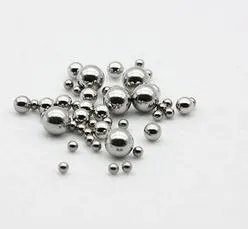
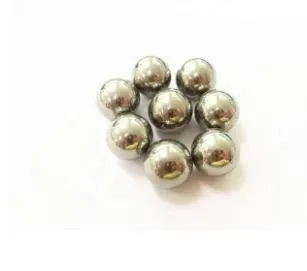
As a Metal Ball supplier, I've seen firsthand how different applications require different types of metal balls. That's why we offer a wide range of metal balls with varying magnetic properties. We can provide you with detailed information about each type of ball, so you can make an informed decision.
If you're interested in learning more about our metal balls or have specific requirements for your project, don't hesitate to reach out. We're here to help you find the perfect metal balls for your needs. Whether you're a small - scale manufacturer or a large industrial company, we can work with you to ensure you get the best - quality metal balls at a competitive price.
Let's start a conversation about your metal ball needs. Whether it's for a new product development or to replace existing components, we're ready to assist. So, drop us a line and let's get the ball rolling!
References
- "Introduction to Materials Science for Engineers" by James F. Shackelford
- "Magnetism and Magnetic Materials" by David Jiles