
In the world of industrial manufacturing and engineering, metal balls are ubiquitous components with a wide range of applications. As a trusted Metal Ball supplier, I've witnessed firsthand how the finish of a metal ball can significantly influence its performance and suitability for different tasks. This blog post delves into the diverse finishes of metal balls and their corresponding applications.
Understanding Metal Ball Finishes
The finish of a metal ball refers to the surface treatment or coating applied to it. It's not merely about aesthetics; the finish can enhance the ball's functionality, durability, and resistance to various environmental factors. Different finishes are designed to meet specific requirements in different industries, and choosing the right one is crucial for optimal performance.
Common Metal Ball Finishes and Their Applications
1. Polished Finish
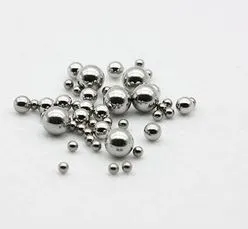
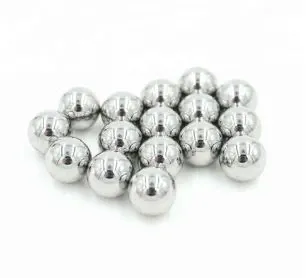
A polished finish gives metal balls a smooth and shiny appearance. This finish is achieved through a series of grinding and buffing processes that remove surface imperfections and create a mirror - like surface.
- Bearings: In the bearing industry, polished metal balls are highly sought after. The smooth surface reduces friction between the ball and the raceway, allowing for efficient rotation. This results in less energy loss, lower heat generation, and longer bearing life. For example, in high - speed machinery such as electric motors and automotive engines, polished steel balls ensure smooth operation and reliable performance.
- Precision Instruments: Polished metal balls are also used in precision instruments like measuring devices and optical equipment. The smooth surface helps in accurate movement and positioning, ensuring the precision of the instrument's measurements.
2. Matte Finish
A matte finish provides a non - reflective, dull surface. It is often created by sandblasting or chemical etching.
- Decorative Applications: Matte - finished metal balls are popular in decorative applications. Their subdued appearance gives a more elegant and understated look. For instance, in interior design, matte stainless steel balls can be used as decorative elements in sculptures, chandeliers, or furniture accents.
- Anti - Glare Applications: In some industrial settings where glare can be a problem, matte - finished metal balls are preferred. For example, in machine vision systems, the non - reflective surface of the balls prevents light reflection, which could otherwise interfere with the camera's image capture.
3. Coated Finishes
There are various types of coatings that can be applied to metal balls, each with its own set of benefits.
- Chrome Plating: Chrome - plated metal balls offer excellent corrosion resistance and a hard, wear - resistant surface. They are commonly used in applications where the balls are exposed to harsh environments or require high - wear resistance. For example, in hydraulic cylinders, chrome - plated steel balls can withstand the high pressures and abrasive fluids, ensuring long - term performance.
- Teflon Coating: Teflon - coated metal balls have a low coefficient of friction and are highly resistant to chemicals. They are often used in applications where lubrication is difficult or where the balls come into contact with corrosive substances. For instance, in food processing equipment, Teflon - coated balls can prevent contamination and ensure smooth operation.
4. Heat - Treated Finish
Heat treatment is a process that alters the physical and mechanical properties of metal balls.
- High - Strength Applications: Heat - treated metal balls have increased hardness and strength. They are used in applications where the balls need to withstand high loads and stresses. For example, in heavy - duty machinery such as construction equipment and mining machinery, heat - treated steel balls can handle the extreme forces without deforming or breaking.
Specific Applications and Corresponding Metal Ball Types
Weldable Steel Balls
Weldable Steel Balls are designed for applications where the balls need to be welded to other components. These balls are made from a special type of steel that has good weldability. They are commonly used in the fabrication of metal structures, such as in the construction of bridges and industrial frameworks. The ability to weld the balls allows for a strong and permanent connection, ensuring the integrity of the structure.
Solid Steel Balls
Solid Steel Balls are known for their high strength and durability. They are used in a wide range of applications, from ball bearings to ball valves. In ball bearings, solid steel balls provide the necessary load - carrying capacity and smooth rotation. In ball valves, they control the flow of fluids by opening and closing the valve. Their solid construction makes them suitable for high - pressure and high - temperature applications.
Stainless Steel Ball
Stainless Steel Ball are highly corrosion - resistant, making them ideal for applications in harsh environments. They are commonly used in the food and beverage industry, chemical processing plants, and marine applications. In the food industry, stainless steel balls ensure hygienic operation as they are easy to clean and do not corrode when in contact with food products. In marine applications, they can withstand the corrosive effects of saltwater.
Factors to Consider When Choosing Metal Ball Finishes
- Environment: The operating environment of the metal ball is a crucial factor. If the ball is exposed to moisture, chemicals, or high temperatures, a finish that provides corrosion resistance and heat resistance should be chosen.
- Load and Stress: The amount of load and stress the ball will experience also affects the choice of finish. For high - load applications, a heat - treated or coated finish that offers high strength and wear resistance is necessary.
- Functionality: The specific function of the metal ball in the application should be considered. For example, if the ball is used for precision movement, a polished finish may be required to ensure smooth operation.
Conclusion
As a Metal Ball supplier, I understand the importance of choosing the right finish for different applications. The finish of a metal ball can significantly impact its performance, durability, and suitability for specific tasks. Whether it's a polished finish for high - speed rotation, a matte finish for decorative purposes, or a coated finish for corrosion resistance, each finish has its own unique advantages.
If you are in need of metal balls for your specific application, I encourage you to reach out to discuss your requirements. We have a wide range of metal balls with different finishes to meet your needs. Our team of experts can provide you with professional advice and help you select the most suitable metal balls for your project.
References
- ASM Handbook Committee. (2004). ASM Handbook Volume 5: Surface Engineering. ASM International.
- Schubert, J. (2008). Precision Balls: Manufacturing, Properties, Applications. Springer.
- Kalpakjian, S., & Schmid, S. R. (2010). Manufacturing Engineering and Technology. Pearson.