
As a supplier of inch steel balls, I often encounter questions from customers regarding the need for lubrication of these products. In this blog, I will delve into the science behind lubrication for inch steel balls, exploring the factors that influence the requirement and the potential benefits and drawbacks.
Understanding Inch Steel Balls
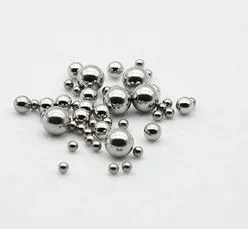
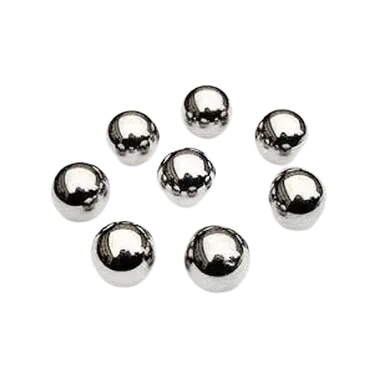
Inch steel balls are precision-engineered components used in a wide range of applications, including ball bearings, automotive parts, and industrial machinery. These balls are typically made from high-quality steel alloys, which offer excellent hardness, wear resistance, and corrosion resistance. The term "inch" refers to the measurement system used to specify the diameter of the balls, with sizes ranging from a fraction of an inch to several inches.
The Role of Lubrication
Lubrication plays a crucial role in the performance and longevity of mechanical components, including inch steel balls. The primary functions of lubrication are to reduce friction, prevent wear, dissipate heat, and protect against corrosion. When two surfaces come into contact and move relative to each other, friction is generated, which can lead to wear, heat generation, and energy loss. Lubricants create a thin film between the surfaces, separating them and reducing the direct contact, thus minimizing friction and wear.
Factors Influencing the Need for Lubrication
The need for lubrication of inch steel balls depends on several factors, including the application, operating conditions, and the type of steel used. Here are some key factors to consider:
Application
The application in which the inch steel balls are used is a major determinant of the lubrication requirement. For example, in ball bearings, lubrication is essential to ensure smooth rotation, reduce noise, and prevent premature failure. Ball bearings are used in various industries, such as automotive, aerospace, and manufacturing, where reliability and performance are critical. In these applications, the balls are subjected to high loads, high speeds, and continuous operation, which can generate significant friction and heat. Lubricants help to dissipate the heat and reduce the wear on the balls and the bearing raceways, extending the service life of the bearings.
On the other hand, in some applications where the inch steel balls are used in a low-load, low-speed environment, such as in decorative items or certain types of toys, lubrication may not be necessary. In these cases, the balls may not experience significant friction or wear, and the absence of lubrication may not affect the performance or longevity of the product.
Operating Conditions
The operating conditions, such as temperature, humidity, and the presence of contaminants, also play a role in determining the need for lubrication. High temperatures can cause the lubricant to break down or evaporate, reducing its effectiveness. In such cases, a high-temperature lubricant may be required to ensure proper lubrication. Similarly, high humidity can lead to corrosion of the steel balls, and a lubricant with anti-corrosion properties may be necessary to protect the balls.
The presence of contaminants, such as dust, dirt, or metal particles, can also affect the performance of the inch steel balls. Contaminants can act as abrasives, increasing the wear on the balls and the mating surfaces. Lubricants can help to flush out the contaminants and prevent them from causing damage. In environments where contaminants are prevalent, a lubricant with good filtration properties may be required.
Type of Steel
The type of steel used to manufacture the inch steel balls can also influence the lubrication requirement. Different steel alloys have different properties, such as hardness, wear resistance, and corrosion resistance. Some steels may have a natural oxide layer that provides some degree of protection against corrosion and wear, reducing the need for lubrication. However, in most cases, lubrication is still recommended to enhance the performance and longevity of the steel balls.
Benefits of Lubrication
Lubricating inch steel balls offers several benefits, including:
Reduced Friction and Wear
As mentioned earlier, lubrication reduces the direct contact between the balls and the mating surfaces, minimizing friction and wear. This results in smoother operation, reduced noise, and extended service life of the components.
Heat Dissipation
Lubricants help to dissipate the heat generated during operation, preventing overheating and damage to the steel balls and the surrounding components. This is particularly important in high-speed and high-load applications.
Corrosion Protection
Lubricants can provide a protective barrier against corrosion, preventing the steel balls from rusting and deteriorating. This is especially crucial in environments where moisture or corrosive substances are present.
Improved Efficiency
By reducing friction and wear, lubrication can improve the efficiency of the mechanical system, resulting in lower energy consumption and reduced operating costs.
Drawbacks of Lubrication
While lubrication offers many benefits, there are also some potential drawbacks to consider:
Cost
Lubricants can be expensive, especially high-quality lubricants designed for specific applications. In addition, the cost of lubrication also includes the cost of application, maintenance, and disposal.
Contamination
Lubricants can attract and retain contaminants, such as dust, dirt, and metal particles, which can cause damage to the steel balls and the mating surfaces. Regular maintenance and filtration are required to prevent contamination.
Environmental Impact
Some lubricants can have a negative impact on the environment, especially if they are not disposed of properly. Biodegradable lubricants are available as an alternative, but they may be more expensive and have limited performance.
Conclusion
In conclusion, the need for lubrication of inch steel balls depends on several factors, including the application, operating conditions, and the type of steel used. In most cases, lubrication is recommended to enhance the performance and longevity of the steel balls, especially in high-load, high-speed, and harsh environments. However, the decision to lubricate should be based on a careful evaluation of the specific requirements of the application, taking into account the benefits and drawbacks of lubrication.
As a supplier of Ball Bearing Balls, Din 5401 Steel Ball, and Weldable Steel Balls, we can provide you with high-quality inch steel balls and expert advice on lubrication. If you have any questions or need further information, please feel free to contact us for procurement and negotiation.
References
- Machinery's Handbook, 31st Edition
- Tribology Handbook, 2nd Edition
- ASTM Standards for Steel Balls