
Hey there! As a supplier of Din 5401 steel balls, I often get asked if these steel balls have a uniform structure. Well, let's dive right into this topic and find out.
First off, what are Din 5401 steel balls? Din 5401 is a standard that defines the requirements for steel balls used in various applications, such as bearings, valves, and other mechanical components. These steel balls are made from different types of steel, including chrome steel, carbon steel, and metric steel. You can check out more about Chorme Steel Ball, Metric Steel Ball, and Carbon Steel Ball on our website.
Now, back to the question: do Din 5401 steel balls have a uniform structure? The short answer is yes, but it's a bit more complicated than that.
The Manufacturing Process and Uniformity
The manufacturing process of Din 5401 steel balls plays a crucial role in determining their structure. Generally, these steel balls are made through a series of processes, including hot forging, cold heading, heat treatment, and grinding.
Hot forging is the initial step where the steel billet is heated to a high temperature and then shaped into a ball. This process helps to refine the grain structure of the steel and remove any internal defects. During hot forging, the steel is subjected to high pressure and deformation, which causes the grains to align in a more uniform manner.

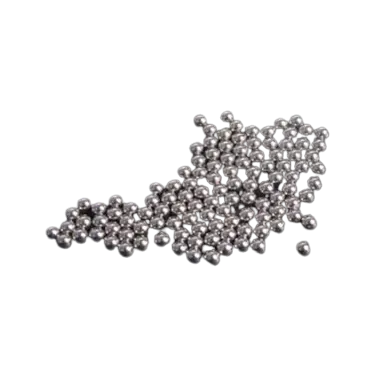
After hot forging, the steel balls go through cold heading, which further shapes and densifies the balls. Cold heading involves using a die to compress the ball into its final shape at room temperature. This process helps to improve the surface finish and dimensional accuracy of the balls.
Heat treatment is another critical step in the manufacturing process. It involves heating the steel balls to a specific temperature and then cooling them at a controlled rate. Heat treatment helps to improve the hardness, strength, and wear resistance of the steel balls. Different heat treatment processes, such as quenching and tempering, can be used depending on the specific requirements of the application.
Finally, the steel balls are ground to achieve the desired surface finish and dimensional accuracy. Grinding is a precision process that removes any remaining surface imperfections and ensures that the balls meet the strict tolerances specified by the Din 5401 standard.
Overall, the combination of these manufacturing processes helps to ensure that Din 5401 steel balls have a relatively uniform structure. However, it's important to note that there can still be some minor variations in the structure due to factors such as the quality of the raw materials, the manufacturing equipment, and the process control.
Factors Affecting Structure Uniformity
While the manufacturing process is designed to produce steel balls with a uniform structure, there are several factors that can affect this uniformity.
Raw Materials
The quality of the raw materials used to make the steel balls is one of the most important factors. Different grades of steel have different chemical compositions and microstructures, which can affect the final structure of the steel balls. For example, if the steel contains impurities or has an inconsistent grain size, it can lead to variations in the structure of the steel balls.
Manufacturing Equipment
The manufacturing equipment used to produce the steel balls also plays a role in determining their structure. Outdated or poorly maintained equipment can lead to inconsistent results and variations in the structure of the steel balls. For example, if the forging die is worn or the heat treatment furnace has uneven temperature distribution, it can affect the quality of the steel balls.
Process Control
Process control is another critical factor in ensuring the uniformity of the structure of Din 5401 steel balls. Any deviations from the specified manufacturing process parameters, such as temperature, pressure, or time, can lead to variations in the structure of the steel balls. Therefore, it's essential to have strict process control measures in place to ensure that the manufacturing process is carried out consistently.
Testing and Quality Assurance
To ensure that Din 5401 steel balls have a uniform structure, rigorous testing and quality assurance procedures are implemented. These procedures include both destructive and non-destructive testing methods.
Destructive testing methods involve cutting the steel balls open and examining their internal structure under a microscope. This allows manufacturers to check for any internal defects, such as cracks, voids, or non-uniform grain structure. Non-destructive testing methods, such as ultrasonic testing and magnetic particle testing, are used to detect surface and subsurface defects without damaging the steel balls.
In addition to testing, quality assurance also involves strict inspection and monitoring of the manufacturing process. Manufacturers use various sensors and monitoring devices to ensure that the process parameters are within the specified range. Any deviations from the process parameters are immediately addressed to prevent the production of non-conforming steel balls.
Importance of Uniform Structure
A uniform structure in Din 5401 steel balls is essential for several reasons.
Performance and Reliability
In applications such as bearings and valves, the performance and reliability of the steel balls depend on their uniform structure. A non-uniform structure can lead to uneven wear, reduced load-carrying capacity, and premature failure of the components. For example, if the steel ball has a soft spot due to an inconsistent structure, it may wear out faster than the rest of the ball, leading to increased friction and reduced efficiency.
Dimensional Accuracy
A uniform structure also helps to ensure the dimensional accuracy of the steel balls. In applications where precise dimensions are required, such as in high-precision bearings, any variations in the structure can lead to dimensional deviations. This can affect the fit and performance of the components and may even cause them to malfunction.
Corrosion Resistance
A uniform structure can also improve the corrosion resistance of the steel balls. In corrosive environments, a non-uniform structure can create areas of weakness where corrosion can occur more easily. A uniform structure helps to ensure that the steel balls have a consistent chemical composition and microstructure, which can improve their resistance to corrosion.
Conclusion
So, to answer the question, yes, Din 5401 steel balls generally have a uniform structure. The manufacturing process is designed to produce steel balls with a consistent grain structure and high quality. However, there can still be some minor variations in the structure due to factors such as the quality of the raw materials, the manufacturing equipment, and the process control.
As a supplier of Din 5401 steel balls, we take great pride in ensuring the quality and uniformity of our products. We use the latest manufacturing technology and strict quality control measures to produce steel balls that meet the highest standards.
If you're in the market for high-quality Din 5401 steel balls, we'd love to hear from you. Whether you have a specific application in mind or just need some advice on choosing the right steel balls, our team of experts is here to help. Contact us today to start a conversation about your procurement needs and let's find the perfect solution for you.
References
- ASM Handbook Volume 1: Properties and Selection: Irons, Steels, and High-Performance Alloys.
- Manufacturing Engineering and Technology by Serope Kalpakjian and Steven Schmid.
- Standards Handbook: Rolling Bearing Steel Balls - DIN 5401.