
Do cylindrical rollers require lubrication? Well, as a supplier of Cylindrical Roller, I've got a lot to say on this topic.
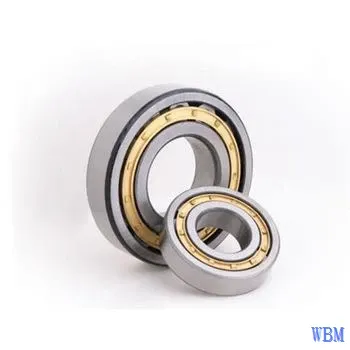
Let's start by understanding what cylindrical rollers are. These little guys are essential components in many mechanical systems. They're used in all sorts of applications, from industrial machinery to automotive engines. Their main job is to reduce friction between moving parts, allowing for smooth and efficient operation.
Now, back to the big question: do they need lubrication? The short answer is yes, and here's why.
The Importance of Lubrication
Reducing Friction
Friction is the enemy of any moving part. When two surfaces rub against each other, it creates heat and wear. In the case of cylindrical rollers, friction can cause the rollers to wear out prematurely, leading to costly repairs and downtime. Lubrication acts as a barrier between the rollers and the surfaces they're in contact with, reducing friction and allowing the rollers to move smoothly.
Preventing Wear and Tear
Over time, the constant movement of cylindrical rollers can cause wear and tear on the surfaces of the rollers and the components they interact with. Lubrication helps to minimize this wear by providing a protective layer that reduces the direct contact between the surfaces. This not only extends the lifespan of the rollers but also the entire mechanical system.
Cooling
As the rollers move, they generate heat due to friction. Excessive heat can damage the rollers and the surrounding components. Lubrication helps to dissipate this heat, keeping the temperature of the rollers within a safe operating range. This is especially important in high-speed or high-load applications where the heat generated can be significant.
Protecting Against Corrosion
Cylindrical rollers are often made of metal, which is susceptible to corrosion. Lubrication can act as a barrier against moisture and other corrosive elements, preventing rust and corrosion from forming on the rollers. This helps to maintain the integrity of the rollers and ensures their long-term performance.
Types of Lubrication
There are several types of lubrication that can be used for cylindrical rollers, each with its own advantages and disadvantages.
Oil Lubrication
Oil lubrication is one of the most common methods used for cylindrical rollers. It provides excellent lubrication and cooling properties, making it suitable for high-speed and high-load applications. Oil can be applied in various ways, such as splash lubrication, pressure lubrication, or oil mist lubrication. However, oil lubrication requires a more complex lubrication system and regular maintenance to ensure proper oil levels and cleanliness.
Grease Lubrication
Grease lubrication is another popular option for cylindrical rollers. Grease is a semi-solid lubricant that contains oil and a thickening agent. It provides good lubrication and sealing properties, making it suitable for applications where oil leakage is a concern. Grease lubrication is also relatively easy to apply and requires less maintenance compared to oil lubrication. However, grease has a lower cooling capacity than oil and may need to be replaced more frequently in high-speed or high-temperature applications.
Solid Lubrication
Solid lubrication involves the use of solid materials, such as graphite or molybdenum disulfide, to reduce friction. Solid lubricants can be applied as a coating on the surface of the rollers or incorporated into the material of the rollers themselves. Solid lubrication is often used in applications where traditional lubrication methods are not suitable, such as in high-temperature or high-vacuum environments. However, solid lubricants may not provide the same level of lubrication and cooling as oil or grease, and their effectiveness may decrease over time.
Factors to Consider When Choosing Lubrication
When choosing the right lubrication for cylindrical rollers, there are several factors that need to be considered.
Operating Conditions
The operating conditions of the mechanical system, such as speed, load, temperature, and environment, will determine the type of lubrication that is most suitable. For example, high-speed applications may require oil lubrication for its excellent cooling properties, while high-temperature applications may require a lubricant with a high-temperature resistance.
Roller Design
The design of the cylindrical rollers, such as their size, shape, and material, can also affect the choice of lubrication. Some roller designs may require a specific type of lubrication to ensure proper performance. For example, rollers with a large diameter or a high load capacity may require a more viscous lubricant to provide adequate lubrication.
Lubrication System
The lubrication system used in the mechanical system will also play a role in the choice of lubrication. Different lubrication systems may require different types of lubricants or application methods. For example, a splash lubrication system may require a thinner oil, while a pressure lubrication system may require a more viscous oil.
Our Cylindrical Roller Offerings
As a supplier of cylindrical rollers, we understand the importance of proper lubrication. That's why we offer a wide range of high-quality cylindrical rollers that are designed to work effectively with different types of lubrication. Our rollers are made from high-quality materials and are precision-engineered to ensure optimal performance and durability.
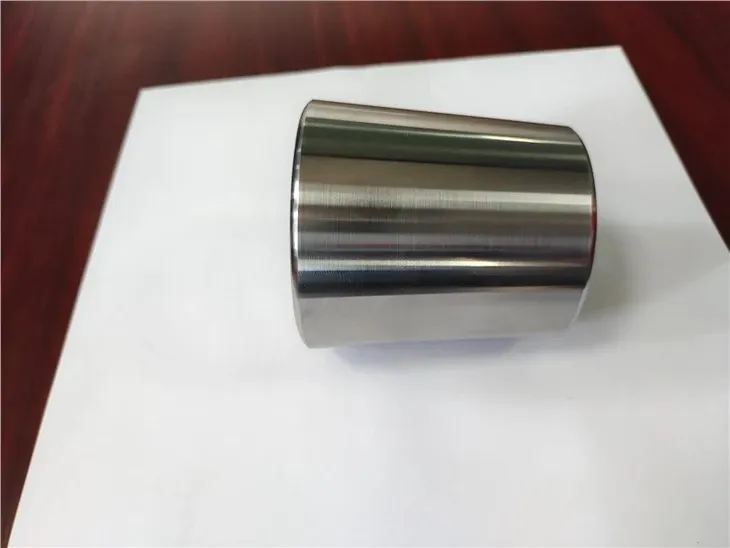
In addition to our standard cylindrical rollers, we also offer 2022 New product Taper Roller With Hole in The Center. These innovative rollers are designed to provide even better performance and efficiency in certain applications. They feature a unique design that allows for improved lubrication and cooling, resulting in longer lifespan and reduced maintenance.
Conclusion
In conclusion, cylindrical rollers do require lubrication to ensure their proper performance and longevity. Lubrication helps to reduce friction, prevent wear and tear, cool the rollers, and protect against corrosion. There are several types of lubrication available, each with its own advantages and disadvantages, and the choice of lubrication will depend on the operating conditions, roller design, and lubrication system of the mechanical system.
If you're in the market for high-quality cylindrical rollers or need advice on the best lubrication for your application, don't hesitate to get in touch. We're here to help you find the right solution for your needs. Whether you're looking for standard cylindrical rollers or our innovative 2022 New product Taper Roller With Hole in The Center, we've got you covered. Contact us today to start the conversation and let's work together to ensure the smooth and efficient operation of your mechanical systems.
References
- "Rolling Bearing Analysis" by T. A. Harris
- "Fundamentals of Machine Elements" by J. E. Shigley and C. R. Mischke
- "Lubrication Fundamentals" by J. G. Wills