
Cross rollers are a crucial component in various industrial applications, offering high precision and load - bearing capabilities. One question that often arises among our customers is whether cross rollers have noise during operation. In this blog, as a cross roller supplier, I will delve into this topic, exploring the factors that may cause noise, how to mitigate it, and the significance of noise - free operation in different scenarios.
Understanding the Basics of Cross Rollers
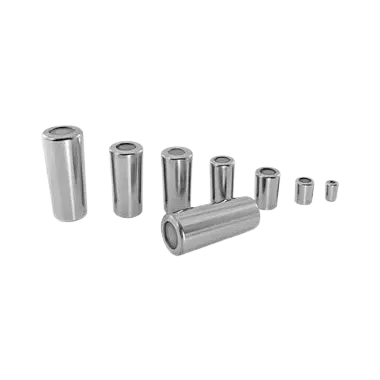
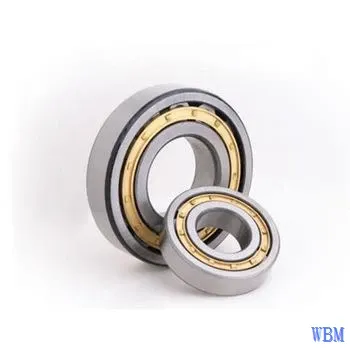
Before we discuss the noise issue, let's briefly understand what cross rollers are. Cross rollers are a type of rolling element bearing where cylindrical rollers are arranged in a cross - pattern. This design allows for high radial and axial load - carrying capacity, as well as excellent rigidity. They are widely used in machine tools, robotics, and aerospace applications, where precision and reliability are of utmost importance.
Factors Contributing to Noise in Cross Rollers
There are several factors that can lead to noise during the operation of cross rollers.
1. Manufacturing Defects
One of the primary causes of noise is manufacturing defects. Imperfections in the surface finish of the rollers or the raceways can result in uneven contact, leading to vibrations and noise. For example, if the rollers have micro - cracks or if the raceways are not perfectly round, the rollers will not roll smoothly, generating unwanted noise. At our company, we implement strict quality control measures during the manufacturing process to minimize such defects. We use advanced grinding and polishing techniques to ensure that the surface finish of the rollers and raceways meets the highest standards.
2. Lubrication Issues
Lubrication plays a vital role in the smooth operation of cross rollers. Insufficient lubrication can cause increased friction between the rollers and the raceways, leading to noise. On the other hand, using the wrong type of lubricant can also be a problem. Some lubricants may not have the right viscosity or anti - wear properties, which can result in poor lubrication performance. We recommend using high - quality lubricants specifically designed for cross rollers. Regular lubrication checks and maintenance are also essential to ensure that the lubricant is in good condition and at the right level.
3. Misalignment
Misalignment of the cross rollers or the associated components can cause significant noise. When the rollers are not properly aligned with the raceways, they will experience uneven loading, which can lead to vibrations and noise. Misalignment can occur due to improper installation, thermal expansion, or mechanical stress. To avoid this, we provide detailed installation instructions to our customers and offer technical support to ensure that the cross rollers are installed correctly.
4. External Factors
External factors such as dust, debris, and moisture can also affect the operation of cross rollers and cause noise. Dust and debris can enter the bearing and act as abrasives, wearing down the rollers and raceways. Moisture can cause corrosion, which can also lead to noise and reduced performance. We recommend using appropriate seals and protective covers to prevent the ingress of external contaminants.
Measuring and Assessing Noise in Cross Rollers
To determine whether cross rollers are generating excessive noise, we use various measurement techniques. One common method is to use a vibration sensor. By measuring the vibration levels of the cross rollers during operation, we can detect any abnormal vibrations that may be associated with noise. Another method is to use a sound level meter to directly measure the noise level. We have a dedicated testing laboratory where we conduct comprehensive tests on our cross rollers to ensure that they meet the noise requirements of our customers.
Mitigating Noise in Cross Rollers
Based on the factors mentioned above, there are several ways to mitigate noise in cross rollers.
1. Improve Manufacturing Quality
As mentioned earlier, improving the manufacturing quality is crucial. By using high - precision machining equipment and strict quality control measures, we can reduce the occurrence of manufacturing defects. This includes ensuring that the rollers and raceways have a smooth surface finish and accurate dimensions.
2. Optimize Lubrication
Using the right type of lubricant and maintaining the proper lubrication level is essential. We recommend that our customers follow our lubrication guidelines and schedule regular lubrication checks. In some cases, we may also recommend using lubricants with additives that can reduce friction and noise.
3. Ensure Proper Installation
Proper installation is key to preventing misalignment. We provide detailed installation manuals and offer on - site installation support if needed. Our technical experts can ensure that the cross rollers are installed correctly, minimizing the risk of misalignment and noise.
4. Protect Against External Contaminants
Using appropriate seals and protective covers can prevent the ingress of dust, debris, and moisture. This helps to keep the cross rollers clean and in good condition, reducing the risk of noise and wear.
The Significance of Noise - Free Operation
In many applications, noise - free operation of cross rollers is of great significance.
1. Precision Applications
In precision applications such as machine tools and robotics, noise can indicate a problem with the cross rollers. Excessive noise can also affect the accuracy of the equipment, leading to poor quality products. By ensuring noise - free operation, we can help our customers achieve higher precision and better product quality.
2. Comfort and Safety
In some applications, such as in the automotive and aerospace industries, noise can be a safety and comfort issue. Excessive noise can cause fatigue and distraction for operators, which can increase the risk of accidents. By providing cross rollers with low noise levels, we can contribute to a safer and more comfortable working environment.
Comparison with Other Rolling Elements
It's interesting to compare cross rollers with other types of rolling elements in terms of noise. For example, Taper Rollers are known for their ability to handle high radial and axial loads. However, they may generate more noise compared to cross rollers, especially under heavy loads. Gravity Taper Roller also have their own characteristics, and the noise level can vary depending on the application. Cylindrical Roller are another type of rolling element, and they may have different noise profiles compared to cross rollers. Understanding these differences can help our customers choose the most suitable rolling elements for their specific applications.
Conclusion
In conclusion, while cross rollers can potentially generate noise during operation, there are many factors that can be controlled to minimize this issue. As a cross roller supplier, we are committed to providing high - quality products with low noise levels. By improving manufacturing quality, optimizing lubrication, ensuring proper installation, and protecting against external contaminants, we can help our customers achieve noise - free operation of their equipment.
If you are interested in our cross rollers or have any questions about noise or other aspects of our products, please feel free to contact us for further discussion and potential procurement. We look forward to working with you to meet your specific needs.
References
- Harris, T. A., & Kotzalas, M. N. (2007). Rolling Bearing Analysis. Wiley.
- Gupta, P. K. (2002). Ball and Roller Bearing Engineering. CRC Press.