
As a supplier of conical rollers, I've received numerous inquiries regarding the transportation of these precision components. The question often arises: Do conical rollers need special handling during transportation? The answer is a resounding yes, and in this blog, I'll delve into the reasons and provide insights on proper transportation practices.
The Nature of Conical Rollers
Conical rollers are a crucial type of rolling element used in various industrial applications, particularly in tapered roller bearings. These bearings are designed to handle both radial and axial loads efficiently, making them indispensable in machinery such as automotive transmissions, heavy - duty trucks, and industrial gearboxes.
The conical shape of the rollers is precisely engineered to ensure smooth operation and optimal load distribution. Even the slightest damage to the surface of a conical roller can lead to uneven wear, increased friction, and ultimately, premature failure of the bearing. For instance, a small scratch on the roller surface can cause stress concentrations, which over time, can lead to cracks and complete breakdown of the bearing.
Reasons for Special Handling
1. Sensitivity to Surface Damage
Conical rollers are typically made from high - quality steel or other advanced materials that are heat - treated to achieve the desired hardness and toughness. However, their surfaces are still vulnerable to scratches, dents, and corrosion. During transportation, these rollers can come into contact with various objects, such as the packaging material, other components in the shipment, or the interior of the transport vehicle.
A simple jolt or impact can cause a surface imperfection, which may not be visible to the naked eye but can have a significant impact on the performance of the bearing. For example, in high - speed applications, even a minor surface defect can lead to vibrations, noise, and reduced efficiency.
2. Precision Dimensions
The dimensions of conical rollers are precisely controlled to ensure proper fit and function within the bearing. Any deformation or change in dimensions during transportation can render the rollers unusable. Temperature and humidity variations during transit can cause the rollers to expand or contract, potentially altering their critical dimensions.
For example, if a shipment of conical rollers is exposed to extreme heat during transportation, the rollers may expand slightly. When they are installed in a bearing at a normal operating temperature, the expanded rollers may not fit correctly, leading to excessive clearance or interference, which can compromise the performance of the bearing.
3. Contamination Risks
Contamination is another major concern during the transportation of conical rollers. Dust, dirt, and other foreign particles can adhere to the surface of the rollers, which can cause abrasion and wear when the bearing is in operation. Moisture can also lead to corrosion, especially if the rollers are not properly protected.
In industrial environments, where bearings are often exposed to harsh conditions, any pre - existing contamination on the rollers can accelerate the degradation of the bearing. For example, in a mining application, a contaminated conical roller can quickly wear out due to the presence of abrasive dust particles in the environment.
Special Handling Practices
1. Packaging
Proper packaging is the first line of defense in protecting conical rollers during transportation. The rollers should be individually wrapped in a soft, non - abrasive material, such as plastic film or paper, to prevent surface scratches. They can then be placed in a shock - absorbing container, such as a foam - lined box or a padded tray.
For bulk shipments, the rollers can be packed in a larger container with dividers to keep them separated and prevent them from rubbing against each other. The container should also be sealed to prevent the ingress of dust and moisture.
2. Temperature and Humidity Control
Maintaining a stable temperature and humidity environment during transportation is essential. If possible, the rollers should be shipped in climate - controlled containers or vehicles. This helps to prevent dimensional changes due to temperature fluctuations and reduces the risk of corrosion caused by high humidity.
In some cases, desiccants can be placed inside the packaging to absorb any moisture that may be present. For long - distance shipments or shipments through regions with extreme climate conditions, it may be necessary to use specialized temperature - controlled shipping methods.
3. Handling and Loading
During the handling and loading process, care should be taken to avoid rough handling. Forklifts and other handling equipment should be operated with caution to prevent impacts and vibrations. The rollers should be loaded in a way that minimizes the risk of shifting during transit.
For example, they can be secured in place using straps or bracing to prevent movement. Additionally, the transport vehicle should be clean and free of any debris that could contaminate the rollers.
Comparison with Other Rollers
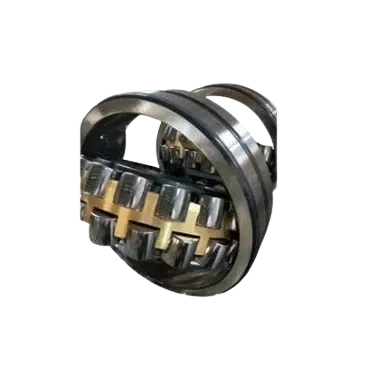
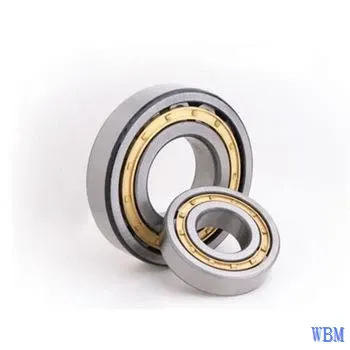
When comparing conical rollers with other types of rollers such as [Spherical Roller](rolling - elements/taper - roller/spherical - roller.html) and [Cylindrical Roller](rolling - elements/taper - roller/cylindrical - 1roller.html), while all rollers require careful handling, conical rollers have some unique requirements.
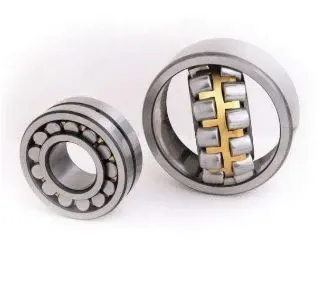
Spherical rollers are designed to accommodate misalignment and have a more forgiving shape in terms of load distribution. However, they are also sensitive to surface damage and contamination. Cylindrical rollers, on the other hand, are mainly used for radial load applications and have a different set of dimensional tolerances.
The conical shape of conical rollers makes them more susceptible to misalignment during transportation, which can affect their performance in the bearing. Additionally, the precision required for the conical shape means that any deformation during transit can have a more significant impact on their functionality compared to other types of rollers.
Conclusion
In conclusion, conical rollers do require special handling during transportation due to their sensitivity to surface damage, precision dimensions, and contamination risks. By following proper packaging, temperature and humidity control, and handling practices, we can ensure that these critical components reach our customers in perfect condition.
If you are in need of high - quality conical rollers for your industrial applications, I invite you to contact us for a procurement discussion. We have a wide range of conical rollers available, and our team of experts can provide you with the best solutions tailored to your specific needs.
References
- "Rolling Bearing Technology Handbook", Industrial Press Inc.
- "Bearing Design and Application Engineering", SKF Group
- "Fundamentals of Machine Elements", McGraw - Hill Education