
As a seasoned supplier of weldable steel balls, I've often been asked whether these specialized components can be effectively utilized in the marine industry. In this blog post, I'll delve into the properties of weldable steel balls, explore their potential applications in the marine environment, and discuss the factors to consider when determining their suitability.
Understanding Weldable Steel Balls
Weldable steel balls are crafted from specific grades of steel that allow them to be joined to other steel components through welding processes. This characteristic sets them apart from standard steel balls, which may not be amenable to welding due to their composition or heat - treatment.
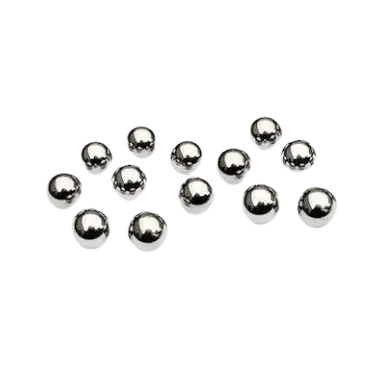
The materials used to make weldable steel balls typically include carbon steel, which offers a good balance of strength, ductility, and weldability. Carbon Steel Ball is a popular choice as it can be easily welded and is relatively cost - effective. Another option is stainless steel, which provides excellent corrosion resistance, an important factor in the harsh marine environment. Stainless Steel Ball is often used when resistance to saltwater corrosion is a top priority. Metric sizes of weldable steel balls, such as Metric Steel Ball, are also available, allowing for precise fitment in various applications.
Potential Applications in the Marine Industry
Shipbuilding and Repair
In shipbuilding, weldable steel balls can be used in the construction of various components. For example, they can be incorporated into ball joints and bearings that are used in steering systems, anchor winches, and other mechanical parts. The ability to weld the balls to the surrounding structure ensures a strong and reliable connection, which is crucial for the safe operation of the vessel.
During ship repair, weldable steel balls can be employed to replace damaged or worn - out parts. Instead of having to replace an entire assembly, the damaged ball can be removed and a new weldable ball can be welded in its place. This not only reduces downtime but also lowers the cost of repairs.

Offshore Platforms
Offshore platforms are exposed to extreme environmental conditions, including high winds, waves, and saltwater corrosion. Weldable steel balls can be used in the construction of valves, pumps, and other equipment on these platforms. For instance, in subsea valves, the balls need to be able to withstand high pressures and corrosive environments. Weldable stainless steel balls are an ideal choice as they can be welded to the valve body, creating a tight seal and ensuring reliable operation.
Marine Equipment and Machinery
Weldable steel balls are also suitable for use in various marine equipment and machinery. In fishing boats, they can be used in the reels and other mechanical components. In larger vessels, they can be found in propulsion systems, where they contribute to the smooth operation of gears and other moving parts.
Factors to Consider
Corrosion Resistance
As mentioned earlier, the marine environment is highly corrosive due to the presence of saltwater. When selecting weldable steel balls for marine applications, it's essential to choose a material with high corrosion resistance. Stainless steel balls are often the preferred choice as they contain chromium, which forms a passive oxide layer on the surface, protecting the ball from rust and corrosion. However, the type of stainless steel and its composition need to be carefully considered, as different grades offer varying levels of corrosion resistance.
Strength and Durability
The marine industry demands components that can withstand high loads and stresses. Weldable steel balls need to have sufficient strength and hardness to ensure long - term durability. The heat - treatment process used during manufacturing plays a crucial role in determining the strength and hardness of the balls. It's important to work with a supplier who can provide balls with consistent quality and mechanical properties.
Weldability
The ability to weld the steel balls effectively is a key factor. The welding process should not compromise the integrity of the ball or the surrounding structure. Factors such as the welding technique, welding parameters, and pre - and post - weld heat treatment need to be carefully controlled to ensure a strong and reliable weld.
Compatibility with Other Materials
In many marine applications, the weldable steel balls will be in contact with other materials, such as rubber seals or plastic components. It's important to ensure that the steel balls are compatible with these materials to prevent chemical reactions or other forms of degradation.
Quality Assurance
As a supplier of weldable steel balls, we understand the importance of quality assurance in the marine industry. We implement strict quality control measures throughout the manufacturing process. Our balls are tested for hardness, density, and surface finish to ensure they meet the highest standards. We also provide detailed documentation, including material certificates and test reports, to give our customers confidence in the quality of our products.
Conclusion
In conclusion, weldable steel balls can indeed be used in the marine industry. Their unique properties, such as weldability, combined with the right material selection, make them suitable for a wide range of applications in shipbuilding, offshore platforms, and marine equipment. However, careful consideration needs to be given to factors such as corrosion resistance, strength, and weldability to ensure the long - term performance and reliability of these components.
If you're in the marine industry and are looking for high - quality weldable steel balls, I invite you to get in touch with us. We have a wide range of products to meet your specific needs, and our team of experts is ready to assist you in selecting the right solution for your application. Contact us to start a discussion about your requirements and explore how our weldable steel balls can enhance your marine projects.
References
- ASM Handbook, Volume 13A: Corrosion: Fundamentals, Testing, and Protection
- Marine Engineering Manual, various editions
- Standards and guidelines from the International Maritime Organization (IMO)