
Weldable steel balls have long been recognized for their versatility in various manufacturing and industrial applications. As a supplier of high - quality weldable steel balls, I am frequently asked whether these unique products can find a place in the construction industry. In this blog, we will delve into the characteristics of weldable steel balls and explore their potential uses, advantages, and limitations in construction.
Properties of Weldable Steel Balls
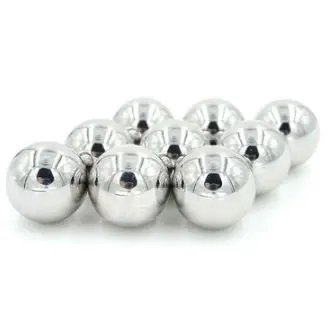
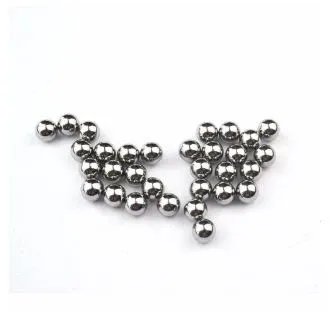
Weldable steel balls are typically made from steel alloys that are designed to be easily joined through welding processes. The choice of steel for these balls often depends on the specific application requirements, but common types include carbon steel and certain low - alloy steels. These steel balls are renowned for their high strength, hardness, and durability.
Carbon steel balls, such as those you can find at Carbon Steel Ball, offer a good balance of cost and performance. They have sufficient strength to withstand a certain level of stress and are relatively easy to weld, making them a popular choice for a wide range of applications. Their carbon content can be adjusted to achieve different levels of hardness and toughness, which is crucial when considering their use in construction projects.
On the other hand, the Solid Steel Balls are uniform in structure and provide excellent resistance to deformation. They are suitable for applications where high precision and long - term durability are required. In addition, the smooth surface of weldable steel balls can be beneficial in many construction scenarios, such as reducing friction in moving parts.
Potential Applications in the Construction Industry
Reinforcement in Concrete Structures
One of the potential uses of weldable steel balls in construction is in the reinforcement of concrete structures. When added to the concrete mix, these steel balls can act as additional reinforcement elements. They can enhance the tensile strength of concrete, especially in areas where traditional steel bars may not be sufficient or practical. For example, in thin - walled concrete elements or in structures with complex geometries, weldable steel balls can be evenly distributed throughout the concrete to provide more uniform reinforcement.
The ability to weld the steel balls allows for the creation of custom - made reinforcement cages. By welding the balls together in a pre - determined pattern, contractors can design reinforcement structures that are tailored to the specific load - bearing requirements of the building. This can lead to more efficient use of materials and potentially reduce the overall weight of the structure without sacrificing strength.
Structural Connections
Weldable steel balls can also be used in structural connections. In steel - framed buildings, for instance, these balls can be used as part of the connection joints between beams and columns. By welding the balls to the structural members, a strong and reliable connection can be achieved. This type of connection can be particularly useful in seismic - prone areas, as the spherical shape of the balls can help to distribute forces more evenly during an earthquake.
The Inch Steel Ball with accurate sizing is especially suitable for such applications. The precise dimensions ensure a proper fit and alignment in the connection, which is essential for maintaining the structural integrity of the building.
Architectural and Decorative Elements
In addition to their structural functions, weldable steel balls can be used for architectural and decorative purposes in construction. They can be incorporated into facades, sculptures, or other decorative elements of a building. The weldability of these balls allows architects and designers to create unique and complex shapes that would be difficult or impossible to achieve with other materials.
For example, a large - scale steel ball structure can be welded together to form an eye - catching sculpture in the entrance hall of a commercial building. The smooth and shiny surface of the steel balls can add a modern and industrial aesthetic to the architecture, enhancing the overall visual appeal of the construction project.
Advantages of Using Weldable Steel Balls in Construction
High Strength and Durability
As mentioned earlier, weldable steel balls are made of high - quality steel alloys, which provide them with excellent strength and durability. In construction, where structures need to withstand various loads and environmental conditions over a long period of time, the use of these steel balls can significantly increase the lifespan of the building. They are resistant to corrosion, wear, and impact, making them suitable for both indoor and outdoor applications.
Design Flexibility
The weldability of steel balls offers great design flexibility. Architects and engineers can use these balls to create innovative and complex structures that meet the specific requirements of the project. Whether it is a custom - designed reinforcement system or an artistic decorative element, weldable steel balls can be easily shaped and connected to achieve the desired design.
Ease of Installation
Welding is a well - established and widely used technique in the construction industry. Using weldable steel balls means that the installation process can be carried out efficiently by trained welders. This reduces the overall construction time and labor costs, as compared to some other construction methods that may require more complex and time - consuming installation procedures.
Limitations and Considerations
Cost
One of the main limitations of using weldable steel balls in construction is the cost. The production of high - quality steel balls requires specialized manufacturing processes, which can make them more expensive than some traditional construction materials. Additionally, the welding process also adds to the overall cost, as it requires skilled labor and proper welding equipment.
Weight
Steel balls are relatively heavy, which can be a disadvantage in some construction applications. In high - rise buildings or structures where weight is a critical factor, the use of a large number of steel balls may increase the load on the foundation and structural members. This needs to be carefully considered during the design phase to ensure the safety and stability of the building.
Welding Quality
The quality of the welds is crucial for the performance of the weldable steel balls in construction. Poor - quality welds can lead to weak connections and potentially compromise the structural integrity of the building. Therefore, it is essential to ensure that only qualified and experienced welders are used, and that strict quality control measures are in place during the welding process.
Conclusion
In conclusion, weldable steel balls have significant potential for use in the construction industry. Their high strength, durability, and design flexibility make them suitable for a variety of applications, from structural reinforcement to architectural decoration. However, the cost, weight, and welding quality issues need to be carefully considered before deciding to use them in a construction project.
As a supplier of weldable steel balls, we are committed to providing high - quality products that meet the needs of the construction industry. If you are interested in exploring the use of weldable steel balls in your next construction project, we would be happy to discuss your requirements and provide you with the necessary technical support and product information. Feel free to contact us to start a purchase negotiation and discover how our weldable steel balls can benefit your construction endeavors.
References
Jones, R. (2018). Steel Alloys in Construction. Construction Materials Journal, 25(2), 125 - 136.
Smith, A. (2020). Advances in Welding Techniques for Structural Steel. Welding Technology Review, 32(4), 78 - 84.
Brown, C. (2019). Architectural Use of Metal Elements. Architectural Design Magazine, 45(3), 90 - 98.