
Tungsten carbide dies have long been recognized for their exceptional hardness, wear resistance, and high compressive strength, making them a popular choice in various industrial applications. One such application that has piqued the interest of many manufacturers is high - speed stamping. In this blog, as a tungsten carbide die supplier, I will explore whether tungsten carbide dies can be effectively used in high - speed stamping processes.
Understanding High - Speed Stamping
High - speed stamping is a manufacturing process that involves the rapid production of parts from sheet metal or other materials. It is characterized by high punching speeds, often ranging from hundreds to thousands of strokes per minute. This process requires tools that can withstand the extreme forces, high - frequency impacts, and rapid wear associated with such high - speed operations. The key requirements for dies in high - speed stamping include high hardness to resist deformation, excellent wear resistance to maintain dimensional accuracy over long production runs, and good thermal stability to handle the heat generated during stamping.
Properties of Tungsten Carbide Dies
Tungsten carbide is a composite material composed of tungsten carbide particles (WC) embedded in a metallic binder, typically cobalt (Co). This unique structure gives tungsten carbide dies several properties that make them potentially suitable for high - speed stamping:
- High Hardness: Tungsten carbide has a very high hardness, typically ranging from 89 to 93 HRA (Rockwell hardness scale A). This hardness allows the dies to resist deformation under the high pressures and impacts encountered in high - speed stamping, ensuring that the shape and dimensions of the stamped parts are accurately maintained.
- Excellent Wear Resistance: The hard tungsten carbide particles provide excellent resistance to abrasive wear, which is a common problem in stamping operations. This wear resistance means that tungsten carbide dies can maintain their cutting edges and surfaces for longer periods, reducing the frequency of die replacement and increasing production efficiency.
- High Compressive Strength: Tungsten carbide dies can withstand high compressive forces without cracking or breaking. In high - speed stamping, the dies are subjected to significant compressive loads during each stroke, and the high compressive strength of tungsten carbide ensures that the dies can endure these forces without failure.
- Good Thermal Stability: Tungsten carbide has relatively good thermal conductivity and can withstand high temperatures without significant loss of hardness or strength. During high - speed stamping, the friction between the die and the workpiece generates heat, and the thermal stability of tungsten carbide helps to prevent thermal damage to the dies.
Advantages of Using Tungsten Carbide Dies in High - Speed Stamping
There are several advantages to using tungsten carbide dies in high - speed stamping:
- Longer Tool Life: Due to their excellent wear resistance, tungsten carbide dies can last significantly longer than traditional steel dies. This reduces the frequency of die changes, minimizing downtime and increasing overall production efficiency. For example, in a high - volume stamping operation, a tungsten carbide die may last 10 to 20 times longer than a steel die, resulting in substantial cost savings over time.
- Improved Part Quality: The high hardness and dimensional stability of tungsten carbide dies ensure that the stamped parts have consistent dimensions and high surface quality. This is particularly important in applications where tight tolerances are required, such as in the automotive and electronics industries.
- Higher Productivity: With longer tool life and the ability to withstand high - speed operation, tungsten carbide dies enable higher production rates. Manufacturers can increase the speed of their stamping presses without worrying about premature die failure, leading to increased output and improved profitability.
Challenges and Considerations
While tungsten carbide dies offer many advantages for high - speed stamping, there are also some challenges and considerations that need to be addressed:
- Cost: Tungsten carbide dies are generally more expensive than steel dies. The cost of raw materials, manufacturing processes, and finishing operations for tungsten carbide dies is higher. However, when considering the longer tool life and increased productivity, the overall cost per part produced may be lower in the long run.
- Brittleness: Tungsten carbide is a relatively brittle material compared to steel. This means that it is more susceptible to cracking and chipping under certain conditions, such as when subjected to sudden impacts or uneven loading. Careful design and proper handling of the dies are required to minimize the risk of brittle failure.
- Machining Difficulty: Machining tungsten carbide is more difficult and time - consuming than machining steel. Specialized equipment and techniques are required to shape and finish tungsten carbide dies to the desired specifications. This can add to the manufacturing lead time and cost.
Applications in High - Speed Stamping
Tungsten carbide dies are already being used in a variety of high - speed stamping applications:
- Electronics Industry: In the production of electronic components such as connectors, terminals, and circuit boards, high - speed stamping is used to produce small, precise parts. Tungsten carbide dies are ideal for these applications due to their ability to maintain tight tolerances and produce high - quality parts at high speeds.
- Automotive Industry: The automotive industry uses high - speed stamping to produce a wide range of components, including body panels, brackets, and engine parts. Tungsten carbide dies can withstand the high forces and high - volume production requirements of automotive stamping operations, ensuring consistent part quality and long tool life.
- Appliance Industry: In the manufacturing of household appliances, high - speed stamping is used to produce parts such as shells, brackets, and hinges. Tungsten carbide dies can help to improve the efficiency and quality of the stamping process, reducing production costs and improving the overall quality of the appliances.
Related Tools and Their Links
In addition to tungsten carbide dies, there are other tools that are often used in conjunction with high - speed stamping processes. For example, Feed Roll is an important component for accurately feeding the workpiece into the stamping press. Cold Forming/forging Tools are used to shape the workpiece before or after stamping, and Carbidecut Off Die COD is used to cut the stamped parts to the desired length.
Conclusion
In conclusion, tungsten carbide dies can be effectively used in high - speed stamping processes. Their high hardness, excellent wear resistance, high compressive strength, and good thermal stability make them well - suited to the demands of high - speed stamping. While there are some challenges such as cost, brittleness, and machining difficulty, the advantages of longer tool life, improved part quality, and higher productivity often outweigh these challenges.
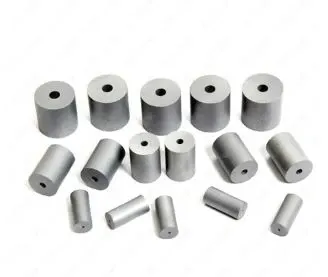
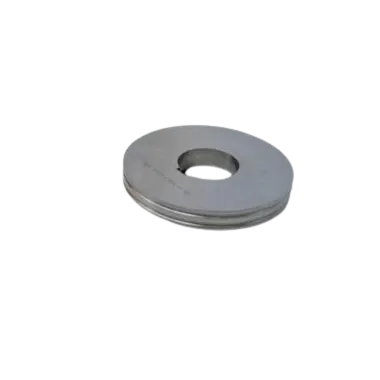
If you are in the market for high - quality tungsten carbide dies for your high - speed stamping operations, we are here to help. As a professional tungsten carbide die supplier, we have the expertise and experience to provide you with the right dies for your specific needs. Contact us to start a discussion about your requirements and explore how our tungsten carbide dies can improve your stamping processes.
References
- "Tool and Die Materials" by ASM International
- "High - Speed Stamping Technology" by Society of Manufacturing Engineers
- "Tungsten Carbide: Properties, Processing, and Applications" by John Wiley & Sons