
Hey there! As a taper roller supplier, I often get asked whether taper rollers can be used in low - speed applications. So, let's dig into this topic and find out the answer.
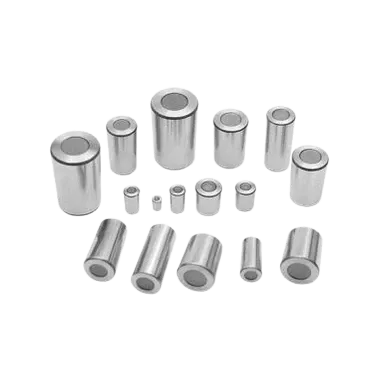
First off, let's understand what taper rollers are. Taper rollers are a type of rolling element that have a conical shape. They're designed to handle both radial and axial loads effectively. These bad boys are commonly used in a wide range of applications, from automotive transmissions to industrial machinery. You can learn more about Taper Rollers on our website.
Now, when it comes to low - speed applications, there are a few things to consider. Low - speed applications typically refer to situations where the rotational speed is relatively slow, say, less than a few hundred revolutions per minute (RPM). These can include things like conveyor systems, some types of agricultural equipment, and certain industrial presses.
One of the main advantages of using taper rollers in low - speed applications is their ability to handle high loads. Taper rollers are designed with a large contact area between the roller and the raceway. This means they can distribute the load over a wider surface, reducing the stress on individual components. In low - speed applications, where the loads might be static or change slowly, this load - handling capacity is a huge plus.
For example, in a conveyor system that moves heavy materials at a slow pace, taper rollers can provide reliable support. The conveyor rollers need to carry the weight of the goods being transported, and taper rollers can do this job effectively without wearing out quickly.
Another benefit is their durability. Taper rollers are usually made from high - quality materials like bearing steel, which is heat - treated to enhance its hardness and toughness. This makes them resistant to wear, corrosion, and fatigue. In low - speed applications, where the components are not subjected to rapid changes in speed or direction, the durability of taper rollers can lead to a longer service life and less frequent maintenance.
However, there are also some factors that might make you think twice before using taper rollers in low - speed applications. One of them is friction. Taper rollers have a certain amount of internal friction due to their conical shape. At low speeds, this friction might not be a big deal in some cases, but in others, it could lead to energy losses. For instance, if you're looking for a highly energy - efficient system, the extra friction from taper rollers might be a drawback.
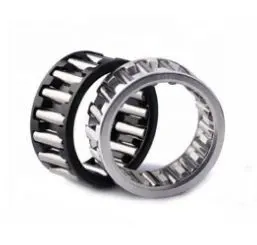
In addition, the cost can be a consideration. Taper rollers are more complex to manufacture compared to some other types of rolling elements, like Needle Roller. This means they're usually more expensive. In low - speed applications where the performance requirements are not extremely high, you might be able to get away with using a simpler and cheaper alternative.
But here's the thing: in many low - speed applications, the benefits of using taper rollers far outweigh the drawbacks. Their load - handling capacity and durability can make them a great choice, especially when reliability is a top priority.
Let's take a look at some specific low - speed applications where taper rollers shine. In agricultural machinery, such as tractors and combines, taper rollers are used in various components. The wheels and axles of these machines need to support heavy loads while moving at relatively slow speeds across rough terrain. Taper rollers can handle the radial and axial loads caused by the weight of the equipment and the uneven ground, ensuring smooth operation.
In industrial presses, taper rollers are used to support the moving parts. These presses often operate at low speeds but apply a large amount of force. Taper rollers can withstand the high loads and keep the press components aligned, preventing misalignment and damage.
Another interesting application is in some types of gearboxes. Low - speed gearboxes, like those used in heavy - duty industrial equipment, require rolling elements that can handle both torque and axial forces. Taper rollers are well - suited for this task, as they can transmit power efficiently and maintain the proper alignment of the gears.
If you're still not sure whether taper rollers are the right choice for your low - speed application, you can also consider Cross Roller. Cross rollers are another type of rolling element that can be used in some low - speed situations. They have their own unique advantages, such as high stiffness and the ability to handle multiple load directions.
In conclusion, taper rollers can definitely be used in low - speed applications. Their load - handling capacity, durability, and ability to handle both radial and axial loads make them a viable option for many low - speed scenarios. While there are some factors like friction and cost to consider, in most cases, the benefits make them a great choice.
If you're in the market for taper rollers for your low - speed application or have any questions about which rolling element is right for you, don't hesitate to reach out. We're here to help you make the best decision for your needs. Contact us to start the procurement and negotiation process.
References
- Machinery's Handbook, 31st Edition
- Bearing Design and Application Handbook
- Technical Papers on Rolling Element Bearings