
Hey there! I'm a supplier of Taper Rollers, and today I wanna chat about a common question I get all the time: Can taper rollers be lubricated with oil?
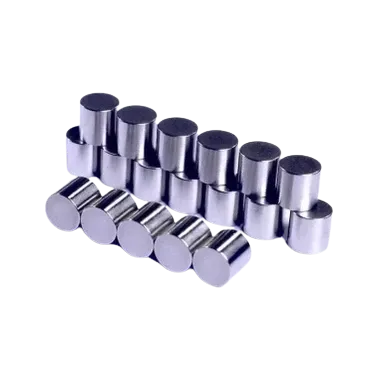
First off, let's understand what taper rollers are. Taper rollers, also known as Conical Rollers, are a type of rolling element used in various mechanical applications. They're designed in a conical shape, which allows them to handle both radial and axial loads effectively. You can find them in things like automotive transmissions, industrial machinery, and even some aerospace equipment.
Now, onto the big question: oil lubrication. The short answer is yes, taper rollers can definitely be lubricated with oil. In fact, oil is one of the most commonly used lubricants for these types of rollers, and for good reason.
Why Use Oil for Lubricating Taper Rollers?
1. Heat Dissipation
One of the main benefits of using oil as a lubricant is its ability to dissipate heat. When taper rollers are in operation, there's a lot of friction generated between the rollers and the raceways. This friction can cause the temperature to rise significantly, which can lead to premature wear and even failure of the rollers. Oil acts as a coolant, carrying away the heat generated by the friction and keeping the temperature within a safe range.
2. Reduced Friction
Oil forms a thin film between the surfaces of the taper rollers and the raceways. This film reduces the direct contact between the metal surfaces, which in turn reduces friction. Less friction means less wear and tear on the rollers, extending their lifespan and improving the overall efficiency of the system.
3. Contaminant Removal
Another advantage of oil lubrication is its ability to carry away contaminants. Over time, dirt, dust, and other debris can find their way into the roller bearing system. These contaminants can cause abrasion and damage to the rollers and raceways. Oil acts as a carrier, flushing out these contaminants and preventing them from causing harm.
4. Corrosion Protection
Oil also provides a protective barrier against corrosion. Taper rollers are often made of steel, which is susceptible to rust and corrosion when exposed to moisture and oxygen. The oil film on the surface of the rollers prevents these elements from coming into contact with the metal, thus protecting the rollers from corrosion.
Types of Oil for Taper Rollers
There are different types of oil that can be used to lubricate taper rollers, and the choice depends on several factors such as the operating conditions, load, speed, and temperature.
Mineral Oils
Mineral oils are the most commonly used type of oil for general-purpose applications. They're relatively inexpensive and offer good lubrication properties. However, they may not be suitable for high-temperature or high-speed applications as they tend to break down at elevated temperatures.
Synthetic Oils
Synthetic oils, on the other hand, are designed to perform under extreme conditions. They have better thermal stability, oxidation resistance, and viscosity characteristics compared to mineral oils. Synthetic oils are often used in high-performance applications such as aerospace and automotive racing, where the operating conditions are more demanding.
Biodegradable Oils
In recent years, there has been an increasing demand for environmentally friendly lubricants. Biodegradable oils are made from renewable resources and are designed to break down naturally in the environment. They offer similar lubrication properties to mineral and synthetic oils and are a good choice for applications where environmental impact is a concern.
How to Lubricate Taper Rollers with Oil
Lubricating taper rollers with oil is a relatively straightforward process, but it's important to do it correctly to ensure optimal performance.
1. Determine the Right Amount of Oil
The amount of oil required depends on the size of the rollers, the operating conditions, and the type of lubrication system. Too little oil can result in inadequate lubrication, while too much oil can cause excessive churning and heat generation. It's important to follow the manufacturer's recommendations for the correct oil level.
2. Choose the Right Lubrication Method
There are several methods of lubricating taper rollers with oil, including:
- Drip Lubrication: This is a simple method where oil is dripped onto the rollers at a controlled rate. It's suitable for low-speed applications.
- Oil Bath Lubrication: In this method, the rollers are partially submerged in an oil bath. The oil is continuously circulated around the rollers, providing a constant supply of lubrication. It's commonly used in medium-speed applications.
- Oil Mist Lubrication: This method involves creating a fine mist of oil and blowing it onto the rollers. It's suitable for high-speed applications as it provides a more uniform distribution of oil and better cooling.
3. Maintain the Oil Quality
Regularly monitoring and maintaining the quality of the oil is essential for long-term performance. This includes checking the oil level, changing the oil at regular intervals, and filtering the oil to remove contaminants.
Potential Challenges with Oil Lubrication
While oil lubrication offers many benefits, there are also some potential challenges that need to be considered.
1. Leakage
Oil leakage can be a problem, especially in high-speed applications or in systems with poor sealing. Leakage not only results in a loss of lubricant but can also cause contamination of the surrounding environment.
2. Oil Degradation
Over time, oil can degrade due to oxidation, thermal breakdown, and contamination. Degraded oil loses its lubrication properties and can cause damage to the rollers. Regular oil analysis and replacement are necessary to prevent this.
3. Cost
Synthetic and biodegradable oils can be more expensive than mineral oils. The cost of the oil, as well as the cost of the lubrication system and maintenance, need to be taken into account when choosing the right lubricant.
Conclusion
So, to sum it up, taper rollers can definitely be lubricated with oil, and in fact, oil lubrication offers many benefits such as heat dissipation, reduced friction, contaminant removal, and corrosion protection. There are different types of oil available, and the choice depends on the specific application requirements. While there are some potential challenges with oil lubrication, these can be managed with proper maintenance and care.
If you're in the market for Taper Rollers or Gravity Taper Rollers, I'm here to help. As a trusted supplier, I can provide you with high-quality rollers and offer expert advice on lubrication and maintenance. Whether you're working on a small DIY project or a large industrial application, I've got you covered. Don't hesitate to reach out for a quote or to discuss your specific needs. Let's work together to ensure your machinery runs smoothly and efficiently.
References
- "Rolling Bearing Analysis" by Tedric A. Harris
- "Handbook of Lubrication and Tribology, Volume III: Applications" edited by Bhushan Bharat