
Steel balls are widely used in various industries, from automotive to aerospace, due to their durability and strength. However, one common question that often arises is whether steel balls can rust. As a steel ball supplier, I am frequently asked this question, and in this blog post, I will delve into the science behind steel ball rusting, the factors that contribute to it, and how to prevent it.
What is Rust?
Rust is a common term for the corrosion of iron and its alloys, including steel. It is a chemical process that occurs when iron reacts with oxygen in the presence of water or moisture. The chemical reaction, known as oxidation, results in the formation of iron oxide, which is the reddish-brown substance we commonly recognize as rust. The basic chemical equation for the rusting of iron is:
4Fe + 3O₂ + 6H₂O → 4Fe(OH)₃
The iron hydroxide (Fe(OH)₃) then dehydrates to form iron oxide (Fe₂O₃), which is the rust we see on the surface of the steel.
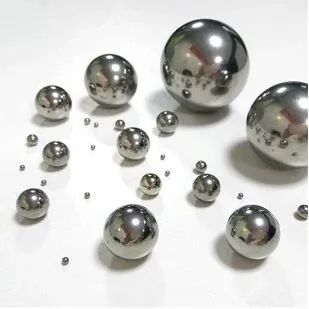
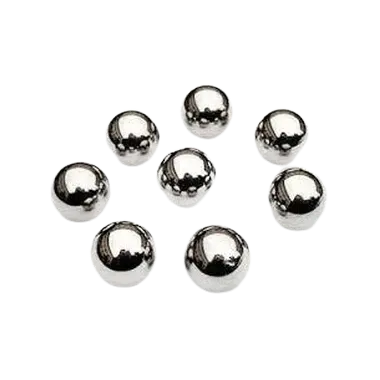
Can Steel Balls Rust?
The short answer is yes, steel balls can rust. Since steel is an alloy primarily composed of iron, it is susceptible to the same oxidation process that causes rust. However, not all steel balls rust at the same rate, and some types of steel are more resistant to rust than others.
Factors Affecting Rusting of Steel Balls
Several factors can influence the rusting process of steel balls:
1. Type of Steel
- Carbon Steel Balls: Carbon steel is one of the most commonly used types of steel for manufacturing steel balls. It contains a relatively high percentage of carbon, which gives it strength but also makes it more prone to rusting. Carbon steel balls are often used in applications where cost is a major factor, but they require proper protection to prevent rust.
- Stainless Steel Balls: Stainless Steel Ball are more resistant to rust due to the presence of chromium. Chromium forms a thin, protective layer of chromium oxide on the surface of the steel, which prevents oxygen and water from reaching the iron underneath. This layer is self-healing, meaning that if it is damaged, it can reform as long as there is enough chromium present. Stainless steel balls are commonly used in applications where corrosion resistance is crucial, such as in the food and beverage industry or in marine environments.
2. Environmental Conditions
- Humidity: High humidity levels provide the moisture necessary for the rusting process to occur. In environments with high humidity, such as coastal areas or unventilated storage facilities, steel balls are more likely to rust.
- Temperature: Higher temperatures can accelerate the rusting process. Chemical reactions generally occur more quickly at higher temperatures, so steel balls exposed to elevated temperatures are more prone to rusting.
- Exposure to Chemicals: Certain chemicals, such as acids, salts, and alkalis, can accelerate the rusting of steel balls. For example, steel balls used in industrial processes where they come into contact with acidic or alkaline solutions are at a higher risk of rusting.
3. Surface Finish
The surface finish of steel balls can also affect their rust resistance. A smooth, polished surface is less likely to trap moisture and dirt, which can reduce the risk of rust. On the other hand, a rough or porous surface can provide more sites for moisture to accumulate, increasing the likelihood of rusting.
Preventing Rust on Steel Balls
As a steel ball supplier, I understand the importance of providing customers with rust-resistant products. Here are some methods to prevent rust on steel balls:
1. Coatings
- Paint or Powder Coating: Applying a layer of paint or powder coating to the surface of the steel balls can provide a physical barrier between the steel and the environment. This can prevent oxygen and water from reaching the steel, thus preventing rust.
- Galvanizing: Galvanizing is a process of coating steel with a layer of zinc. Zinc is more reactive than iron, so it corrodes first, protecting the underlying steel. Galvanized steel balls are commonly used in outdoor applications where they are exposed to the elements.
2. Storage Conditions
- Dry Storage: Storing steel balls in a dry, well-ventilated area can significantly reduce the risk of rust. If possible, store the balls in a climate-controlled environment with low humidity levels.
- Proper Packaging: Packaging steel balls in moisture-resistant materials, such as plastic bags or sealed containers, can also help prevent rust. Adding desiccants to the packaging can absorb any moisture that may be present.
3. Regular Maintenance
- Cleaning: Regularly cleaning steel balls can remove any dirt, debris, or contaminants that may contribute to rusting. Use a mild detergent and water to clean the balls, and dry them thoroughly after cleaning.
- Lubrication: Applying a thin layer of lubricant to the surface of the steel balls can provide an additional layer of protection against rust. Lubricants can also reduce friction and wear, extending the lifespan of the balls.
Applications of Rust-Resistant Steel Balls
Rust-resistant steel balls have a wide range of applications in various industries:
1. Automotive Industry
In the automotive industry, Ball Bearing Balls are used in engines, transmissions, and suspension systems. Rust-resistant steel balls are essential in these applications to ensure the smooth operation and longevity of the components.
2. Food and Beverage Industry
Stainless steel balls are commonly used in the food and beverage industry due to their corrosion resistance and hygienic properties. They are used in equipment such as mixers, pumps, and valves, where they come into contact with food products.
3. Marine Industry
In the marine industry, steel balls are exposed to harsh environmental conditions, including saltwater and high humidity. Rust-resistant steel balls, such as stainless steel or galvanized steel balls, are used in marine equipment, such as ship engines and steering systems, to prevent corrosion.
Conclusion
In conclusion, while steel balls can rust, the risk of rusting can be minimized by choosing the right type of steel, controlling environmental conditions, and implementing proper prevention measures. As a steel ball supplier, I am committed to providing high-quality, rust-resistant steel balls to meet the diverse needs of my customers. Whether you need Metal Ball for automotive applications, stainless steel balls for the food industry, or ball bearing balls for industrial machinery, I can offer you the right solution.
If you are interested in purchasing steel balls or have any questions about rust prevention, please feel free to contact me for a consultation. I look forward to discussing your specific requirements and providing you with the best products and services.
References
- Callister, W. D., & Rethwisch, D. G. (2017). Materials Science and Engineering: An Introduction. Wiley.
- Ashby, M. F., & Jones, D. R. H. (2012). Engineering Materials 1: An Introduction to Properties, Applications, and Design. Butterworth-Heinemann.