
Steel balls have long been recognized for their durability, precision, and versatility in various industrial applications. However, a question that often arises is whether these robust components can also find a place in sports equipment. As a leading steel ball supplier, I've seen firsthand the unique properties of steel balls that could potentially revolutionize the sports industry. In this blog, we'll explore the feasibility and benefits of using steel balls in sports equipment.
The Properties of Steel Balls
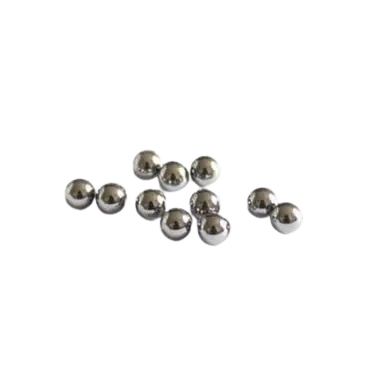
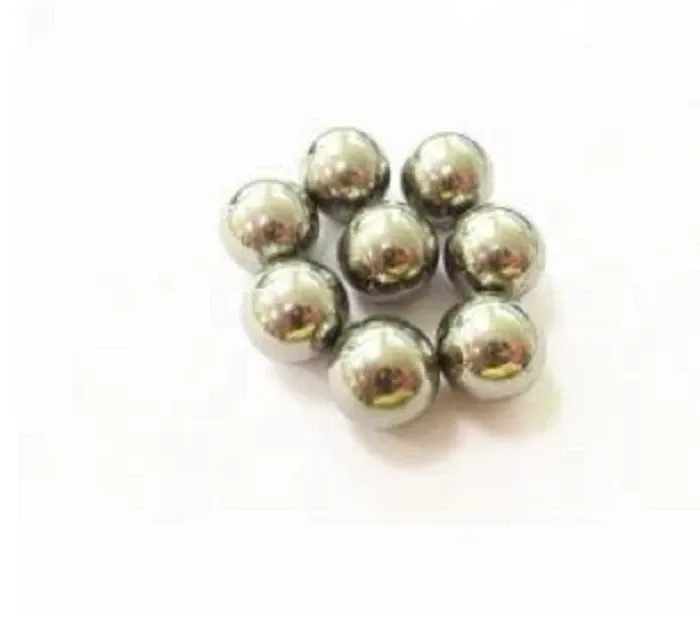
Steel balls are known for their high hardness, excellent wear resistance, and dimensional stability. These properties are a result of the manufacturing process, which involves precise heat treatment and machining. For instance, Din 5401 Steel Ball is produced according to strict standards, ensuring consistent quality and performance. This type of steel ball can withstand high pressure and friction, making it suitable for applications where durability is crucial.
Chromium steel balls, such as Chorme Steel Ball, offer enhanced corrosion resistance in addition to their hardness. This makes them ideal for sports equipment that may be exposed to moisture or harsh environmental conditions. Meanwhile, 316 Stainless Steel Balls are known for their excellent rust resistance and are often used in applications where hygiene is a concern, such as in water sports equipment.
Potential Applications in Sports Equipment
Golf
In golf, the precision and consistency of equipment are paramount. Steel balls could be used in the construction of golf club heads to improve weight distribution and balance. By incorporating steel balls of different sizes and weights, club manufacturers can fine-tune the performance of each club to suit the needs of individual players. Additionally, the high density of steel balls allows for a more compact design, which can enhance the aerodynamics of the club head and increase swing speed.
Bowling
Bowling balls are typically made of a combination of materials, including plastic, resin, and urethane. However, the addition of steel balls could provide several advantages. Steel balls can be strategically placed within the core of the bowling ball to adjust its center of gravity and increase its hook potential. This allows bowlers to have more control over the ball's trajectory and achieve better pin action. Moreover, the durability of steel balls ensures that the bowling ball maintains its performance over time, even with repeated use.
Cycling
In cycling, steel balls can be used in the bearings of various components, such as the bottom bracket, headset, and hubs. The smooth rolling action of steel balls reduces friction, which translates to more efficient power transfer and a smoother ride. Additionally, the high load-bearing capacity of steel balls allows them to withstand the forces generated during cycling, ensuring long-lasting performance. By using high-quality steel balls in these critical components, cyclists can enjoy a more reliable and enjoyable riding experience.
Water Sports
For water sports equipment, such as kayaks, paddleboards, and diving gear, the corrosion resistance of steel balls is a significant advantage. Steel balls can be used in the hinges, locks, and other moving parts of these equipment to ensure smooth operation and prevent rusting. In addition, the weight of steel balls can be used to add stability to the equipment, making it easier to control in the water.
Challenges and Considerations
While the use of steel balls in sports equipment offers many potential benefits, there are also some challenges and considerations that need to be addressed. One of the main challenges is the weight of steel balls. In some sports, such as track and field or gymnastics, where lightweight equipment is essential, the addition of steel balls may not be practical. However, in other sports, such as golf and bowling, the weight of steel balls can be used to advantage.
Another consideration is the cost. Steel balls can be more expensive than other materials, such as plastic or rubber. This may make the use of steel balls in sports equipment less cost-effective, especially for mass-produced items. However, for high-end or custom-made sports equipment, the benefits of using steel balls may outweigh the additional cost.
Finally, the safety of using steel balls in sports equipment needs to be carefully evaluated. Steel balls are hard and can cause injury if they come into contact with the body. Therefore, appropriate safety measures, such as protective covers and guards, need to be in place to prevent accidents.
Conclusion
In conclusion, steel balls have the potential to play a significant role in the development of sports equipment. Their unique properties, such as high hardness, wear resistance, and corrosion resistance, make them suitable for a wide range of applications in various sports. While there are some challenges and considerations that need to be addressed, the benefits of using steel balls in sports equipment are undeniable.
As a steel ball supplier, I am committed to providing high-quality steel balls that meet the specific needs of the sports industry. If you are interested in exploring the use of steel balls in your sports equipment, I encourage you to contact me for more information. We can work together to find the best solutions for your products and help you take your sports equipment to the next level.
References
- "Materials Science and Engineering: An Introduction" by William D. Callister Jr. and David G. Rethwisch
- "Handbook of Bearing Design and Application" by J. Anthony Bryant
- "Sports Equipment Design and Technology" by John V. A. Finegan